
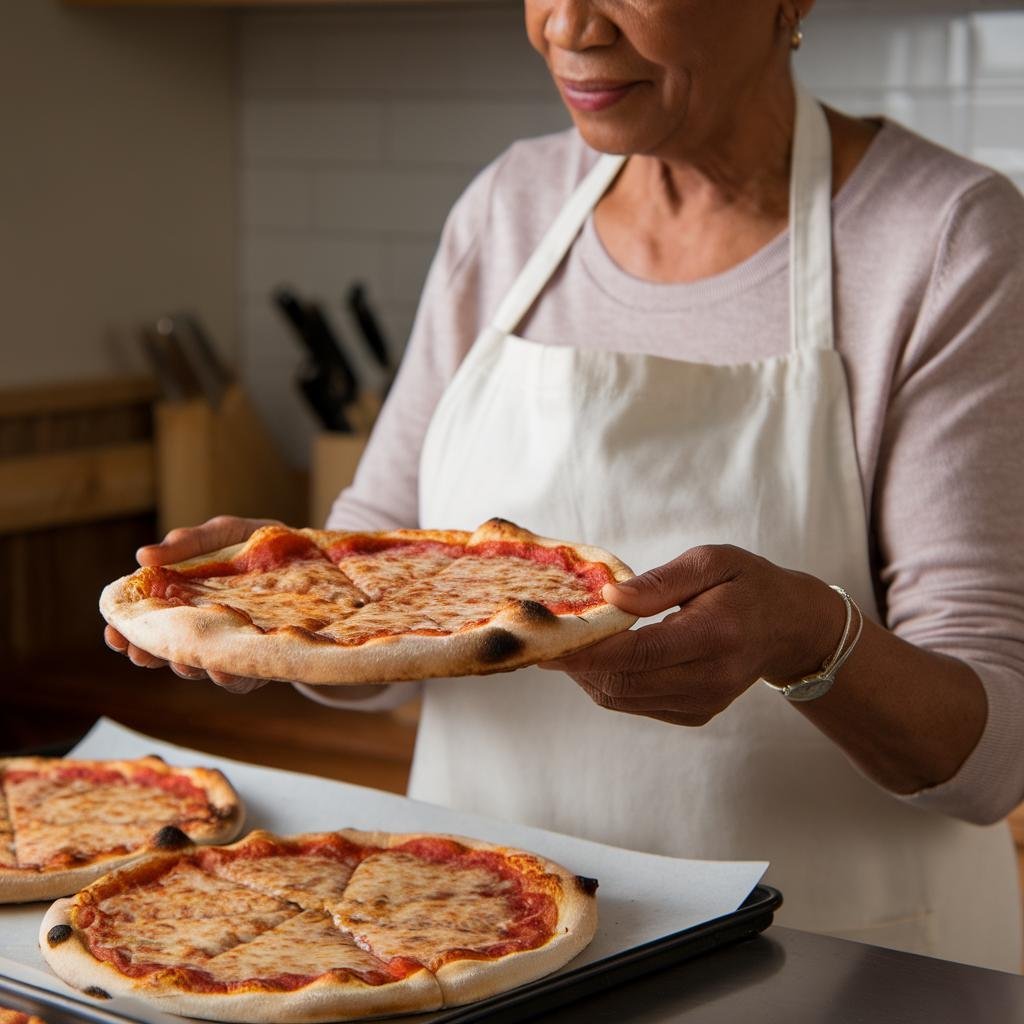
Pizza Baking Techniques can transform your homemade pizza from ordinary to extraordinary with the right methods and attention to detail. Learning proper baking techniques helps you achieve that perfect balance of crispy crust, melted cheese, and well-cooked toppings every time.
Whether you’re using a conventional oven, pizza stone, or specialized pizza oven, mastering these fundamental techniques will give you consistent results. The key lies in understanding temperature control, timing, and proper preparation methods that professional pizzaiolos use daily.
TL;DR
- Preheat your oven to its highest setting (usually 500-550°F) for at least 30 minutes before baking pizza.
- Use a pizza stone or steel preheated for 45-60 minutes to create a crispy bottom crust.
- Bake thin crust pizzas for 8-12 minutes and thick crust pizzas for 12-18 minutes depending on thickness.
- Place pizza on the bottom rack or directly on a preheated stone for maximum bottom heat exposure.
Pizza Baking Techniques That Work
The foundation of great pizza starts with proper oven preparation and temperature management. Most home ovens can reach temperatures between 500-550°F, which works well for pizza when you apply the right techniques.
Professional pizza ovens operate at much higher temperatures, but you can still achieve excellent results at home by maximizing heat retention and distribution. Understanding your oven’s hot spots and heat patterns helps you position your pizza for even cooking.
Essential Temperature and Timing Guidelines
Temperature control determines the difference between soggy, undercooked pizza and perfectly crispy results. Start by setting your oven to its maximum temperature and allowing plenty of time for preheating.
Different pizza styles require specific timing adjustments based on crust thickness and topping density. Here’s how to time your bakes for consistent results:
- Thin crust pizza – 8-12 minutes at maximum temperature for crispy results.
- Medium thickness – 12-15 minutes with occasional rotation for even browning.
- Thick crust pizza – 15-20 minutes, starting at high heat then reducing if needed.
- Stuffed or deep dish – 20-25 minutes with foil covering if tops brown too quickly.
Oven Rack Positioning
Pizza placement within your oven affects cooking results more than most people realize. The bottom rack position exposes your pizza to maximum bottom heat, creating that desired crispy crust.
For pizzas with heavy toppings or thick crusts, consider starting on the bottom rack then moving to the middle rack halfway through baking. This prevents bottom burning while ensuring thorough cooking.
Pizza Stone and Steel Techniques
Pizza stones and steels create superior crust texture by absorbing and radiating intense heat directly to your pizza bottom. These tools require proper preheating to reach their full potential.
Place your stone or steel in the oven during the initial preheating phase, allowing 45-60 minutes for complete heat saturation. A properly heated stone should maintain temperature even when cold dough is placed on top.
- Pizza stones – Preheat for 45-60 minutes, dust lightly with cornmeal or flour.
- Pizza steels – Heat faster than stones, require 30-45 minute preheat time.
- Cast iron pans – Excellent heat retention, perfect for deep dish styles.
- Inverted baking sheets – Budget option that still improves bottom crust texture.
Transferring Pizza Safely
Getting your prepared pizza onto a hot stone or steel requires practice and the right tools. A pizza peel dusted with cornmeal or semolina flour prevents sticking and allows smooth transfers.
Work quickly but carefully when transferring, as hesitation often leads to stretched dough or topping displacement. Practice the transfer motion with an unheated surface until the movement feels natural.
Professional Transfer Tip
Shake your pizza peel gently before transferring – if the dough moves freely, it won’t stick. Add more flour or cornmeal if it doesn’t slide easily.
Crust Preparation Methods
Proper dough handling before baking significantly impacts your final results. Room temperature dough shapes more easily and bakes more evenly than cold dough straight from the refrigerator.
Allow refrigerated dough to rest at room temperature for 30-60 minutes before shaping. This relaxes the gluten and prevents the dough from springing back during stretching.
- Pre-shaping – Form dough balls 2 hours before use for easier stretching.
- Flour dusting – Use just enough to prevent sticking without drying the dough.
- Edge crimping – Create a slight rim to contain sauce and toppings.
- Dimpling – Gently press out air bubbles while maintaining dough structure.
Sauce and Topping Distribution
Even sauce application and balanced topping distribution prevent soggy spots and ensure uniform cooking. Less is often more when it comes to pizza toppings, as overcrowding leads to longer cooking times and uneven results.
Spread sauce leaving a 1-inch border around edges, then distribute cheese evenly before adding other toppings. Pre-cook watery vegetables like mushrooms or bell peppers to prevent excess moisture during baking.
Moisture Management
Controlling moisture content in your toppings prevents soggy crusts and promotes proper browning. Pat dry fresh mozzarella, drain canned ingredients, and avoid overloading with sauce.
For particularly wet toppings, consider par-baking the crust for 3-4 minutes before adding sauce and toppings. This creates a moisture barrier that keeps the bottom crispy.
Advanced Baking Methods
Professional techniques can elevate your home pizza game when applied correctly. These methods require practice but deliver restaurant-quality results.
The par-baking method involves partially cooking the crust before adding toppings, which works especially well for thick crusts or heavily topped pizzas. Homemade pizza dough benefits from this technique when you want guaranteed crispy bottoms.
- Par-bake preparation. Bake shaped dough for 3-5 minutes until set but not browned.
- Cool slightly. Remove from oven and let cool for 2-3 minutes before topping.
- Add toppings. Apply sauce, cheese, and toppings to the par-baked crust.
- Final bake. Return to oven for remaining cooking time until cheese bubbles.
Broiler Finishing
A quick broiler blast during the final 1-2 minutes adds attractive browning to cheese and toppings. Watch carefully during broiling as the high heat can quickly go from perfect to burnt.
This technique works best when your pizza is almost fully cooked and just needs surface browning. Keep the oven door slightly open and stay nearby to monitor progress.
Common Baking Problems and Solutions
Even experienced home cooks encounter pizza baking challenges from time to time. Understanding common issues and their solutions saves time and prevents disappointing results.
Soggy bottoms, burnt edges, and unevenly cooked toppings are the most frequent problems home pizza makers face. Most of these issues stem from temperature, timing, or preparation mistakes that are easily corrected.
- Soggy bottom crust – Increase oven temperature, use a pizza stone, or par-bake the crust.
- Burnt edges – Lower rack position or reduce temperature slightly for thick crusts.
- Undercooked center – Ensure even sauce distribution and avoid overloading toppings.
- Tough crust – Check dough temperature and allow proper resting time before shaping.
Specialty Oven Techniques
Different oven types require modified approaches to achieve optimal results. Gas ovens, electric ovens, and convection ovens each have characteristics that affect pizza baking.
Convection ovens circulate hot air, which can dry out pizza tops while promoting bottom browning. Reduce temperature by 25°F and decrease cooking time by 2-3 minutes when using convection settings.
Wood-Fired and Outdoor Oven Methods
Outdoor pizza ovens and wood-fired units operate at much higher temperatures than conventional ovens. These ovens can reach 800-900°F, requiring different timing and techniques.
Pizza cooks in 90 seconds to 3 minutes in properly heated wood-fired ovens. Mastering pizza oven cooking requires understanding heat zones and rotation timing for even cooking in these high-temperature environments.
Articles You May Like
Frequently Asked Questions
What temperature should I bake pizza at in a home oven?
Bake pizza at your oven’s highest setting, typically 500-550°F, for best results with crispy crusts and properly melted cheese.
How long should I preheat my pizza stone?
Preheat pizza stones for 45-60 minutes to ensure complete heat saturation and optimal crust browning.
Why does my pizza crust get soggy?
Soggy crusts result from too much sauce, wet toppings, insufficient oven temperature, or lack of proper bottom heat from a pizza stone.
Should I use the top or bottom oven rack for pizza?
Use the bottom rack position to maximize bottom heat exposure and create crispy crusts, especially when not using a pizza stone.
Can I bake pizza directly on the oven rack?
Never bake pizza directly on oven racks as this causes dripping and uneven cooking – always use a pan, stone, or baking sheet.
Final Thoughts
Pizza Baking Techniques require practice and patience, but the results justify the effort when you bite into perfectly crispy, evenly cooked homemade pizza. Start with basic temperature and timing guidelines, then experiment with advanced methods as your confidence grows.
Focus on mastering one technique at a time rather than trying everything at once. Pizza making tips become second nature with consistent practice and attention to detail.

Ryan Conlon is a BBQ enthusiast and inspired chef on a journey through the smoky, savory world of outdoor cooking. Hailing from the heart of the Midwest, Ryan’s passion for grilling ignited during his early years, where family gatherings often revolved around the sizzle of the grill and the aroma of seasoned meats.