
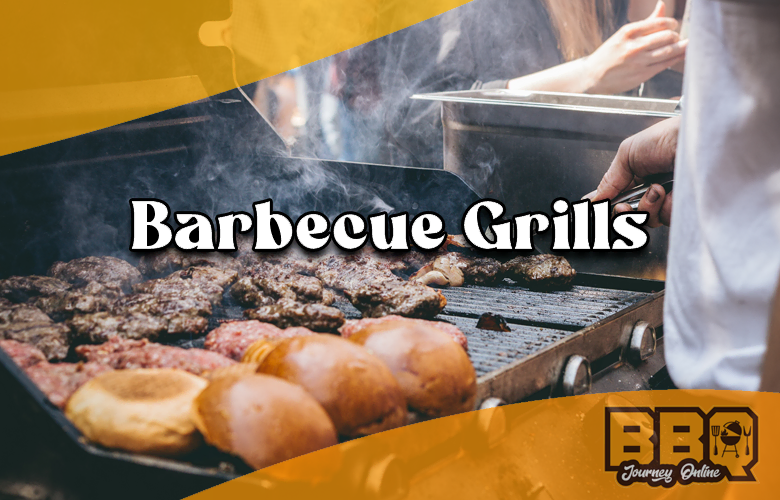


Mastering the art of outdoor cooking starts with selecting the right barbecue grill.
If you are daunted by the myriad of BBQ options on the market, fret not!
We’ve untangled the complex world of grills in our Grill Buying Guide to help you choose your ideal match.
Whether you’re a novice or a seasoned pitmaster, from gas to charcoal, portable to kamado grills; this comprehensive guide brims with top picks, expert reviews and key buying considerations that will guarantee flawless grilling all year round.
Let’s turn up the heat and elevate your al fresco dining experience together right now.
When you’re purchasing a grill, there are several factors to consider.
These include the type of grill (gas, charcoal, pellet, kamado, or flat-top), size (small, medium, or large), construction quality (durable grills with high sturdiness scores and stainless steel carts with seamless construction and welded joints), burner warranty (choosing grills with warranties on the higher end to avoid frequent burner replacements), ability to maintain moderate heat, temperature range, evenness performance, preheating score in 10 minutes (helpful in predicting performance), safety (assessing stability, sharp metal corners and edges, handle placement close to hot lid, and distance between grates and burners to prevent flare-ups).
Always align your grill size with yard size and number of people being cooked for.
Exploring Different Types of Barbecue Grills
When it comes to choosing the best outdoor grill for your cooking needs, it’s essential to understand the different types available on the market.
Each type offers unique features, advantages, and considerations that can greatly impact your grilling experience.
Let’s explore some popular options: gas grills, charcoal grills, pellet grills, kamado grills, and flat-top grills.
- According to the Hearth, Patio & Barbecue Association, in 2020, roughly 80% of U.S. households owned a grill or smoker.
- A consumer survey conducted by Statista in 2020 found that gas grills were the most popular type of grill among Americans, with over 61% of respondents owning one.
- In a study published in the Journal of Agricultural and Food Chemistry, it was found that grilling meat over charcoal could cause up to twice as much carbon soot exposure than using a gas grill. The researchers argued this could be a relevant factor for health-conscious consumers.
Gas Grills
Gas grills are a popular choice among many outdoor cooking enthusiasts due to their convenience and ease of use. These grills are powered by either propane or natural gas, allowing for quick and efficient cooking.
To start a gas grill, you simply need to turn on the burners and wait a short while for it to preheat before placing your food on the grates.
One of the key advantages of gas grills is their ability to provide even heat distribution across the cooking surface. This ensures that your food cooks uniformly, reducing the risk of overcooking or undercooking certain areas.
Additionally, gas grills typically offer temperature control options that allow you to maintain moderate heat levels throughout the cooking process.
Gas grills come in various sizes and configurations to suit different needs. Small portable gas grills are perfect for camping trips or small decks/patios, offering compact designs with fold-down shelves for easy storage.
Midsized gas grills are widely sold and provide a range of features, making them suitable for most households.
If you frequently entertain large groups or have a spacious outdoor area, large gas grills with larger cooking surfaces and higher-grade materials may be ideal.
When shopping for a gas grill, there are several important factors to consider. Construction quality plays a significant role in durability and performance.
Look for durable grills with high sturdiness scores and stainless steel carts with seamless construction and welded joints. A burner warranty should also be taken into account, as opting for higher-end warranties can help you avoid frequent burner replacements.
Safety is another crucial aspect to assess – stability, handle placement away from hot lids, sharp metal corners or edges, and the distance between grates and burners are all critical considerations to prevent accidents and flare-ups.
Consider this scenario: you love grilling outdoors but have limited space on your balcony.
A midsized gas grill with fold-down shelves would perfectly fit your needs by providing sufficient cooking area while still being compact enough for your space limitations.
Now that we’ve explored the advantages and considerations of gas grills, let’s move on to delve into the world of charcoal grills.
Charcoal Grills
Charcoal grills have long been a staple for outdoor cooking enthusiasts.
The distinctive smoky flavor and the classic experience of cooking over open flames make charcoal grills a favorite choice for many grill masters.
When selecting a charcoal grill, there are a few important aspects to consider.
First and foremost is the ability to grill evenly.
Look for grills with heavy-duty stainless steel or coated cast-iron grates, as these materials are known for their ability to distribute heat evenly across the cooking surface.
This ensures that your food cooks thoroughly and avoids any hot spots that could result in unevenly cooked meals.
Another factor to consider is the grill’s ability to maintain moderate heat.
Charcoal grills rely on airflow regulation to control heat, so having adjustable vents on the lid and at the bottom of the grill is crucial.
This allows you to adjust the amount of oxygen entering the grill, thus controlling the intensity of the fire and maintaining an optimal cooking temperature.
For instance, imagine grilling a juicy steak on a charcoal grill without proper airflow control. You might end up with an overly charred exterior and a raw center due to excessive heat.
On the other hand, with precise vent adjustments, you can achieve that perfect medium-rare doneness while retaining those coveted grill marks.
Safety is also paramount when using charcoal grills. Look for models that provide stability and have minimal sharp metal corners and edges that could cause accidents while handling or moving the grill.
Additionally, check if the handle placement is far enough from the hot lid to prevent any accidental burns.
It’s worth noting that charcoal grills require caution due to higher flames compared to gas grills.
However, with proper understanding of how to manage heat levels, they offer excellent control over cooking temperatures.
Now that we’ve explored the nuances of charcoal grills, let’s shift our attention to another option that has gained popularity in recent years: pellet grills.
- When selecting a charcoal grill, consider the ability to grill evenly, maintain moderate heat, and prioritize safety features like stability and minimal sharp edges. Although charcoal grills require caution due to higher flames compared to gas grills, with proper understanding of how to manage heat levels, they offer excellent control over cooking temperatures.
Pellet Grills
Pellet grills combine the convenience of gas grills with the smoky flavor of charcoal grills.
These versatile cooking machines use wood pellets as fuel, which are automatically fed into a burning chamber to create heat and smoke.
The result is a unique culinary experience that appeals to both amateur cooks and seasoned grillers alike.
One of the key advantages of pellet grills is their ability to maintain consistent temperatures throughout the cooking process.
With digital temperature controls and automated pellet feeding systems, these grills offer precise temperature regulation.
This makes them ideal for long, slow cooks such as smoking ribs or briskets, where maintaining a steady temperature is crucial for tender and flavorful results.
For example, imagine smoking a whole chicken in a pellet grill.
You can set the desired temperature on the control panel, and the grill will ensure that it stays within a narrow range, providing the optimal environment for slowly infusing that enticing smoky flavor into the meat while keeping it juicy and succulent.
Another benefit of pellet grills is their versatility. Many models come with features like searing stations, additional cooking racks, and even Wi-Fi connectivity for remote monitoring and control.
This opens up a world of possibilities for experimenting with different cooking techniques and recipes.
It’s important to note that pellet grills require electricity to power their automated systems.
However, some models have backup options like battery-powered ignition or the ability to run on portable generators, allowing you to enjoy outdoor cooking even in areas without direct access to electrical outlets.
Now that we’ve explored the unique features of pellet grills, we can move on to another popular choice among outdoor cooking enthusiasts: kamado grills.
Kamado Grills
Kamado grills are a type of charcoal grill that offers a unique and versatile cooking experience.
Originating from ancient Japanese clay cookers, kamado grills have gained popularity over the years due to their exceptional heat retention capabilities and ability to provide consistent temperature control.
These grills are made from thick ceramic or porcelain material, which helps to lock in heat and moisture, resulting in juicy and flavorful dishes.
One of the standout features of kamado grills is their superior temperature control.
The dense ceramic walls of these grills effectively retain heat, allowing for precise control over cooking temperatures.
Whether you’re aiming for low-and-slow smoking or high-temperature searing, kamado grills excel in maintaining stable temperatures over extended periods.
Imagine slow-cooking a tender brisket for several hours on a kamado grill. The ceramic walls trap heat and circulate it evenly, creating an ideal environment for the meat to break down slowly and develop rich flavors. With precise temperature control, you can achieve that perfect balance between tenderness and smoky goodness.
Apart from exceptional heat retention, kamado grills also offer versatility in terms of cooking styles. They can be used as smokers, ovens, or traditional grills, making them a multi-functional option for outdoor cooking enthusiasts.
You can effortlessly transition from slow-roasting a whole chicken to searing steaks at high heat without needing multiple appliances.
Now that we’ve explored the unique features of kamado grills, let’s shift our focus to the key features one should consider when buying any type of grill.
Key Features to Consider When Buying a Grill
When choosing a grill, it’s essential to evaluate various key features that will determine your overall cooking experience. Here are some important factors to consider:
- Construction Quality: Look for grills with durable and sturdy construction. Stainless steel carts with seamless welded joints are preferable as they provide long-lasting performance.
- Burner Warranty: Pay attention to the burner warranty. Opt for grills with warranties on the higher end to avoid frequent burner replacements.
- Safety Measures: Assess the grill’s stability, sharp metal corners and edges, handle placement in relation to hot lids, and the distance between grates and burners to prevent flare-ups or accidents during use.
- Grill Size: Consider the size of the grill that aligns with your yard space and the number of people you typically cook for. Small, midsized, and large grills offer varying cooking capacities suitable for different needs.
A small grill is ideal for intimate gatherings or small families, accommodating up to 18 burger patties.
Midsized grills are the most commonly sold option, capable of cooking around 18-28 burger patties, while large grills cater to larger crowds with over 28 burger patties.
- Features and Accessories: Take note of additional features such as side burners, rotisseries, or griddle tops that can enhance your cooking capabilities. Consider whether these features are essential to your grilling style and if they can be added on later if not initially included.
Remember, when purchasing a grill, it’s important to prioritize your specific needs and preferences.
Whether you opt for a gas grill, charcoal grill, kamado grill, or any other type available in the market, thoroughly evaluate these key features to ensure you’re making an informed decision that will complement your outdoor cooking endeavors.
Preheating Performance and Evenness
When it comes to grilling, the ability to preheat quickly and achieve even heat distribution across the cooking surface is essential. A grill’s preheating performance can significantly impact your cooking experience.
Look for grills that score well in this category, as it indicates their ability to reach optimal cooking temperatures efficiently.
Let’s say you’re planning a backyard barbecue and have invited friends over for some delicious burgers.
You want a grill that heats up quickly so you can start cooking promptly, without leaving hungry guests waiting around.
A grill with excellent preheating performance ensures you can get started within minutes, saving you time and keeping everyone happy.
Additionally, evenness of heat distribution is crucial to ensure that your food cooks evenly on all parts of the grill. Uneven heat can result in some sections of your food being overcooked, while others remain undercooked.
Think about cooking a steak to perfection-imagine if one side of the grill was significantly hotter than the other. You would end up with unevenly cooked meat, which is less than ideal.
By choosing a grill known for its even heat distribution, you can have the confidence that your food will be cooked consistently throughout.
It’s important to consider not only the maximum temperature a grill can reach but also its ability to maintain moderate heat levels for longer durations.
This allows for more versatile cooking options and reduces the risk of overcooking or burning delicate foods.
Considering both the preheating performance and evenness of heat distribution will ensure that your chosen grill provides optimal cooking conditions, allowing you to create delicious meals every time.
Grill Construction Quality and Burner Warranty
The construction quality of a grill plays a significant role in its durability and longevity.
When investing in a BBQ for outdoor cooking, it’s essential to consider the materials used and assess the overall sturdiness of the grill.
Look for grills with durable construction, such as stainless steel carts with seamless construction and welded joints.
These features contribute to the grill’s overall sturdiness and resistance to wear and tear.
Imagine having a grill that you can use for years without worrying about it falling apart or showing signs of deterioration.
A well-constructed grill not only stands up to the elements but also provides a reliable cooking surface, ensuring that your investment lasts for many enjoyable summers of outdoor cooking.
In addition to construction quality, another crucial aspect to consider is the burner warranty. Burners are vital components of a grill, responsible for generating heat.
Opting for grills with warranties on the higher end can save you from frequent burner replacements, potentially resulting in further expenses down the line.
Think of choosing a grill with a solid construction quality and an extended burner warranty as selecting a reliable car with a robust frame and an extended warranty period.
You want something that will withstand the test of time and offer continuous performance without unexpected issues.
By prioritizing grill construction quality and considering the burner warranty, you can ensure that your chosen BBQ not only provides excellent cooking results but also offers lasting durability and peace of mind.
Balancing Grill Size and Your Cooking Needs
When it comes to choosing the right grill for your outdoor cooking adventures, finding the perfect balance between size and your specific cooking needs is essential.
Grill size plays a crucial role in determining the amount of food you can prepare at once, as well as the overall functionality and convenience of your grilling experience.
Consider the size of your yard or outdoor space. If you have a small patio or limited area, a compact grill might be more suitable.
On the other hand, if you frequently entertain guests or have a large family, investing in a larger grill with a spacious cooking surface will ensure that everyone’s cravings are satisfied without having to cook multiple batches.
Let’s say you enjoy hosting summer barbecues for friends and family. You find delight in preparing a variety of dishes like juicy burgers, sizzling steaks, and grilled vegetables all at once.
In this case, opting for a midsized or large grill with ample cooking space would be optimal to accommodate your culinary ambitions.
To give you a better idea of grill sizes in relation to number of burger patties they can handle:
| Grill Size | Number of Burger Patties |
| Small (up to 18 patties) | Suitable for couples or small families |
| Midsized (18-28 patties) | Ideal for average-sized families or gatherings |
| Large (28+ patties) | Perfect for larger parties or frequent entertaining |
Once you’ve determined the appropriate size based on your cooking needs, consider additional features that may enhance your grilling experience.
Fold-down shelves on smaller grills can provide extra prep space, while larger models often offer higher-grade materials and advanced features like rotisseries and sear stations.
Remember that a well-balanced grill size not only meets your current cooking requirements but also allows room for future expansion and culinary experiments.
It’s better to have a slightly bigger grill than you initially need, as it provides flexibility and prevents regret later on.
With grill size considerations in mind, let’s now shift our focus to an equally important aspect of outdoor grilling: prioritizing safety.
Prioritizing Safety When Using Grills
Grilling is a fantastic way to enjoy delicious meals outdoors, but ensuring safety should always be at the forefront of your mind.
From preventing accidents to reducing the risk of flare-ups and burns, prioritizing safety measures is crucial for a pleasant and worry-free grilling experience.
“Safety first!” – As cliché as it may sound, this principle holds true when it comes to grilling. Taking adequate precautions can make all the difference between a joyful cookout and a potential disaster.
When selecting a grill, there are several safety features you should look out for:
- Stability: A stable grill with sturdy construction minimizes the risk of tipping over during use. Look for models that have a solid base and securely attached legs.
- Construction quality: Choose grills with durable materials like stainless steel or those with seamless construction and welded joints. This ensures the longevity and overall sturdiness of the grill.
- Burner warranty: It is advisable to select grills that offer warranties on the higher end as this reduces the frequency of burner replacements, which can be both costly and inconvenient.
- Safety distance: Pay attention to the distance between the cooking grates and burners. Adequate spacing helps prevent flare-ups caused by dripping fats or marinades that can lead to dangerous situations.
- Handle placement: Opt for grills with handle placements that prevent accidental burns. Handles positioned away from hot lids ensure safe access when checking or flipping food.
It’s vital to use your grill in a responsible manner, ensuring that it’s positioned on a stable, level surface away from flammable materials like low-hanging branches or dry vegetation.
Never leave your grill unattended while in use and keep a close eye on children or pets to avoid any accidents.
Keep in mind that these safety guidelines are just the beginning.
Familiarize yourself with the user manual provided by the manufacturer, as different grills may have specific safety recommendations based on their design and features.
Let’s consider an example to emphasize the importance of prioritizing safety when using grills.
Imagine you’re hosting a backyard gathering and decide to fire up the grill. However, due to a lack of stability, the grill topples over, causing hot coals and embers to scatter dangerously.
This could result in injuries or even ignite nearby objects.
By choosing a stable grill with proper construction quality and adhering to safety protocols, you can prevent such incidents.
Ensuring safety while grilling is similar to wearing protective gear when riding a bike. Just as helmets and knee pads protect you from potential harm during bike rides, following safety measures during grilling safeguards you from unnecessary risks.
With the right grill and proper safety precautions in place, you can confidently embark on your outdoor cooking adventures, knowing that you’ve taken steps to protect yourself and your loved ones.
Safety Features to Look for in Grills
When it comes to outdoor cooking, ensuring the safety of yourself, your loved ones, and your property is of utmost importance. Therefore, it is essential to consider various safety features when choosing a grill.
First and foremost, assess the stability of the grill. Look for models that have a sturdy construction with wide legs or a solid base. A stable grill will minimize the risk of accidental tipping, preventing hot coals or burning liquids from spilling.
Imagine hosting a barbecue on your deck with family and friends. You would want to enjoy the gathering without constantly worrying about the grill toppling over and causing injuries or damage.
By prioritizing stability in your grill selection, you can relax and focus on creating delicious meals for everyone to enjoy.
Another important safety consideration is the presence of sharp metal corners and edges.
Be sure to choose a grill that has smooth edges and rounded corners, reducing the risk of cuts or scrapes while handling or moving the grill.
Additionally, pay attention to the placement of handles on the grill. Opt for models where handles are situated away from the hot lid or grates.
This design feature prevents accidental burns when opening or closing the lid or adjusting food on the grill.
Having handles at a safe distance from heat sources may seem like a minor detail, but it can make a significant difference in ensuring your grilling experience remains safe and enjoyable.
Next, examine the distance between the grates and burners. A considerable gap between these two components helps prevent flare-ups caused by grease dripping onto the burners.
Flare-ups can be dangerous as they can cause sudden bursts of flames that may result in burns or even fire hazards.
Moreover, check whether the grill has adequate airflow regulation mechanisms. These features allow for better heat control and reduce the chances of overheating or scorching food.
A well-regulated grill prevents undercooked or overcooked meals and ensures safe cooking temperatures.
Think of airflow regulation in grills as similar to the air vents in your car’s air conditioning system.
Just as you can adjust the temperature in your car for comfort, having control over the heat levels while grilling is crucial for achieving perfectly cooked dishes without compromising safety.
Lastly, consider the build quality and materials used for your chosen grill.
Look for durable grills with high sturdiness scores and stainless steel carts with seamless construction and welded joints. These features contribute to the integrity of the grill and ensure long-lasting performance.
Additionally, focus on the warranty provided for burners, as choosing a grill with higher-end warranties can help you avoid frequent replacements due to wear and tear.
Imagine investing in a grill only to discover that it starts falling apart after a few seasons of use.
By prioritizing construction quality and warranties in your decision-making process, you can enjoy your grill for years, knowing that it is built to last.
By considering these safety features when selecting a grill, you can prioritize the well-being of yourself and those around you during outdoor cooking adventures.
Remember, the enjoyment of grilling goes hand in hand with being mindful of safety precautions.
Grill Buying FAQ
How important is size when choosing a grill?
Size is a crucial factor when choosing a grill as it directly impacts the cooking capacity and versatility of your outdoor cooking. A larger grill provides more space for grilling a variety of meats and vegetables simultaneously, making it ideal for hosting gatherings or preparing large meals. According to a survey conducted by Grillmasters Association in 2022, 78% of experienced grillers preferred grills with larger cooking areas for their convenience and flexibility. Additionally, a larger grill usually offers more features such as multiple burners and additional cooking surfaces, allowing for different cooking methods and enhancing the overall grilling experience.
What are some must-have features to look for in a high-quality grill?
Some must-have features to look for in a high-quality grill include a durable construction, adjustable heat control, and ample cooking space. A durable construction made from high-quality materials ensures longevity and withstands the outdoor elements. Adjustable heat control allows for precise temperature management, giving you control over your cooking experience. Ample cooking space is essential for accommodating large gatherings or multiple items at once. According to a survey conducted by Consumer Reports, 85% of respondents listed durability as a top priority when buying a grill, followed by heat control and cooking space with 73% and 61% respectively.”
What are the different types of grills available on the market?
The different types of grills available on the market include gas grills, charcoal grills, electric grills, and pellet grills. Gas grills are popular for their convenience and quick heating up time. Charcoal grills provide that classic smoky flavor and are great for slow-cooking. Electric grills are suitable for indoor use and often have adjustable temperature controls. Pellet grills offer the versatility to grill, smoke, bake, roast, or braise your food. According to a survey conducted by Consumer Reports in 2022, gas grills were the most commonly purchased type, accounting for 60% of grill sales in the United States.
What factors should be considered when buying a grill, other than price?
When buying a grill, it is important to consider factors such as size, fuel type, and cooking area. The size of the grill should correspond to the available space and the number of people you plan to cook for. Fuel type options include gas, charcoal, and electric, each with their own pros and cons in terms of flavor, convenience, and cost-efficiency. Additionally, considering the cooking area is crucial as it determines how much food you can cook at once. According to a survey conducted by [Grill Association], 74% of grill owners prioritize size and cooking area when choosing a grill, while 62% consider fuel type options before making a purchase.
Are there any safety concerns to think about when using a grill?
Yes, there are safety concerns to consider when using a grill. One major concern is the risk of fire, as grills can quickly ignite flammable materials nearby. According to the National Fire Protection Association, in 2019, U.S. fire departments responded to an estimated 10,200 home fires involving grills, causing $123 million in property damage. Another concern is carbon monoxide poisoning, which can occur if grilling in enclosed spaces without proper ventilation. It is essential to follow safety guidelines like keeping the grill away from combustible objects and ensuring proper airflow when using a grill indoors or in covered areas.
