
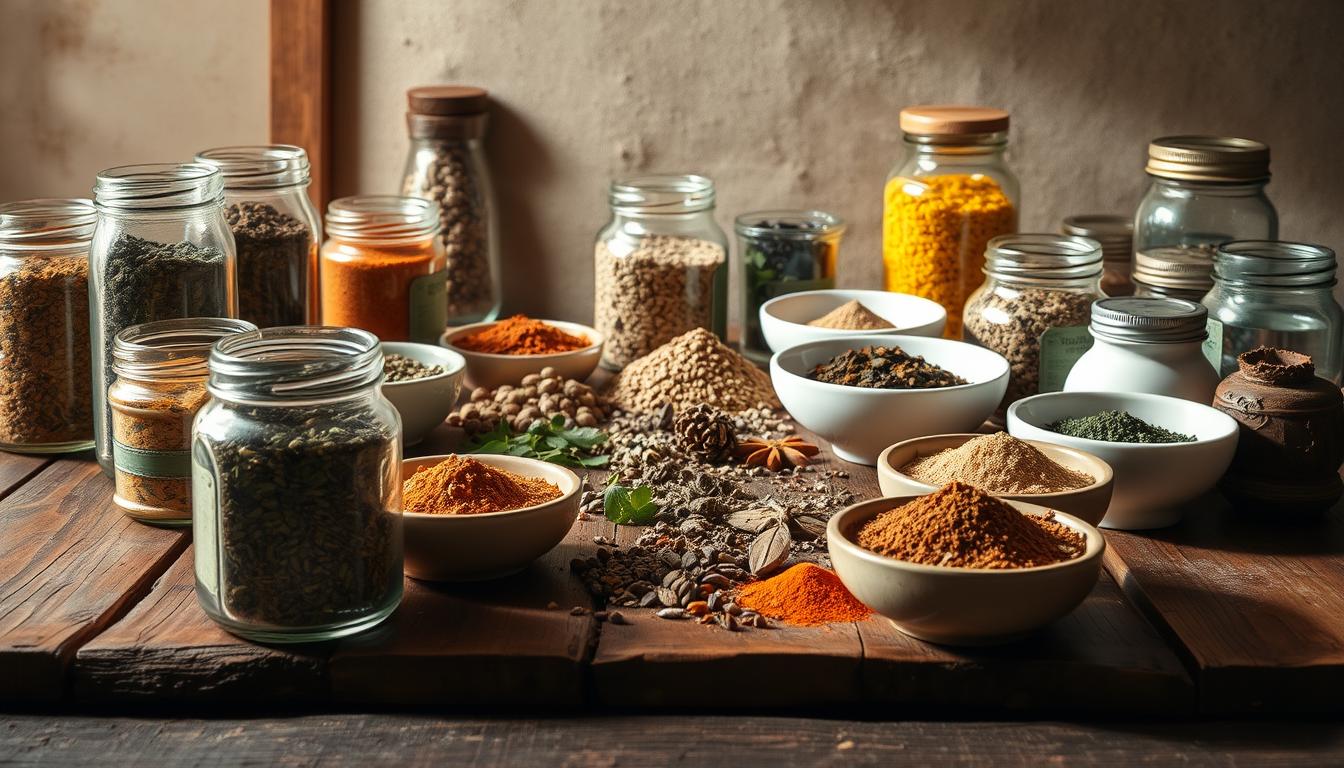
Seasoning Rubs Diy Blend Recipes For Smoker Grill open up endless possibilities for creating signature flavors that make your barbecue stand out from the crowd. These homemade blends cost a fraction of store-bought options while giving you complete control over every ingredient and flavor note.
The best part about making your own rubs is experimenting with different spice combinations until you find your perfect signature blend. Once you master a few basic techniques, you’ll never want to go back to generic store-bought seasonings again.
TL;DR
- Basic rub ratios use 2 parts salt, 2 parts brown sugar, and 1 part each of paprika, garlic powder, and black pepper.
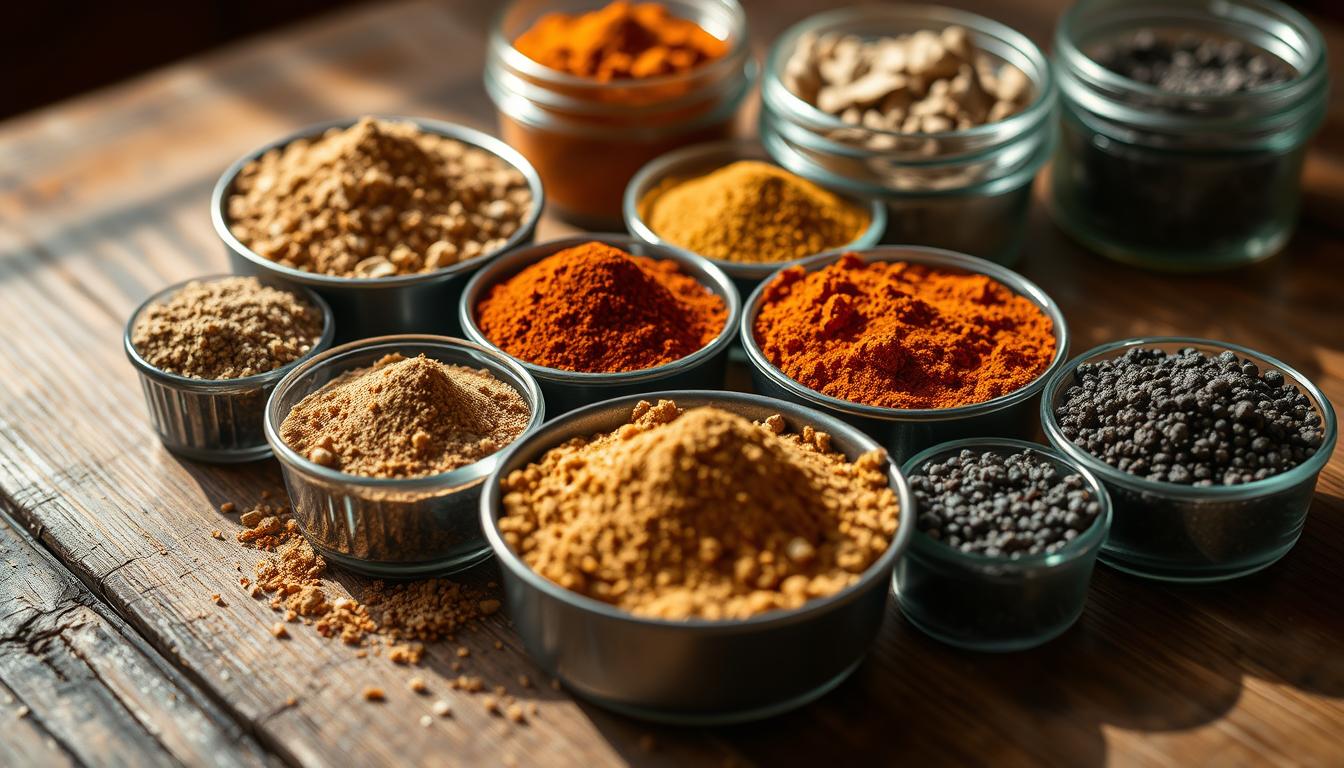
- Toast whole spices for 2-3 minutes in a dry pan before grinding to intensify flavors by up to 40%.
- Store homemade rubs in airtight containers for up to 12 months at room temperature.
- Apply rubs 30 minutes to 24 hours before cooking – longer times allow deeper flavor penetration.
Seasoning Rubs Diy Blend Recipes For Smoker Grill
Creating your own seasoning blends starts with understanding the basic building blocks that make rubs work. Every great rub needs a foundation of salt and sugar, which help draw out moisture while adding flavor depth.
The magic happens when you add aromatic spices that complement your protein choice. Beef loves bold flavors like cumin and chili powder, while pork pairs beautifully with fennel and brown sugar sweetness.
Essential Base Ingredients
These core ingredients form the foundation of almost every successful rub blend:
- Kosher salt – draws out moisture and enhances all other flavors
- Brown sugar – adds sweetness and helps create a beautiful crust
- Paprika – provides color and mild pepper flavor
- Garlic powder – adds savory depth without burning like fresh garlic
- Black pepper – brings heat and complexity
All-Purpose BBQ Rub Recipe
This versatile blend works perfectly on any protein you throw on the smoker or grill. The balanced sweetness and spice make it foolproof for beginners while still delivering restaurant-quality results.
Mix these ingredients in a large bowl and store in an airtight container:
- ¼ cup brown sugar – creates caramelization and balances heat
- 2 tablespoons kosher salt – enhances flavor and draws out moisture
- 2 tablespoons paprika – adds color and mild sweetness
- 1 tablespoon garlic powder – provides savory backbone
- 1 tablespoon onion powder – adds depth without overpowering
- 1 tablespoon chili powder – brings warmth and complexity
- 1 teaspoon black pepper – adds finishing heat
- 1 teaspoon cumin – contributes earthy, smoky notes
Beef-Specific Rub Blends
Beef can handle bold, aggressive flavors that might overpower lighter meats. These blends complement the rich, meaty taste of brisket, ribs, and steaks.
Texas-Style Brisket Rub
Keep it simple with this classic combination that lets the beef shine through:
- ¼ cup coarse black pepper – the star of Texas barbecue
- ¼ cup kosher salt – balances the pepper intensity
- 2 tablespoons granulated garlic – adds savory depth
- 1 tablespoon paprika – provides color without competing flavors
Coffee-Crusted Steak Rub
The coffee adds incredible depth and helps create an amazing crust on grilled steaks:
- 3 tablespoons finely ground coffee – choose a medium roast for best results
- 2 tablespoons brown sugar – balances coffee bitterness
- 2 tablespoons kosher salt – enhances all flavors
- 1 tablespoon smoked paprika – adds smokiness
- 1 tablespoon chili powder – brings warmth
- 1 teaspoon cayenne – adds heat that cuts through richness
Pro Grinding Tip
Use a dedicated spice grinder or clean coffee grinder for the freshest flavors. Grind whole spices in small batches right before mixing your rub for maximum potency.
Pork Rub Recipes
Pork’s mild flavor profile makes it perfect for sweet and savory combinations. These blends enhance the natural richness without overwhelming the meat’s subtle taste.
Sweet and Smoky Pork Rub
This crowd-pleasing blend works beautifully on ribs, shoulder, and chops:
- 3 tablespoons brown sugar – creates beautiful caramelization
- 2 tablespoons kosher salt – draws out moisture for better texture
- 2 tablespoons smoked paprika – adds color and smoke flavor
- 1 tablespoon garlic powder – provides savory foundation
- 1 tablespoon onion powder – adds sweetness and depth
- 1 teaspoon ground fennel – brings subtle licorice notes
- 1 teaspoon black pepper – adds finishing spice
Memphis-Style Dry Rub
This traditional blend focuses on balancing sweet, heat, and spice:
- ¼ cup paprika – the base of Memphis barbecue
- 2 tablespoons brown sugar – balances heat and spice
- 2 tablespoons kosher salt – enhances all other flavors
- 1 tablespoon chili powder – adds warmth without overwhelming
- 1 tablespoon cumin – contributes earthy notes
- 1 tablespoon dry mustard – provides tangy bite
- 1 teaspoon cayenne – brings heat that builds gradually
Chicken and Poultry Blends
Poultry benefits from lighter, brighter flavors that complement rather than compete with the delicate meat. These blends focus on herbs and citrus notes that make chicken sing.
Mediterranean Herb Rub
Perfect for grilled chicken with fresh, bright flavors:
- 2 tablespoons kosher salt – enhances natural chicken flavor
- 2 tablespoons dried oregano – brings Mediterranean character
- 1 tablespoon dried thyme – adds earthy herbal notes
- 1 tablespoon dried rosemary – crushed fine for even distribution
- 1 tablespoon garlic powder – provides savory depth
- 1 tablespoon lemon pepper – adds citrus brightness
- 1 teaspoon smoked paprika – contributes color and mild smoke
Advanced Mixing Techniques
Professional-level results come from understanding how different spices interact and when to add them to your blend. The order of operations matters more than most home cooks realize.
Start with your salt and sugar base, then add ground spices from mildest to strongest. This prevents delicate flavors from getting lost among more aggressive ingredients.
Toasting for Maximum Flavor
Toasting whole spices before grinding releases essential oils that have been locked inside. Heat a dry skillet over medium heat and toast spices until fragrant, usually 2-3 minutes.
Cool completely before grinding to prevent the oils from evaporating. This extra step makes a noticeable difference in the final flavor intensity of your homemade spice blends.
Proper Storage Methods
Store your homemade rubs in airtight containers away from light and heat. Glass jars work better than plastic containers because they don’t absorb flavors or odors.
Label each container with the recipe name and date mixed. Most rubs maintain peak flavor for 12 months when stored properly, though they won’t go bad – just lose potency over time.
Application Timing and Techniques
When you apply your rub makes as much difference as what’s in it. Understanding the timing helps you get maximum flavor penetration and the best possible crust formation.
For quick-cooking proteins like chicken pieces or pork chops, 30 minutes provides enough time for flavors to start working. Larger cuts like brisket or pork shoulder benefit from overnight seasoning when possible.
Rub Application Methods
Apply rubs with clean hands, working the mixture into every surface of the meat. Don’t just sprinkle – actually massage the spices into the surface to help them adhere better.
For delicate fish or thin cuts, use a lighter hand to avoid overwhelming the protein. Thicker cuts can handle more aggressive application and heavier coating of spices.
Troubleshooting Common Issues
Even experienced pitmasters run into problems with their rub recipes. Understanding how to fix common issues saves time and prevents wasted ingredients.
If your rub tastes too salty, add more brown sugar and paprika to balance the mixture. Too sweet means you need more salt and savory spices like garlic powder or onion powder.
Fixing Heat Levels
Accidentally made your rub too spicy? Add more brown sugar, salt, and mild spices like paprika to tone down the heat without starting over completely.
Not enough heat? Gradually add small amounts of cayenne, chipotle powder, or hot paprika until you reach your desired level. Remember – you can always add more, but you can’t take it back.
Scaling Recipes Up and Down
Making larger batches saves time and ensures consistency across multiple cooking sessions. The key is maintaining the same ratios while scaling all ingredients proportionally.
Keep detailed notes about successful combinations so you can recreate your best blends. What worked for last weekend’s brisket might become your signature barbecue recipe with proper documentation according to USDA food safety guidelines.
Articles You May Like
Frequently Asked Questions
How far in advance should I apply dry rubs?
Apply rubs 30 minutes to 24 hours before cooking. Longer times allow deeper flavor penetration, especially for thick cuts like brisket or pork shoulder.
Can I use table salt instead of kosher salt in rubs?
Kosher salt works better because it dissolves more evenly and doesn’t taste as harsh as table salt. If using table salt, reduce the amount by half.
Why do my rubs sometimes taste bitter?
Bitter flavors usually come from burning spices at too high heat or using old spices that have lost their oils. Store spices properly and replace them every 12 months.
Should I add oil to help rubs stick better?
Oil helps rubs adhere but can cause flare-ups on the grill. A light coating of mustard or olive oil works well for competition-style bark formation.
How do I know if I’m using too much rub?
Use enough rub to create an even coating that doesn’t clump or fall off easily. About 1 tablespoon per pound of meat provides good coverage without overpowering.
Final Thoughts
Seasoning Rubs Diy Blend Recipes For Smoker Grill give you complete control over flavors while saving money compared to premium store-bought options. Start with these basic recipes and adjust them to match your family’s taste preferences.
Keep detailed notes about what works and what doesn’t – your next great blend might come from a happy accident or creative substitution. The more you experiment, the better your barbecue will become.

Ryan Conlon is a BBQ enthusiast and inspired chef on a journey through the smoky, savory world of outdoor cooking. Hailing from the heart of the Midwest, Ryan’s passion for grilling ignited during his early years, where family gatherings often revolved around the sizzle of the grill and the aroma of seasoned meats.