
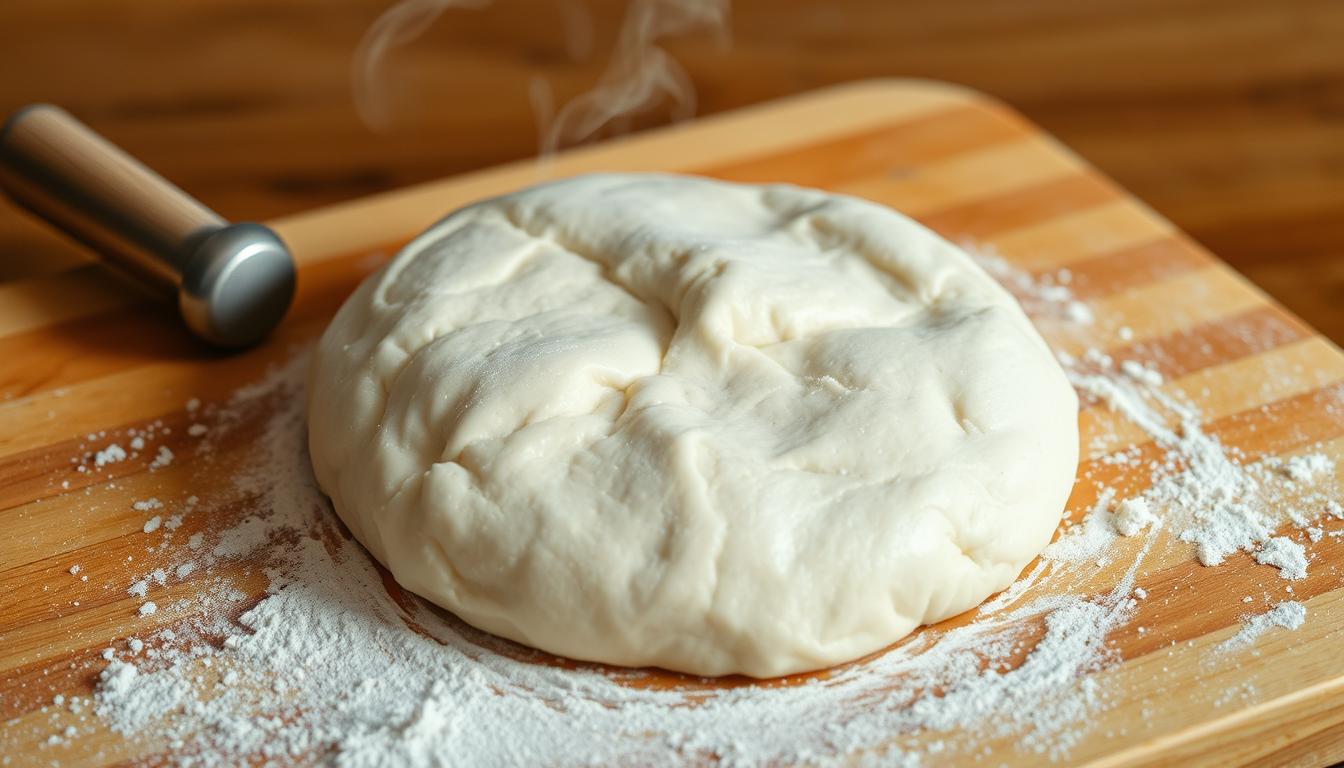
Pizza Making Tips From Dough To Oven can transform your home cooking game with the right techniques and knowledge. Whether you’re a complete beginner or looking to improve your pizza skills, mastering each step from mixing dough to pulling that perfect pie from the oven makes all the difference.
The secret to great homemade pizza lies in understanding how each component works together – from proper dough hydration to oven temperature management. With these proven tips, you’ll be making pizzeria-quality pies in your own kitchen.
TL;DR
- Use 60-65% hydration for dough (600-650g water per 1000g flour) for perfect texture and handling.
- Preheat your oven to maximum temperature (usually 500-550°F) for at least 30 minutes before baking.
- Let dough rest at room temperature for 2-4 hours or cold ferment for 24-72 hours for better flavor.
- Use a pizza stone or steel placed on the bottom oven rack for crispy, well-cooked crusts.
Pizza Making Tips From Dough To Oven
Great pizza starts with understanding the fundamentals of dough chemistry and heat management. The process involves precise ratios, proper timing, and temperature control at every stage.
Success comes from treating each element – dough, sauce, cheese, and baking – as connected parts of a complete system. When you master these connections, you’ll consistently produce restaurant-quality results at home.
Essential Dough Preparation Techniques
The foundation of exceptional pizza begins with properly mixed and developed dough. Quality ingredients and correct hydration levels determine your final crust texture and flavor.
Start with these key dough principles for consistent results every time:
- Flour selection – Use bread flour (12-14% protein) for chewy texture or 00 flour for authentic Neapolitan style.
- Water temperature – Keep water between 70-80°F to activate yeast properly without killing it.
- Salt timing – Add salt after flour and water mix to prevent inhibiting yeast development.
- Mixing method – Combine ingredients until just incorporated, then let autolyse rest for 20 minutes.
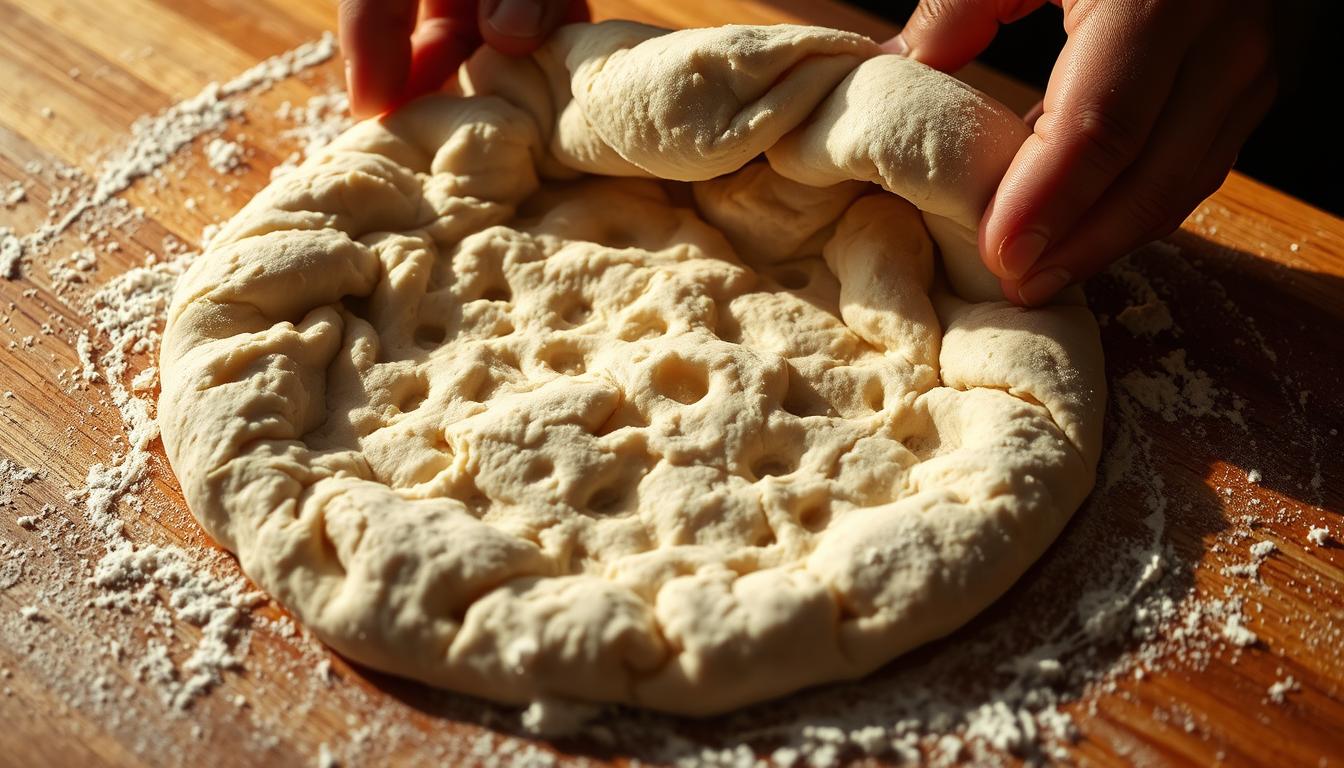
The homemade pizza dough recipe process requires patience – don’t rush the mixing or kneading stages. Proper gluten development takes 8-10 minutes of kneading by hand or 5-6 minutes in a stand mixer.
Fermentation and Rise Management
Fermentation develops flavor complexity and improves dough handling characteristics. Cold fermentation in the refrigerator for 24-72 hours produces the best taste and texture.
For same-day pizza, allow 2-4 hours of room temperature rise after mixing. The dough should double in size and feel smooth and elastic when properly fermented.
Sauce Preparation and Application
Pizza sauce should complement, not overpower, your other toppings. Keep it simple with quality ingredients and proper consistency for even spreading.
Follow these sauce guidelines for balanced flavor:
- Use quality tomatoes. San Marzano tomatoes or good canned whole tomatoes work better than tomato sauce.
- Season lightly. Salt, garlic, and herbs are all you need – let the tomato flavor shine.
- Control moisture. Drain excess liquid to prevent soggy crusts during baking.
- Apply thin layers. Less is more – heavy sauce makes crusts soggy and toppings slide.
Raw sauce works perfectly for high-temperature baking since it cooks during the pizza baking process. The pizza sauce secrets tips include balancing acidity with a pinch of sugar if your tomatoes taste too sharp.
Cheese Selection and Distribution
Proper cheese choice and placement affects both taste and texture of your finished pizza. Different cheeses melt at different rates and contribute unique flavors to your pie.
Low-moisture mozzarella prevents excess water release during baking. Fresh mozzarella works best when torn into pieces and patted dry before use.
- Mozzarella – Primary cheese for stretch and mild flavor
- Parmesan – Adds sharp, nutty notes when grated fresh
- Provolone – Contributes tangy flavor and good melting
- Fontina – Creamy texture with earthy taste
Distribute cheese evenly but don’t overload – too much cheese creates grease pools and prevents proper browning. The choosing the right cheese guide explains how different varieties affect your pizza’s final taste and appearance.
Perfect Topping Balance
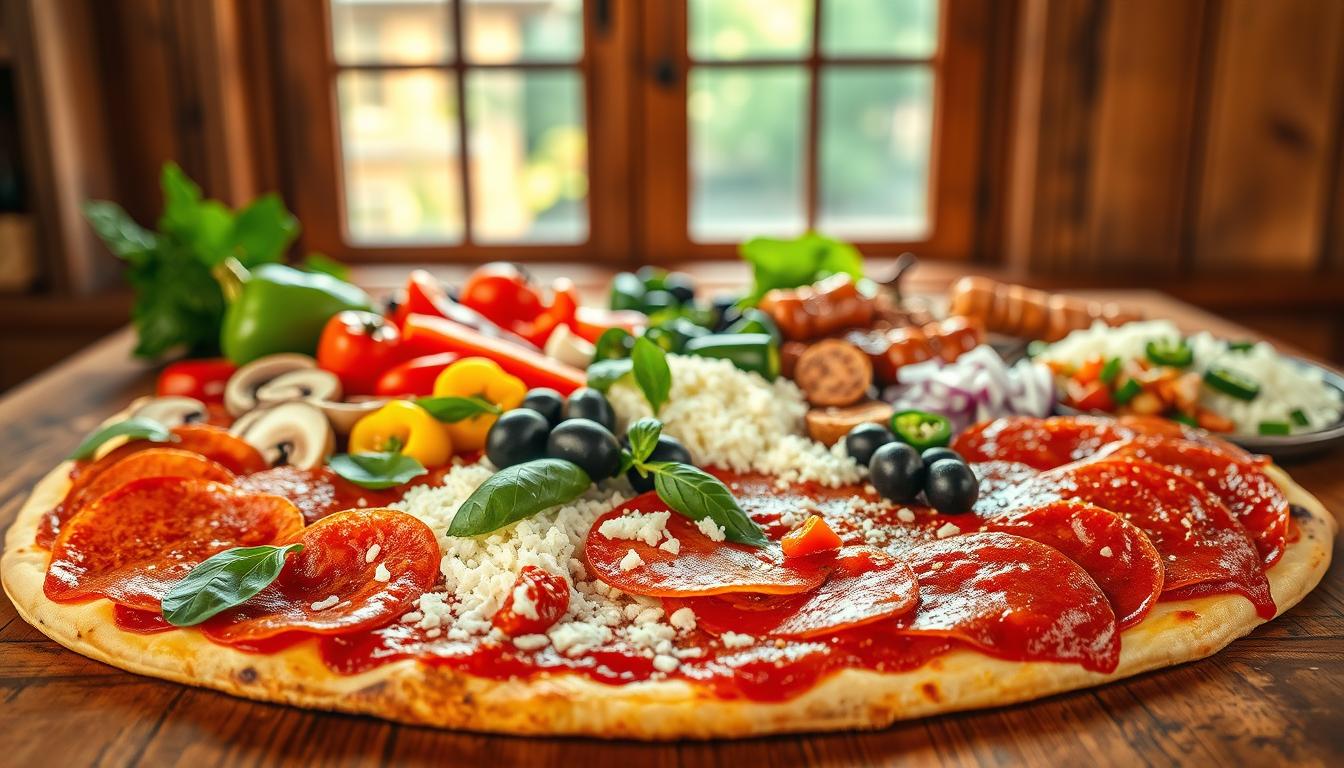
Use the “less is more” principle – 3-4 toppings maximum per pizza. Heavy toppings prevent proper crust cooking and create soggy centers.
Creative Topping Combinations
Successful topping combinations balance flavors, textures, and moisture levels. Consider how each ingredient behaves during high-heat baking.
Pre-cook high-moisture vegetables like mushrooms or bell peppers to remove excess water. Raw onions and garlic can burn at high temperatures, so use them sparingly or cook them first.
Protein Preparation
Most proteins need pre-cooking before going on pizza. Raw meats won’t cook through during the short baking time required for proper crust development.
Pepperoni and other cured meats can go on raw since they’re already processed. Fresh sausage, chicken, or beef should be cooked to safe temperatures before adding to your pizza.
The creative ideas for pizzas guide offers proven topping combinations that work well together without overwhelming your crust.
Oven Setup and Temperature Control
Proper oven preparation creates the high-heat environment needed for crispy crusts and properly melted cheese. Most home ovens reach 500-550°F maximum temperature.
Pizza stones or steel plates improve heat transfer and create better crust texture. Place your stone on the bottom oven rack and preheat for at least 30 minutes before baking.
- Preheat thoroughly – 30-45 minutes at maximum temperature
- Use bottom rack placement – Direct heat contact cooks crust properly
- Avoid opening door – Heat loss extends cooking time and affects texture
- Work quickly – Assemble pizza on parchment or peel for fast transfer
The pizza baking techniques guide covers advanced methods for getting professional results from standard home ovens.
Timing and Doneness Indicators
Most pizzas bake in 8-12 minutes at maximum home oven temperature. Watch for golden-brown crust edges and bubbling cheese as doneness indicators.
The bottom crust should sound hollow when tapped and feel firm when lifted. Undercooked crusts feel soft and doughy, while overcooked ones become hard and brittle.
Articles You May Like
Frequently Asked Questions
How long should pizza dough rise?
Pizza dough needs 2-4 hours at room temperature or 24-72 hours in the refrigerator for optimal flavor and texture development.
What’s the best flour for pizza dough?
Bread flour with 12-14% protein content works best for chewy crusts, while 00 flour creates authentic Neapolitan-style texture.
How hot should my oven be for pizza?
Set your oven to maximum temperature (usually 500-550°F) and preheat for at least 30 minutes before baking pizza.
Why is my pizza crust soggy?
Soggy crusts result from too much sauce, wet toppings, insufficient oven heat, or undercooked dough that needs more baking time.
Can I freeze pizza dough?
Yes, wrap portioned dough balls tightly and freeze for up to 3 months, then thaw in refrigerator overnight before using.
Final Thoughts
Pizza Making Tips From Dough To Oven success comes from understanding how each step connects to create the final product. Master the fundamentals of dough preparation, proper topping application, and oven management for consistent results.
Start practicing these techniques with simple recipes, then experiment with more complex combinations as your skills develop. Great pizza happens when technique meets creativity in your own kitchen.

Ryan Conlon is a BBQ enthusiast and inspired chef on a journey through the smoky, savory world of outdoor cooking. Hailing from the heart of the Midwest, Ryan’s passion for grilling ignited during his early years, where family gatherings often revolved around the sizzle of the grill and the aroma of seasoned meats.