
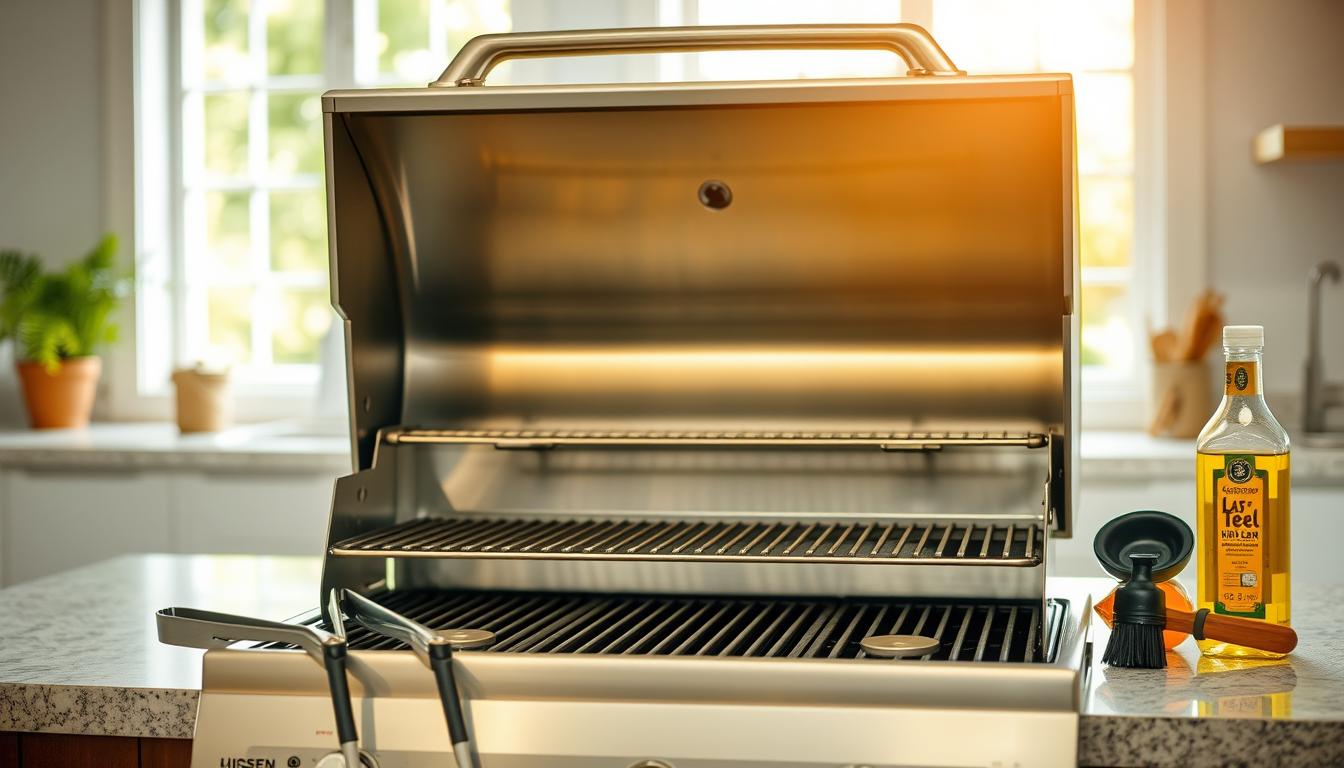
How To Prep And Season A New Grill Before First Use starts with removing all packaging materials and protective coatings that manufacturers apply during production. This initial preparation process ensures your grill performs safely and delivers the best flavor from day one.
Proper seasoning creates a protective layer on cooking surfaces and burns off any manufacturing residues. Taking time to prep your new grill correctly prevents metallic tastes and helps develop better heat distribution for years of reliable cooking.
TL;DR
- Remove all stickers, plastic wrapping, and cardboard from inside and outside the grill before first use.
- Heat your grill to 400-450°F for 20-30 minutes to burn off manufacturing oils and residues.
- Apply a thin layer of high-heat oil like canola or vegetable oil to all cooking surfaces while warm.
- Let the grill cool completely before wiping down with a clean cloth to finish the seasoning process.
How To Prep And Season A New Grill Before First Use
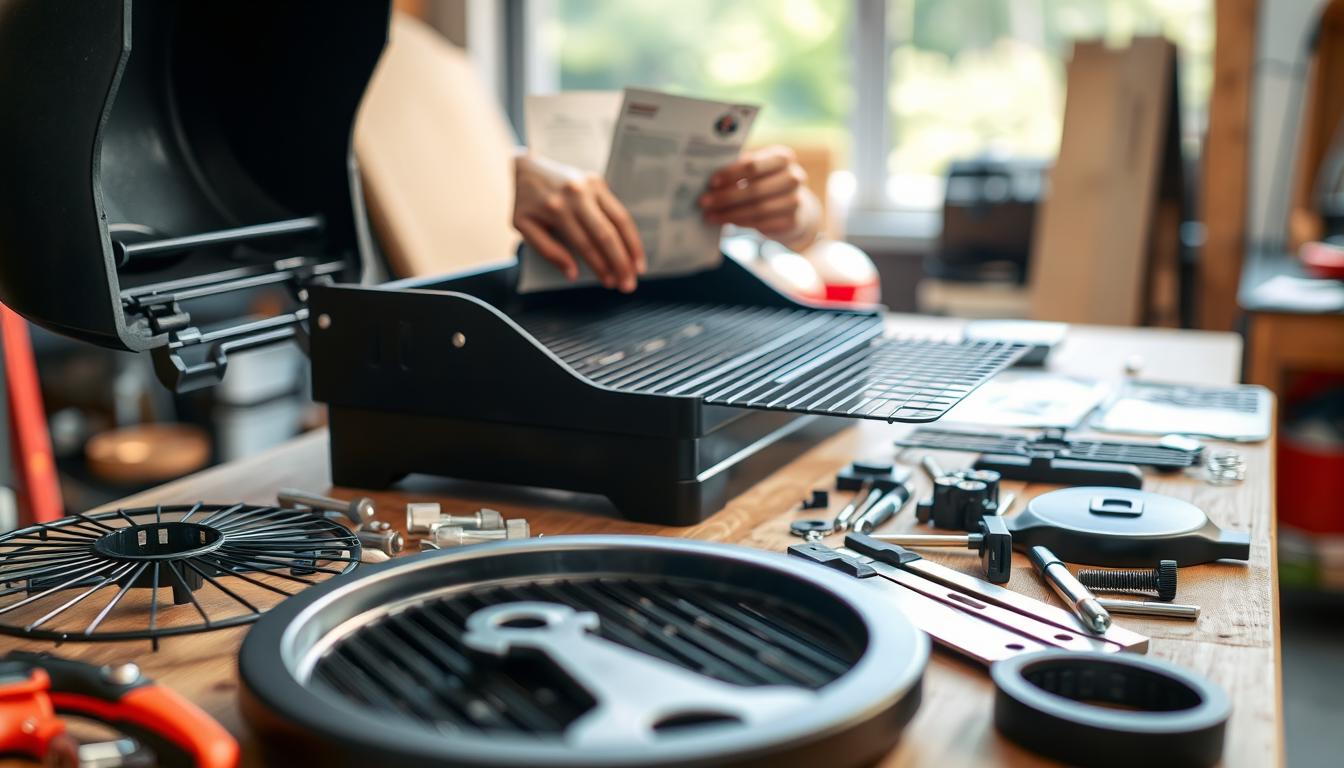
Start by unpacking your grill completely and removing every piece of protective material. Check inside the firebox, under grates, and around burner tubes for plastic covers, foam padding, or cardboard pieces that need removal.
Wash all removable parts like cooking grates, warming racks, and drip pans with warm soapy water. Rinse thoroughly and dry completely before reassembling to prevent water spots and ensure proper seasoning adhesion.
Remove Manufacturing Residues
Manufacturers coat new grills with protective oils and sometimes apply temporary coatings to prevent rust during shipping. These substances can create off-flavors and smoke when heated, so removing them completely is essential.
Wipe down all interior and exterior surfaces with a damp cloth to remove dust and light residues. For stubborn spots, use a mild degreaser specifically designed for grills, then rinse and dry thoroughly.
Initial Heat Burn-Off Process
The burn-off process eliminates manufacturing residues and prepares metal surfaces for seasoning. This step is crucial for both gas and charcoal grills, though the method differs slightly between grill types.
For gas grills, connect your propane tank and open all burners to high heat. For charcoal grills, light a full chimney of charcoal and spread it evenly across the bottom grate.
Temperature and Timing Guidelines
Maintain temperatures between 400-450°F during the burn-off phase. This range is hot enough to eliminate residues without damaging grill components or creating excessive wear on new parts.
Keep the lid closed and let the grill run for 20-30 minutes at this temperature. You may notice some smoke and odors during this process – this is normal as manufacturing oils burn away.
Applying Oil for Seasoning
Once the burn-off is complete, turn off the grill and let it cool until it’s warm but safe to handle. Apply a thin layer of high-heat cooking oil to all cooking surfaces while they’re still warm for better absorption.
Use oils with high smoke points like canola, vegetable, or grapeseed oil for best results. Avoid olive oil or butter, which can burn and create sticky residues at high temperatures.
- Canola Oil – neutral flavor with 400°F smoke point, widely available and affordable.
- Vegetable Oil – similar properties to canola, works well for initial seasoning.
- Grapeseed Oil – higher smoke point at 420°F, creates excellent non-stick surface.
- Avocado Oil – premium option with 520°F smoke point for heavy-duty seasoning.
Oil Application Technique
Use paper towels or a clean cloth to spread oil evenly across all cooking surfaces. Apply just enough to create a thin, even coating without pooling or dripping.
Heat Activation of Oil Layer
After applying oil, fire up the grill again and heat to medium temperature (around 300-350°F) for 15-20 minutes. This heat activation helps the oil bond with the metal surfaces and creates the foundation for your grill’s non-stick properties.
Keep the lid closed during this process and monitor for any excessive smoking. Some light smoke is normal, but heavy smoke indicates too much oil was applied.
Multiple Seasoning Rounds
Consider repeating the oil application and heating process 2-3 times for optimal seasoning. Each round builds up the protective layer and improves the grill’s performance over time.
Allow the grill to cool completely between rounds, then reapply oil and heat again. This method is especially beneficial for cast iron grates and smoker components that benefit from thorough seasoning.
Post-Seasoning Cleanup
Once the final heating cycle is complete, turn off the grill and let it cool to room temperature. Wipe down all surfaces with a clean, dry cloth to remove any excess oil or residue from the seasoning process.
Clean the exterior with appropriate cleaners for your grill’s finish – stainless steel cleaner for steel surfaces or warm soapy water for painted finishes. This final cleanup ensures your grill looks great and is ready for cooking.
Storage Considerations
If you won’t be using your grill immediately, apply a very light coat of oil to prevent rust formation. Store in a dry location or use a quality grill cover to protect against moisture and debris.
Proper storage after seasoning helps maintain the protective layer you’ve created. Check our guide on seasonal grill storage for long-term protection tips.
Testing Your Seasoned Grill
Plan a simple first cook to test your grill’s performance after seasoning. Choose foods that won’t stick easily, like burgers or chicken thighs, rather than delicate items like fish or vegetables.
This first cooking session helps identify any remaining hot spots and lets you adjust to your grill’s heat distribution. Keep some essential grilling tools handy for temperature monitoring and food handling.
Articles You May Like
Frequently Asked Questions
How long should I wait before cooking on a new grill?
Wait until the grill cools to room temperature after seasoning, then it’s ready to use. The entire prep and seasoning process typically takes 2-3 hours including cooling time.
Do I need to season a stainless steel grill?
Yes, even stainless steel grates benefit from seasoning to create non-stick properties and remove manufacturing residues. The process is the same regardless of grate material.
What happens if I skip the seasoning process?
Skipping seasoning can result in metallic tastes, food sticking to grates, and reduced grill lifespan. You may also experience excessive smoke and odors during early cooking sessions.
Can I use cooking spray instead of oil for seasoning?
Avoid cooking sprays which contain additives that can leave residue. Stick to pure high-heat oils like canola or vegetable oil for best seasoning results.
Final Thoughts
How To Prep And Season A New Grill Before First Use sets the foundation for years of successful outdoor cooking. Taking time to properly clean, burn off residues, and apply seasoning creates better food release and protects your investment.
Start this process on a weekend when you have plenty of time and can enjoy the satisfaction of preparing your new grill correctly.

Ryan Conlon is a BBQ enthusiast and inspired chef on a journey through the smoky, savory world of outdoor cooking. Hailing from the heart of the Midwest, Ryan’s passion for grilling ignited during his early years, where family gatherings often revolved around the sizzle of the grill and the aroma of seasoned meats.