
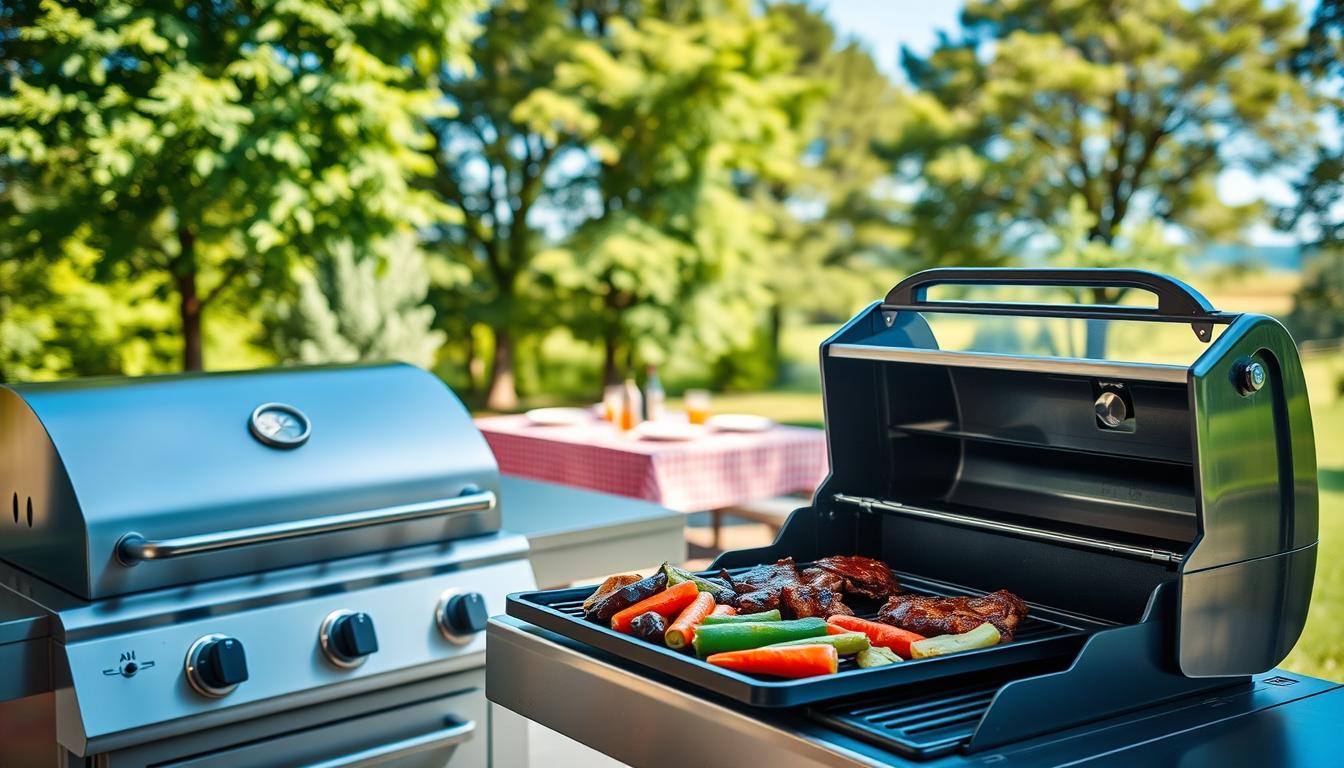
BBQ Safety Tips Every Outdoor Cook Should Know can prevent serious injuries and property damage during your grilling sessions. Whether you’re firing up a charcoal grill for the first time or you’re a seasoned pitmaster, following proper safety protocols protects you, your guests, and your property.
Outdoor cooking involves open flames, hot surfaces, and flammable materials that require constant attention and respect. A single oversight can turn a fun cookout into an emergency room visit or worse.
TL;DR
- Keep a fire extinguisher within 10 feet of your grill and check it monthly for proper pressure.
- Place grills at least 10 feet away from structures, overhangs, and flammable materials.
- Use a meat thermometer to ensure internal temperatures reach 165°F for poultry and 160°F for ground meats.
- Never leave a lit grill unattended – assign a designated “grill watcher” if you need to step away.
BBQ Safety Tips Every Outdoor Cook Should Know
Proper grill placement forms the foundation of safe outdoor cooking. Your grill needs adequate clearance from combustible materials like deck railings, overhanging branches, and patio umbrellas. Even heat-resistant surfaces can warp or discolor when exposed to excessive heat.
Wind direction affects both safety and cooking performance. Position your grill so smoke blows away from dining areas and open windows, and be prepared to adjust cooking times when strong winds affect heat distribution.
Fire Prevention and Emergency Preparedness
Every outdoor cooking area needs a dedicated fire extinguisher rated for grease fires (Class K or multi-purpose ABC). Water should never be used on grease fires, as it can cause dangerous flare-ups and spread burning oil. Keep baking soda nearby as an additional option for small grease fires.
Create a safety zone around your cooking area by removing dry leaves, paper products, and other flammable debris. This 10-foot radius gives you room to maneuver safely and prevents accidental ignition of nearby materials.
- Fire extinguisher placement – Mount within easy reach but away from the grill’s heat zone.
- Emergency contacts – Keep your phone charged and local emergency numbers easily accessible.
- First aid kit – Stock burn gel, sterile bandages, and pain relievers in your outdoor cooking area.
- Water source – Have a garden hose connected and ready for cleanup and emergency cooling.
Gas Grill Safety Protocols
Check propane connections before every cooking session using soapy water to detect leaks – bubbles indicate escaping gas that requires immediate attention. Replace old or damaged hoses annually, and always transport propane tanks in an upright position with the valve closed.
When lighting a gas grill, open the lid first to prevent gas accumulation, then turn on the gas and ignite immediately. If the grill doesn’t light within 5 seconds, turn off the gas and wait 5 minutes before trying again.
Charcoal Grilling Safety
Never use gasoline, kerosene, or other flammable liquids to start charcoal – these create unpredictable flame patterns and toxic fumes. A chimney starter makes charcoal grilling easier and more consistent while eliminating the need for dangerous starter fluids.
Allow charcoal to burn completely to ash before disposing of it, and never dump hot coals directly into trash containers. Store leftover charcoal in a dry location away from potential ignition sources.
Food Safety and Temperature Control
Cross-contamination poses serious health risks during outdoor cooking where washing facilities may be limited. Use separate cutting boards, utensils, and plates for raw and cooked foods, and never place cooked meat on surfaces that held raw proteins.
Temperature control prevents foodborne illness and ensures properly cooked meals. BBQ thermometers matter for accuracy, safety, and better cooking results, making them non-negotiable tools for safe outdoor cooking.
- Pre-cook preparation. Wash hands thoroughly and sanitize all surfaces before handling food.
- Temperature monitoring. Check internal temperatures at the thickest part of meats, away from bones.
- Hot holding. Keep cooked foods at 140°F or higher until serving time.
- Cold storage. Refrigerate leftovers within 2 hours (1 hour if ambient temperature exceeds 90°F).
Smart Substitution Strategy
Keep a spray bottle filled with water nearby for minor flare-ups, but never spray directly onto grease fires. The fine mist can help control small flame bursts without creating dangerous splatter.
Personal Protection Equipment
Heat-resistant gloves improve safety at the grill and smoker by protecting your hands and forearms from burns when adjusting grates or moving hot items. Choose gloves rated for temperatures up to 500°F for maximum protection.
Every griller should use a BBQ apron for safety and practical benefits including protection from grease splatter and having tools within easy reach. Long sleeves and closed-toe shoes provide additional protection from heat and sparks.
Weather Considerations
High winds create unpredictable fire behavior and can blow embers to nearby combustible materials. Consider postponing outdoor cooking when wind speeds exceed 25 mph, or move to a more sheltered location if available.
Rain and moisture affect both safety and food quality – wet surfaces become slippery, and temperature control becomes more challenging. Have a backup indoor cooking plan for severe weather conditions.
Cleanup and Storage Safety
Proper cleaning prevents grease buildup that can cause dangerous flare-ups during future cooking sessions. Using grill mats can prevent sticking and reduce cleanup time while making maintenance safer and more manageable.
Allow grills to cool completely before cleaning, and dispose of grease properly in designated containers rather than pouring it down drains. Store essential BBQ tools in a dry location to prevent rust and maintain their safety features.
Frequently Asked Questions
How far should my grill be from my house?
Keep your grill at least 10 feet away from your house, deck railings, overhangs, and any combustible materials to prevent fire hazards.
What should I do if my grill catches fire?
Turn off the gas supply immediately, keep the lid closed to starve the fire of oxygen, and use a Class K fire extinguisher if the flames don’t subside within a few minutes.
How do I check for gas leaks on my grill?
Mix equal parts water and dish soap, then brush the solution onto all gas connections and watch for bubbles, which indicate a gas leak that needs immediate attention.
When should I replace my grill’s propane tank?
Replace propane tanks when they’re empty, show signs of rust or damage, or are more than 12 years old based on the manufacturing date stamped on the tank collar.
What’s the safest way to dispose of charcoal ash?
Allow ash to cool completely for at least 48 hours, then store in a metal container with a tight lid away from combustible materials before final disposal.
Final Thoughts
BBQ Safety Tips Every Outdoor Cook Should Know become second nature with practice, but they require conscious attention every time you fire up the grill. These protocols protect your family, guests, and property while ensuring everyone can focus on enjoying great food and good company.
Start implementing these safety measures at your next cookout and make them part of your standard grilling routine.


Ryan Conlon is a BBQ enthusiast and inspired chef on a journey through the smoky, savory world of outdoor cooking. Hailing from the heart of the Midwest, Ryan’s passion for grilling ignited during his early years, where family gatherings often revolved around the sizzle of the grill and the aroma of seasoned meats.