
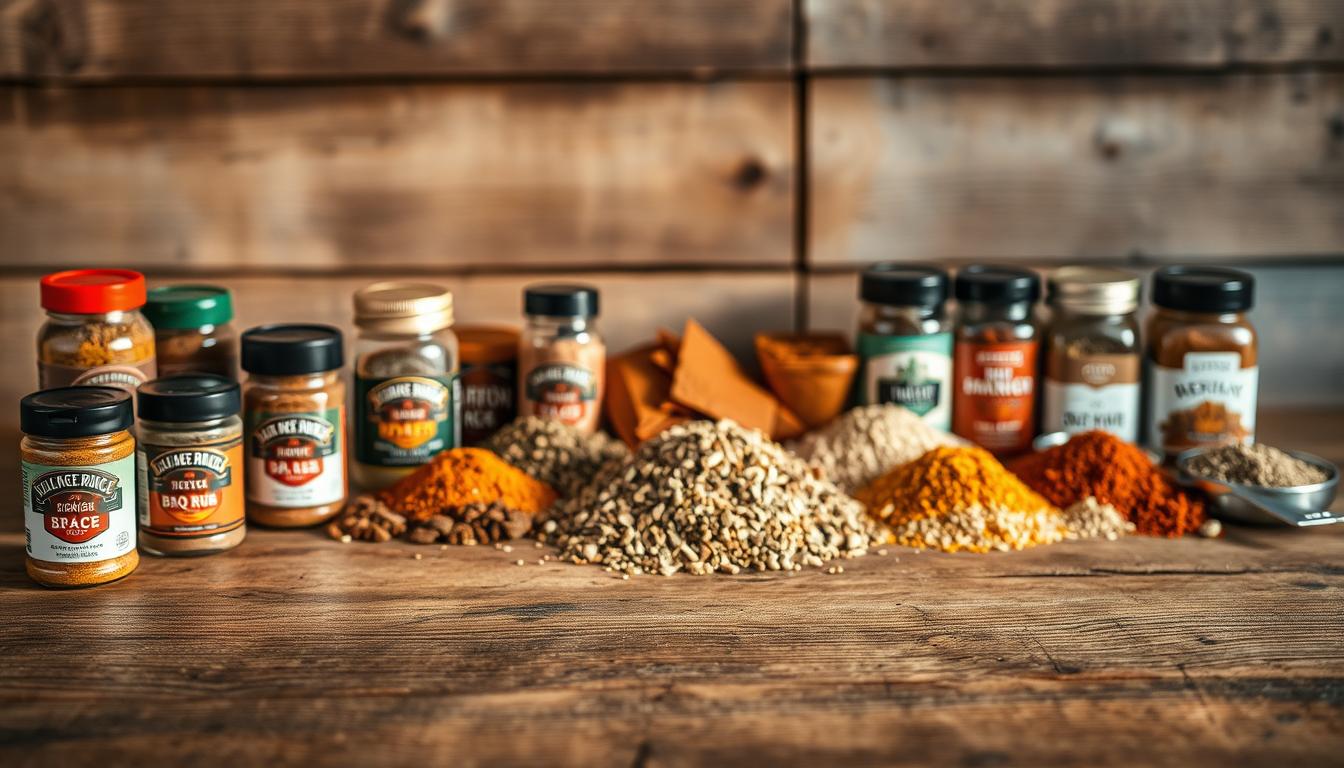
Beginners Guide To BBQ Rubs And Seasonings can transform ordinary meat into restaurant-quality barbecue with the right combination of spices and technique. A good rub creates a flavorful crust while tenderizing the meat, making it the foundation of great BBQ.
Understanding how different spices work together and when to apply them will take your grilling from basic to impressive. Whether you’re working with store-bought blends or creating your own custom mix, the principles remain the same.
TL;DR
- Apply dry rubs 2-24 hours before cooking for maximum flavor penetration and better bark formation.
- Use 1-2 tablespoons of rub per pound of meat as your starting measurement.
- Salt should make up 25-50% of any rub recipe to properly season and tenderize the meat.
- Store homemade rubs in airtight containers for up to 6 months without losing potency.
Beginners Guide To BBQ Rubs And Seasonings
A BBQ rub is a blend of spices, herbs, and seasonings that you massage into meat before cooking. The rub serves multiple purposes – it adds flavor, helps create a crusty exterior called bark, and can help tenderize tougher cuts of meat through salt and acid content.
Dry rubs work differently than marinades because they draw moisture from the surface of the meat, concentrating flavors. This process creates better browning and develops that signature BBQ crust everyone loves.
Basic Rub Components
Every good rub starts with these essential elements that work together to build layers of flavor:
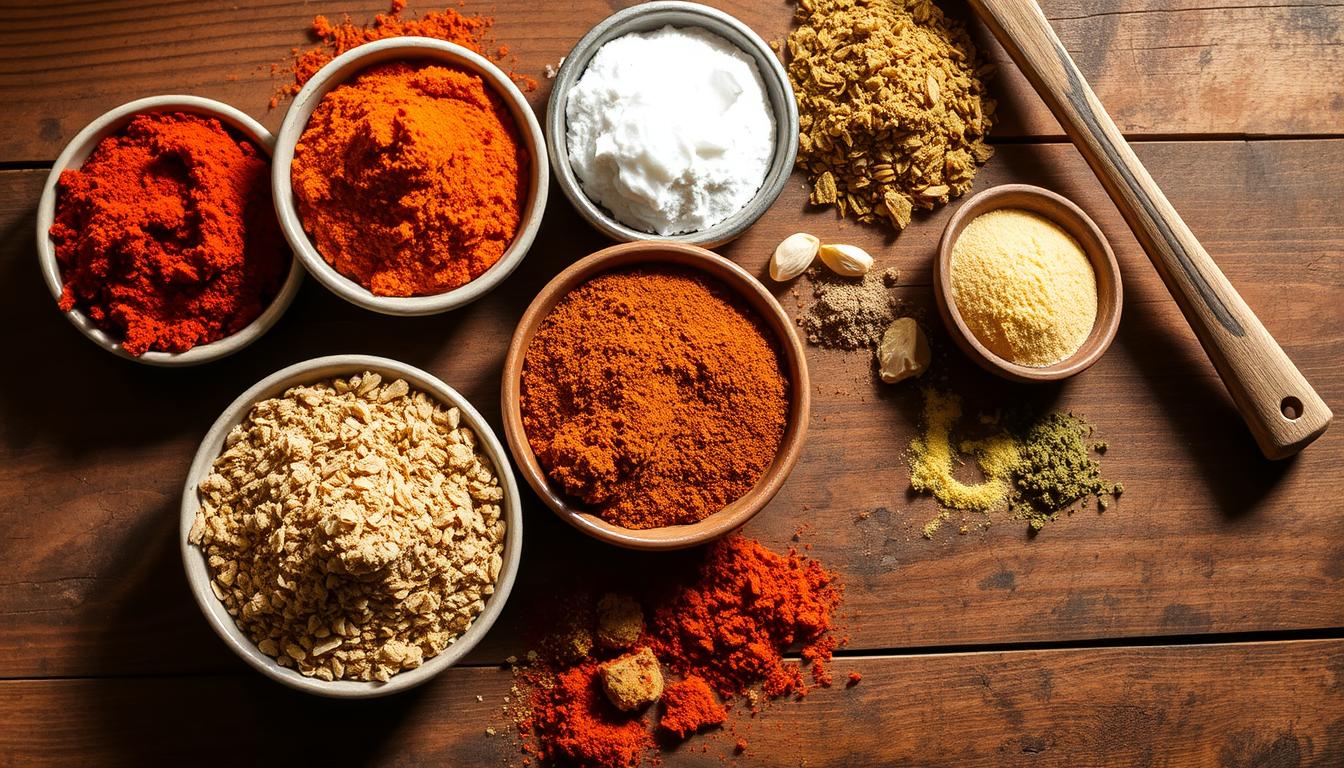
- Salt – The foundation that seasons and tenderizes meat while helping other flavors penetrate deeper.
- Sugar – Brown sugar or white sugar helps with caramelization and balances spicy heat.
- Paprika – Provides color and mild pepper flavor without overwhelming heat.
- Garlic powder – Adds savory depth that complements all types of meat.
- Onion powder – Brings sweetness and rounds out the flavor profile.
- Black pepper – Essential for heat and complexity in any rub blend.
Types of BBQ Rubs
Different rub styles work better with specific meats and cooking methods. Understanding these categories helps you choose the right flavor profile for your barbecue.
Sweet Rubs
Sweet rubs contain higher amounts of brown sugar, white sugar, or other sweeteners like maple sugar. These work exceptionally well with pork ribs, pork shoulder, and chicken because the sugars caramelize during cooking, creating a glossy, flavorful bark.
The sugar content also helps balance spicy elements and creates that classic BBQ flavor most people recognize. Be careful with sweet rubs on high-heat grilling since sugars can burn quickly.
Savory Rubs
Savory rubs focus on herbs, garlic, onion, and salt without much sweetness. These blends work perfectly with beef cuts like brisket, tri-tip, and steaks where you want the meat flavor to shine through.
Common savory ingredients include rosemary, thyme, oregano, and celery salt. These essential BBQ tools help create complex flavor without masking the natural taste of quality meat.
Spicy Rubs
Spicy rubs incorporate various chili powders, cayenne pepper, and hot paprika to bring heat to your barbecue. The key is building layers of heat rather than just adding one super-hot ingredient.
Start with mild chili powder as your base, then add cayenne or chipotle powder gradually until you reach your preferred heat level. Remember that heat intensifies during the long cooking process.
How to Apply Rubs Properly
Timing and technique matter just as much as the rub ingredients themselves. Proper application ensures even coverage and maximum flavor penetration.
Timing Your Application
Apply rubs at least 2 hours before cooking, but overnight application works even better for larger cuts. The salt in the rub needs time to penetrate the meat and start breaking down proteins.
For thin cuts like chicken breasts or fish, 30 minutes to 2 hours is sufficient. Thicker cuts like pork shoulder or brisket benefit from 12-24 hours of rub time in the refrigerator.
Application Technique
Pat the meat completely dry with paper towels before applying any rub. Moisture prevents the rub from sticking properly and can create uneven flavor distribution.
- Start with clean hands. Wash thoroughly and consider using food-safe gloves to prevent cross-contamination.
- Apply in stages. Sprinkle a light layer first, massage it in, then add more until you have complete coverage.
- Work all surfaces. Don’t forget the sides and any crevices in the meat where rub can settle.
- Press gently. The rub should stick without being packed on thick – you want flavor, not a paste.
Perfect Rub Measurement
Use about 1 tablespoon of rub per pound of meat as your starting point. You can always add more, but you can’t take it back once it’s applied.
Basic Rub Recipes to Start With
These simple recipes give you a foundation to build on and modify based on your taste preferences. Start with these proven combinations before experimenting with your own blends.
All-Purpose BBQ Rub
This versatile blend works well with pork, chicken, and beef. It provides balanced flavor without being too sweet or spicy for most palates.
- 1/4 cup brown sugar
- 2 tablespoons paprika
- 1 tablespoon salt
- 1 tablespoon chili powder
- 1 tablespoon garlic powder
- 1 tablespoon onion powder
- 1 teaspoon black pepper
Simple Beef Rub
This savory blend lets the beef flavor shine while adding complexity. Perfect for brisket, steaks, and tri-tip roasts.
- 2 tablespoons coarse salt
- 2 tablespoons coarse black pepper
- 1 tablespoon garlic powder
- 1 tablespoon onion powder
- 1 teaspoon smoked paprika
Sweet Pork Rub
The higher sugar content in this rub creates excellent caramelization on pork ribs and shoulder. The sweetness balances the natural richness of pork perfectly.
- 1/3 cup brown sugar
- 2 tablespoons paprika
- 1 tablespoon salt
- 1 tablespoon garlic powder
- 2 teaspoons chili powder
- 1 teaspoon cayenne pepper
Common Mistakes to Avoid
Learning what not to do saves time and prevents disappointing results. These common errors can ruin otherwise good barbecue.
Over-salting
Too much salt draws out moisture and can make meat taste like jerky rather than juicy barbecue. If you’re unsure about salt levels, start with less and taste-test on a small piece first.
Remember that some ingredients like garlic salt or seasoned salt already contain sodium. Read labels carefully when combining store-bought seasonings.
Applying Rub to Wet Meat
Moisture prevents rubs from adhering properly and can create a paste-like coating that doesn’t penetrate. Always pat meat completely dry before seasoning.
If you’ve marinated the meat, drain and dry it thoroughly before applying your rub. The marinades and brines guide explains how to balance wet and dry seasoning methods effectively.
Not Storing Properly
Homemade rubs lose potency quickly when exposed to air, light, and moisture. Store finished rubs in airtight containers away from heat and direct sunlight.
Label containers with ingredients and date mixed. Most rub blends maintain full flavor for 6 months when stored properly, but whole spices stay fresh longer than ground ones.
Building Your Own Custom Blends
Once you understand the basics, creating your own signature rubs becomes an enjoyable experiment. Start with proven ratios and adjust gradually based on your preferences.
Flavor Balance Guidelines
Follow these general ratios when creating new rub recipes to maintain good balance:
- Salt – 25-50% of total rub volume for proper seasoning
- Sugar – 15-30% for sweetness and caramelization
- Base spices – 40-60% including paprika, garlic, and onion powder
- Heat elements – 5-10% from chili powders and pepper
- Accent spices – 5-10% for unique character like cumin or coriander
Testing New Combinations
Make small batches when experimenting with new flavor combinations. Mix 2-3 tablespoons total and test on a single chicken breast or pork chop before making larger quantities.
Keep notes on what works and what doesn’t. Successful combinations can be scaled up, while failed experiments only waste small amounts of ingredients.
Pairing Rubs with Cooking Methods
Different cooking techniques work better with specific rub styles. Understanding these relationships helps you choose the right seasoning for your cooking method.
Low and Slow Smoking
Long cooking times at low temperatures work best with rubs that won’t burn. Avoid high sugar content for 8+ hour cooks, and focus on salt, pepper, and savory herbs.
The extended cooking time allows subtle flavors to develop fully. Complex spice blends really shine when given time to meld with the meat during slow smoking.
High Heat Grilling
Quick, high-heat cooking requires rubs that can handle intense temperatures without burning. Minimize sugar content and focus on spices that add flavor without charring.
Simple salt and pepper combinations work excellently for steaks and burgers cooked over direct heat. The direct vs indirect heat guide explains when to use each cooking method for best results.
Frequently Asked Questions
How long before cooking should I apply a dry rub?
Apply dry rubs at least 2 hours before cooking, but overnight application works best for larger cuts. The salt needs time to penetrate and tenderize the meat.
Can I use too much rub on my meat?
Yes, over-seasoning can overpower the meat’s natural flavor and create an overly salty result. Start with 1 tablespoon per pound and adjust from there.
Should I put oil on meat before applying rub?
No, oil prevents proper rub adhesion and can cause uneven seasoning. Pat the meat completely dry before applying any rub for best results.
How do I store homemade rub blends?
Store rubs in airtight containers away from light and heat for up to 6 months. Label with ingredients and date mixed for reference.
What’s the difference between rubs and marinades?
Rubs are dry spice blends applied to meat surfaces, while marinades are liquid-based and penetrate deeper. Rubs create better bark formation during cooking.
Final Thoughts
Beginners Guide To BBQ Rubs And Seasonings opens up endless possibilities for creating memorable barbecue at home. Start with simple, proven recipes and gradually experiment with your own combinations as you build confidence.
Remember that great barbecue comes from practice and patience, not just the right spice blend. Focus on proper application timing and cooking techniques, and your rubs will deliver consistently delicious results.


Ryan Conlon is a BBQ enthusiast and inspired chef on a journey through the smoky, savory world of outdoor cooking. Hailing from the heart of the Midwest, Ryan’s passion for grilling ignited during his early years, where family gatherings often revolved around the sizzle of the grill and the aroma of seasoned meats.