

Common BBQ Smoking Mistakes Beginners Make and How to Avoid Them can turn your first smoking sessions from disasters into delicious successes. Every pitmaster started somewhere, and learning from typical errors saves you time, money, and frustration.
Whether you’re fighting temperature swings, dealing with dry meat, or wondering why your brisket tastes like charcoal, these mistakes happen to nearly everyone starting out. The good news is that most smoking problems have simple solutions once you understand what went wrong.
TL;DR
- Temperature swings of more than 25°F ruin meat texture – use a quality thermometer and check vents every 30 minutes.
- Opening the smoker door adds 15-20 minutes to cooking time and causes temperature drops of 50°F or more.
- Wet wood creates bitter smoke – season wood for 6 months minimum and store it in a dry location.
- Starting with cheap cuts like pork shoulder costs under $2 per pound and forgives temperature mistakes better than expensive brisket.
Common BBQ Smoking Mistakes Beginners Make and How to Avoid Them
New smokers often jump in without understanding the basics, leading to disappointing results. These fundamental errors account for most failed smoking attempts, but each one has a straightforward fix.
The most expensive mistake is trying to smoke premium cuts like brisket or prime rib before mastering temperature control. Start with forgiving cuts that taste great even if your technique needs work.
Temperature Control Problems That Ruin Good Meat
Temperature swings kill more smoking sessions than any other factor. Your smoker temperature should stay within 25°F of your target, but beginners often see swings of 75°F or more.
Most temperature problems come from poor airflow management or using the built-in thermometer. Those cheap dome thermometers read 50-75°F higher than the actual cooking temperature at grate level.
How to Fix Temperature Issues
- Buy a dual-probe thermometer – one probe monitors pit temperature, the other tracks meat temperature.
- Place the pit probe at grate level – dome temperatures don’t reflect where your meat sits.
- Make small adjustments – crack vents open or closed by small amounts and wait 15 minutes to see results.
- Keep a temperature log – write down vent positions and corresponding temperatures for future reference.
Learning how to control temperature on a charcoal smoker takes practice, but consistent heat makes the difference between tender meat and tough disappointment. Monitor your smoker every 30 minutes during the first few hours when fuel burns hottest.
Wood Selection Mistakes That Create Bitter Smoke
Bad wood ruins good meat faster than any other single mistake. Wet wood, the wrong species, or too much wood creates acrid smoke that makes food taste like an ashtray.
Green or wet wood smolders instead of burning cleanly, producing white smoke instead of the thin blue smoke you want. This bitter smoke penetrates meat and creates harsh flavors that no amount of sauce can fix.
Choosing and Preparing Wood Correctly
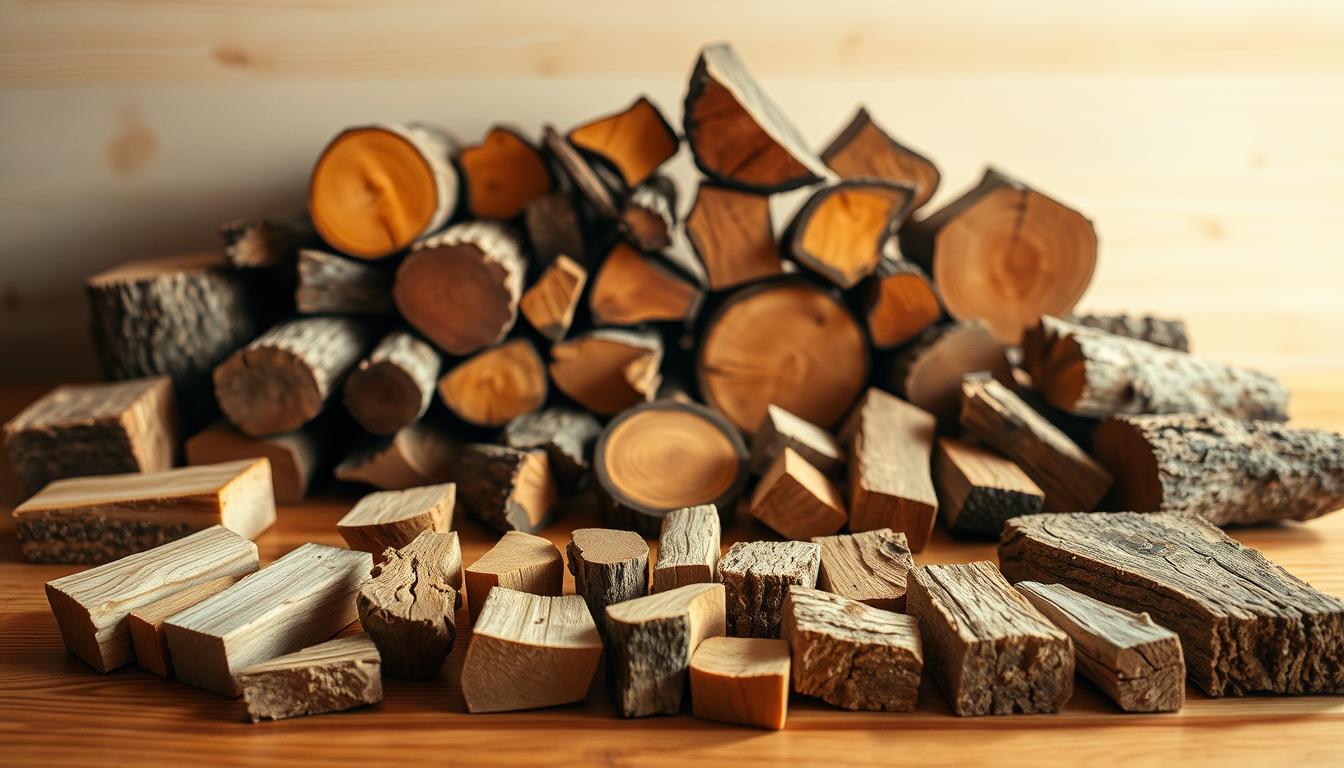
- Season wood for 6+ months – properly dried wood splits with cracks and sounds hollow when knocked together.
- Use chunks, not chips – chunks burn longer and produce steadier smoke than chips that flare up quickly.
- Start with mild woods – apple, cherry, and pecan work well for beginners before trying stronger options like hickory.
- Less is more – 2-3 chunks provide enough smoke for most cooking sessions.
Store your wood in a dry location with good airflow. Wet wood not only tastes bad but also causes temperature drops when you add it to hot coals.
The “Peek and Poke” Problem
Opening your smoker constantly is like opening your oven door while baking – it lets heat escape and extends cooking time. Every peek costs you 15-20 minutes of cooking time and drops internal temperature by 50°F or more.
New smokers worry their meat isn’t cooking properly, so they check every 30 minutes. This nervous monitoring creates uneven cooking and extends what should be an 8-hour cook into a 12-hour marathon.
Trust Your Thermometer
A good dual-probe thermometer eliminates the need to open your smoker. You can monitor both pit and meat temperature from inside your house.
When to Actually Check Your Smoker
- Add fuel. Check every 2-3 hours and add charcoal or wood as needed.
- Wrap meat. Some cuts benefit from wrapping in foil or butcher paper partway through cooking.
- Spritz if needed. Light spritzing with apple juice or water can help bark formation on some cuts.
- Check for doneness. Use the probe test or thermometer to verify internal temperature.
Between these necessary checks, leave your smoker alone. The saying “if you’re looking, you’re not cooking” exists for good reason.
Rushing the Process and Ignoring Rest Time
Smoking takes time, and beginners often try to speed things up by cranking the temperature higher. This approach defeats the purpose of low and slow cooking that breaks down tough connective tissues.
Even worse is skipping the rest period after cooking. Resting meat matters because it allows juices to redistribute throughout the muscle fibers instead of running out when you slice.
Proper Timing for Common Cuts
- Pork shoulder – 1.5 hours per pound at 225°F, rest 30 minutes wrapped in towels.
- Brisket – 1-1.5 hours per pound at 225°F, rest 1-2 hours in a cooler.
- Ribs – 5-6 hours at 225°F, rest 15-20 minutes before cutting.
- Chicken – 2-3 hours at 250°F, rest 10 minutes before carving.
Plan your cooking timeline backward from when you want to eat. Add extra time for unexpected stalls or temperature issues.
Seasoning and Preparation Errors
Poor seasoning ruins even perfectly smoked meat. Common mistakes include over-salting, under-seasoning, or applying rubs at the wrong time.
Salt draws moisture from meat initially, then the salt dissolves and gets reabsorbed along with the moisture. This process takes at least 40 minutes, so last-minute seasoning doesn’t work properly.
Better Seasoning Techniques
- Salt early – apply salt-based rubs 40 minutes to overnight before cooking.
- Use proper amounts – roughly 1/2 teaspoon of salt per pound of meat as a starting point.
- Balance flavors – good BBQ rubs combine salt, sugar, heat, and aromatic spices in balanced proportions.
- Don’t forget the sides – season all surfaces of your meat, not just the top.
Keep detailed notes about which rubs work well with different cuts. What tastes great on pork might overpower chicken or fish.
Equipment Problems That Sabotage Results
Trying to smoke on equipment that doesn’t hold temperature wastes your time and ingredients. Cheap grills with thin metal and poor seals fight you every step of the way.
The opposite extreme – buying expensive equipment before learning basics – also causes problems. Complex controllers and features can overwhelm beginners who need to understand fundamental smoking principles first.
Essential Equipment for Consistent Results
- Reliable thermometer – invest in a quality dual-probe model before upgrading anything else.
- Proper fuel – use lump charcoal or quality briquettes, not matchlight or cheap alternatives.
- Basic tools – essential BBQ tools include long-handled utensils, heat-resistant gloves, and a spray bottle.
- Workspace setup – organize your tools and ingredients before starting to cook.
Start with equipment that works reliably rather than equipment loaded with features. Master the basics on simple gear before adding complexity.
Fuel Management Mistakes
Running out of fuel halfway through a 12-hour brisket cook ruins your entire day. Poor fuel planning forces you to rush adding charcoal, which causes temperature spikes and uneven cooking.
Using the wrong type of fuel also creates problems. Matchlight charcoal contains chemical accelerants that give food off-flavors, while wet wood refuses to burn properly.
Better Fuel Planning
- Calculate fuel needs. Plan for 1-2 pounds of charcoal per hour of cooking time.
- Stage your fuel. Keep extra lit coals in a chimney starter for smooth additions.
- Use quality fuel. Natural lump charcoal or hardwood briquettes burn cleaner than cheap alternatives.
- Store fuel properly. Keep charcoal and wood dry in covered storage.
A chimney starter makes adding fuel much easier because you can light new coals while your current fuel burns down. This prevents temperature drops when adding cold charcoal.
Frequently Asked Questions
What’s the biggest mistake new smokers make?
Temperature control problems cause the most failures. Invest in a good thermometer and learn to make small adjustments to your vents rather than big changes.
How often should I check my smoker during cooking?
Check every 2-3 hours to add fuel or make necessary adjustments. Opening more frequently extends cooking time and creates temperature swings.
What wood should beginners start with for smoking?
Apple, cherry, or pecan provide mild, pleasant smoke flavors that work well with most meats. Avoid strong woods like mesquite until you develop your palate.
Why does my smoked meat turn out dry?
High temperatures or overcooking cause dry meat. Keep your smoker at 225-250°F and cook to proper internal temperature rather than time estimates.
What’s the best cut of meat for beginners to practice smoking?
Pork shoulder forgives temperature mistakes better than expensive cuts like brisket. It stays moist even if overcooked slightly and costs much less per pound.
Final Thoughts
Common BBQ Smoking Mistakes Beginners Make and How to Avoid Them don’t have to derail your journey to great barbecue. Every experienced pitmaster made these same errors when starting out.
Focus on mastering one technique at a time rather than trying to perfect everything at once. Start with simple cuts like pork shoulder, invest in a good thermometer, and keep detailed notes about what works.

Ryan Conlon is a BBQ enthusiast and inspired chef on a journey through the smoky, savory world of outdoor cooking. Hailing from the heart of the Midwest, Ryan’s passion for grilling ignited during his early years, where family gatherings often revolved around the sizzle of the grill and the aroma of seasoned meats.