
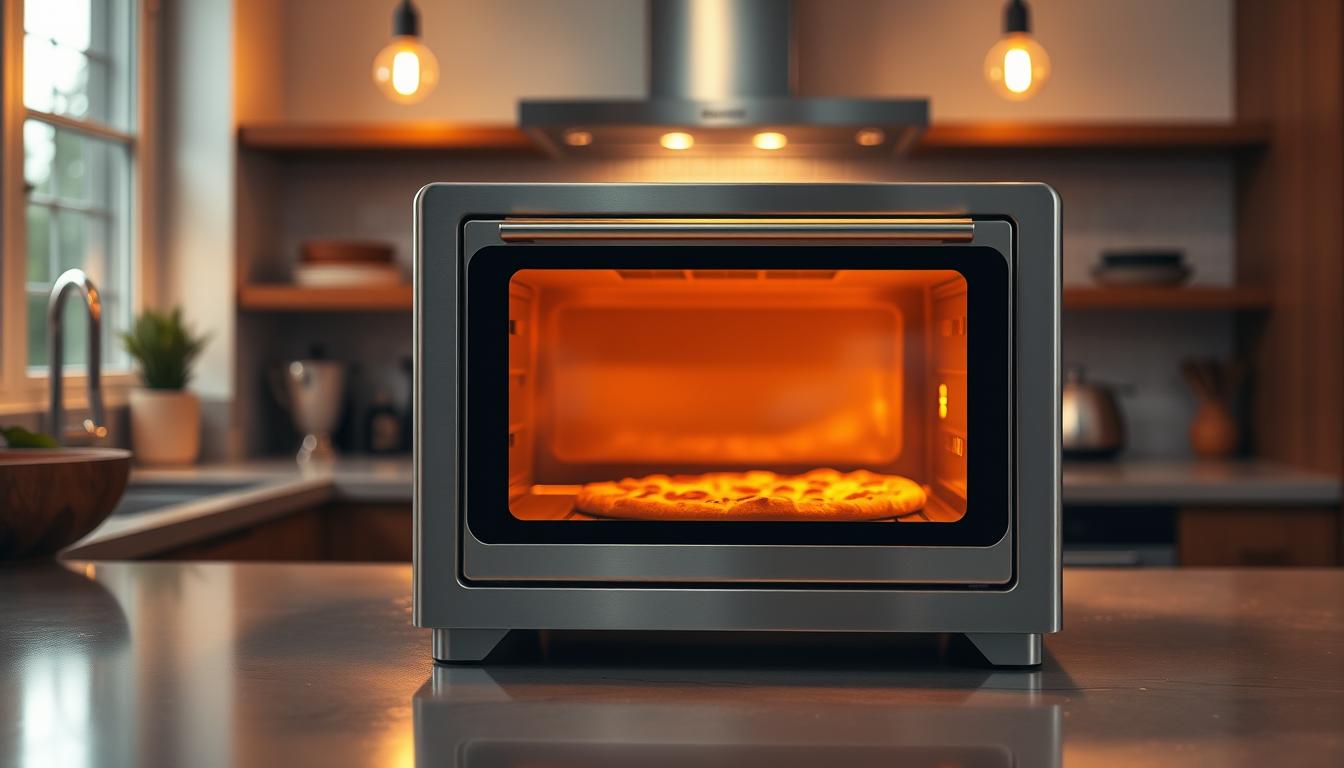
Countertop Pizza Ovens offer a convenient way to make restaurant-quality pizza at home without the space requirements of full-sized outdoor units. These compact appliances have gained popularity among home cooks who want authentic pizza results in their kitchen.
Understanding the strengths and limitations of countertop models helps you decide if they match your cooking style and expectations. While they excel in certain areas, they also have specific constraints that affect their performance.
TL;DR
- Most countertop pizza ovens reach 800-900°F in 15-20 minutes, cooking pizzas in 90 seconds to 3 minutes.
- Pizza sizes are limited to 10-12 inches maximum due to compact cooking chambers.
- Electric models use 1200-1800 watts of power and need adequate counter space and ventilation.
- Wood pellet countertop ovens produce authentic smoky flavors but require outdoor use due to emissions.
Countertop Pizza Ovens Best Performance Areas
These compact units shine when it comes to convenience and speed. Most models heat up significantly faster than conventional ovens, reaching pizza-making temperatures in under 20 minutes compared to an hour or more for traditional ovens.
The high heat capability sets countertop pizza ovens apart from regular kitchen appliances. Many reach temperatures between 800-900°F, which creates the crispy crust and perfectly melted cheese that defines authentic Neapolitan-style pizza.
Space Efficiency and Storage
Countertop models work well for kitchens where outdoor pizza ovens aren’t practical. They store easily in cabinets or pantries when not in use, unlike permanent outdoor installations that require dedicated space.
The compact design makes them ideal for apartments, condos, or homes with limited outdoor cooking areas. You get pizza oven performance without committing to a major outdoor cooking setup.
Consistent Temperature Control
Electric countertop pizza ovens maintain steady temperatures better than wood-fired alternatives. This consistency helps beginners achieve reliable results without mastering fire management techniques.
Digital controls and built-in timers take the guesswork out of pizza making. You can set precise temperatures and cooking times, making it easier to replicate successful pizzas.
Key Limitations to Consider
Size constraints represent the biggest limitation of countertop pizza ovens. Most accommodate pizzas no larger than 10-12 inches, which may not satisfy families or those who prefer larger portions.
The cooking chamber size also limits the number of pizzas you can make simultaneously. Unlike larger outdoor units that can handle multiple pizzas, countertop models typically cook one at a time.
Power and Electrical Requirements
Electric countertop pizza ovens draw substantial power, typically 1200-1800 watts. This high power draw can trip circuit breakers if other high-wattage appliances are running simultaneously.
Some models require dedicated 20-amp circuits for optimal performance. Check your kitchen’s electrical capacity before purchasing to avoid power issues during cooking.
Ventilation and Heat Output
These units generate significant heat and may overwhelm kitchen ventilation systems. The exterior surfaces get extremely hot during operation, requiring adequate clearance from cabinets and walls.
Steam and smoke production varies by model, but most benefit from good kitchen ventilation or outdoor use. Consider your kitchen’s airflow capacity when choosing a location.
Best Use Cases for Countertop Models
Countertop pizza ovens excel for regular pizza nights with small to medium-sized families. They’re perfect for couples or families of four who enjoy fresh pizza several times per month.
These units work exceptionally well for testing recipes and techniques before investing in larger outdoor equipment. Beginning pizza makers can develop skills without the complexity of managing wood fires.
Seasonal and Weather Independence
Unlike outdoor pizza ovens, countertop models aren’t affected by weather conditions. You can make pizza year-round regardless of rain, snow, or extreme temperatures.
This reliability makes them valuable for consistent entertaining or regular meal planning. There’s no waiting for favorable weather or dealing with outdoor setup procedures.
Pre-heat Your Pizza Stone
Always pre-heat the pizza stone for at least 15 minutes before cooking. This ensures even heat distribution and prevents soggy bottom crusts.
Types and Fuel Options
Electric models dominate the countertop pizza oven market due to indoor safety requirements. They plug into standard outlets and provide consistent, controllable heat without emissions concerns.
Wood pellet countertop ovens exist but require outdoor use due to smoke production. These models offer authentic wood-fired flavors while maintaining the compact footprint of countertop designs.
Hybrid Cooking Functions
Many countertop pizza ovens double as general-purpose cooking appliances. They can bake, roast, and reheat other foods, increasing their utility beyond pizza making.
Some models include accessories for cooking vegetables, meats, and bread. This versatility helps justify the counter space they occupy when not making pizza.
Maintenance and Longevity
Countertop pizza ovens require regular cleaning to maintain performance and prevent flavor transfer between different foods. The compact design makes thorough cleaning more challenging than larger units.
Stone surfaces need proper seasoning and care to prevent cracking from thermal shock. Following manufacturer guidelines for heating and cooling cycles extends component life significantly.
Replacement Parts and Service
Heating elements, temperature sensors, and control panels may need replacement over time. Check warranty coverage and parts availability before purchasing to ensure long-term serviceability.
Some manufacturers offer better support networks than others. Research customer service reputation and parts availability, especially for lesser-known brands.
Frequently Asked Questions
Can countertop pizza ovens cook frozen pizzas?
Yes, but you’ll need to adjust cooking times and temperatures. Start with lower heat settings and longer cooking times than fresh pizzas to ensure even heating.
How much counter space do these ovens need?
Most require 24-30 inches of counter width and at least 6 inches of clearance on all sides for safe operation. Check specific model dimensions before purchasing.
Do countertop pizza ovens use a lot of electricity?
They use 1200-1800 watts during operation, similar to a hair dryer or microwave. Total energy consumption depends on how often and how long you use them.
Can you use regular pizza dough in countertop ovens?
Yes, most pizza dough recipes work well in countertop ovens. Thin-crust doughs typically produce better results due to the compact cooking chamber size.
Final Thoughts
Countertop Pizza Ovens provide excellent value for home cooks who want authentic pizza results without outdoor equipment complexity. They work best for small households that prioritize convenience and consistent results over large pizza capacity.
Consider your kitchen space, electrical capacity, and typical pizza-making frequency before choosing a model. For more comprehensive options, explore our guide to electric pizza ovens to find the perfect match for your cooking needs.
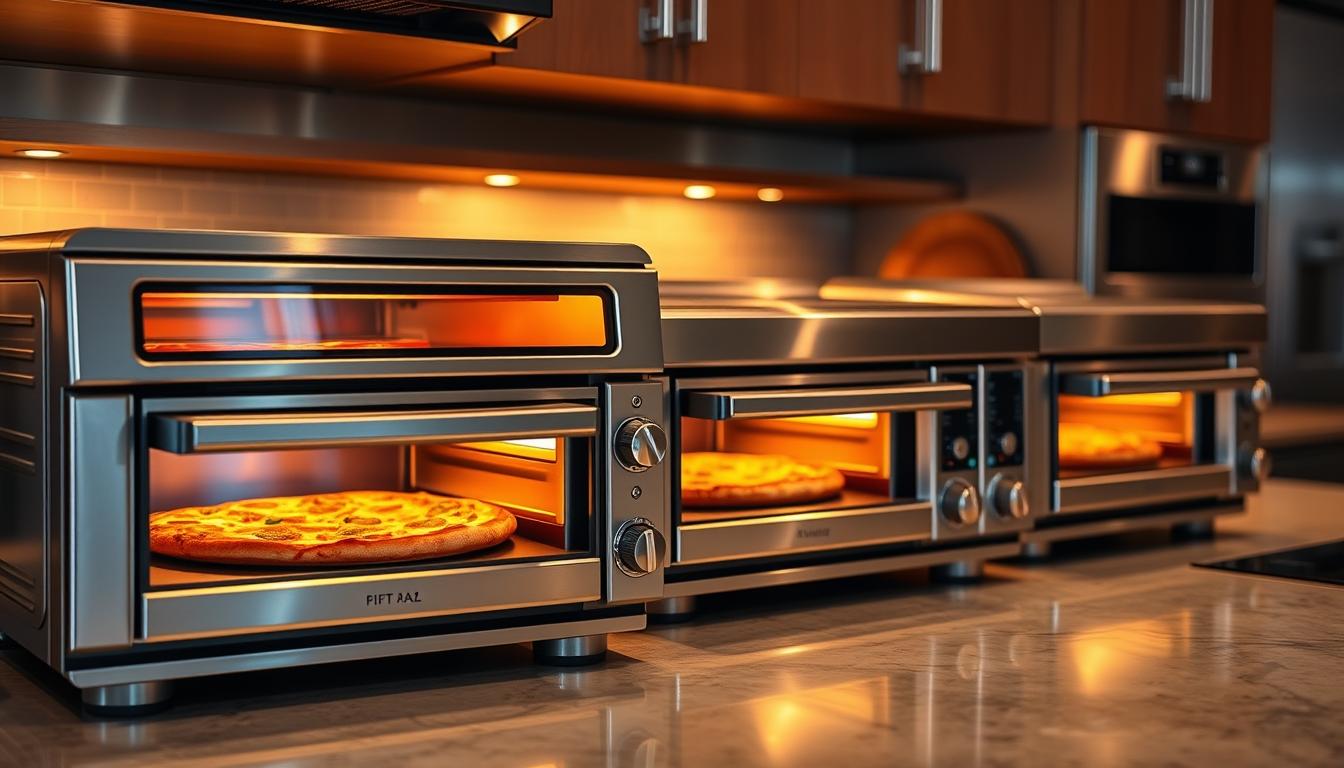


Ryan Conlon is a BBQ enthusiast and inspired chef on a journey through the smoky, savory world of outdoor cooking. Hailing from the heart of the Midwest, Ryan’s passion for grilling ignited during his early years, where family gatherings often revolved around the sizzle of the grill and the aroma of seasoned meats.