
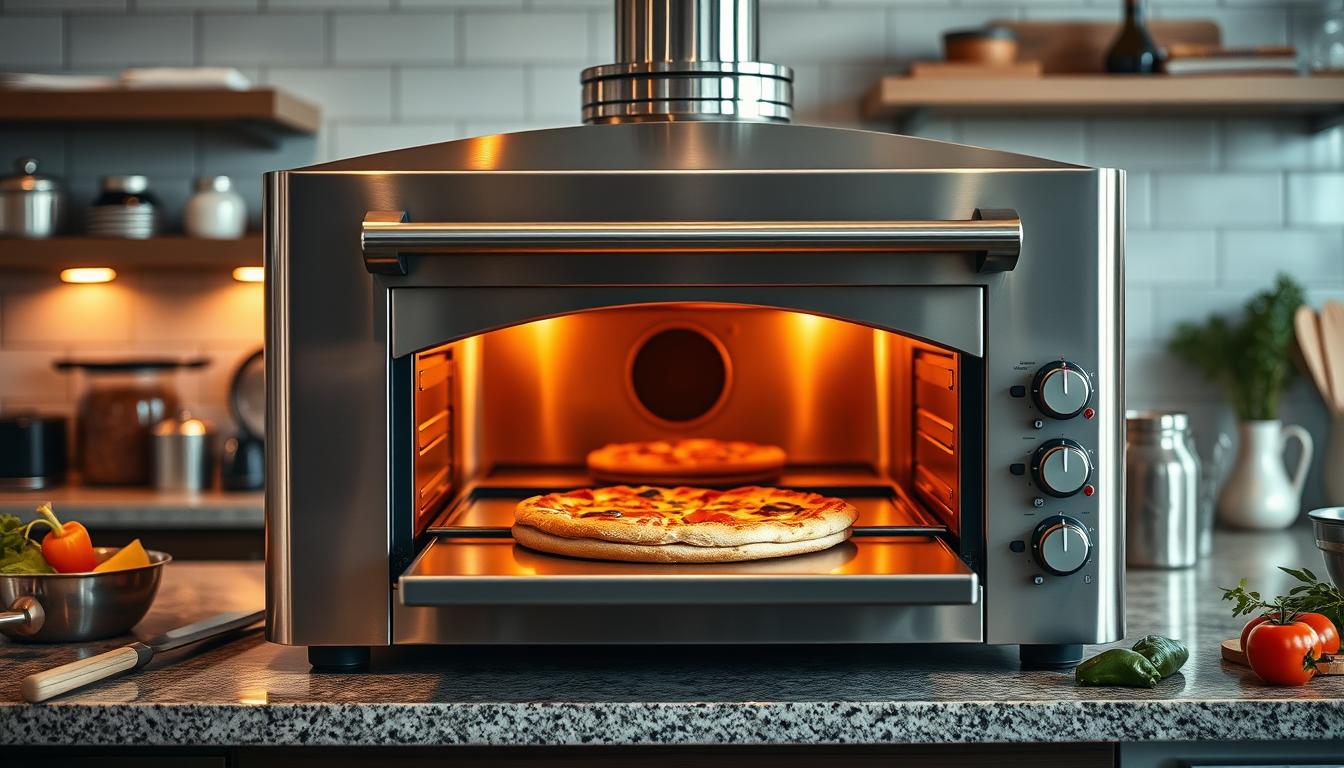
Gas Pizza Ovens For Home Use offer an excellent balance of convenience and performance for home cooks who want authentic pizza without the complexity of wood-fired cooking. These ovens heat up quickly, maintain consistent temperatures, and give you professional-quality results in your own backyard.
Unlike traditional wood-fired models, gas pizza ovens eliminate the guesswork of fuel management while still delivering the high heat needed for crispy crusts and perfectly melted cheese. They’re perfect for busy families who want restaurant-quality pizza without spending hours tending to a fire.
TL;DR
- Gas pizza ovens reach 800-900°F in 15-20 minutes, cooking pizzas in 2-3 minutes.
- Most models connect to standard 20-pound propane tanks or natural gas lines.
- Expect to spend $300-$3,000 depending on size and build quality.
- Gas ovens use 50-70% less fuel than wood-fired models while maintaining consistent heat.
Gas Pizza Ovens For Home Use: Key Benefits
Gas pizza ovens solve the main challenges that keep people from enjoying homemade pizza regularly. You get instant heat control with the turn of a knob, consistent cooking temperatures, and no need to source, store, or manage wood.
The convenience factor makes gas ovens ideal for weeknight dinners and impromptu gatherings. Most models heat up in under 20 minutes and maintain steady temperatures throughout your cooking session.
Temperature Control and Performance
Gas pizza ovens typically reach temperatures between 800-900°F, which is hot enough to cook authentic Neapolitan-style pizza in 2-3 minutes. The consistent heat distribution means every pizza comes out evenly cooked with a crispy bottom and perfectly melted toppings.
Many models include built-in thermometers and adjustable gas controls that let you fine-tune the temperature for different cooking styles. This precision is difficult to achieve with wood-fired pizza ovens that require constant attention to maintain optimal heat.
Types of Gas Pizza Ovens
Gas pizza ovens come in several configurations to match different spaces, budgets, and cooking needs. Understanding the main types helps you choose the right model for your situation.
Portable Gas Pizza Ovens
Portable models are perfect for renters, small spaces, or people who want flexibility in placement. These units typically weigh 40-80 pounds and can be moved around your patio or taken on camping trips.
- Countertop models – Compact units that sit on tables or outdoor counters.
- Cart-mounted ovens – Include wheels and storage space for accessories.
- Freestanding portables – Self-contained units with legs that fold for transport.
Built-in Gas Pizza Ovens
Built-in models integrate into outdoor kitchen designs and offer restaurant-quality performance. These ovens require professional installation but provide the most authentic pizza-making experience at home.
Built-in units typically feature larger cooking chambers, better insulation, and can often connect to natural gas lines for unlimited fuel supply. They’re the best choice if you’re planning a permanent outdoor cooking space.
Size Your Oven Right
A 12-inch pizza capacity works for most families, while 16-inch models handle larger groups. Measure your space and consider how many pizzas you’ll typically cook at once.
Fuel Options and Connections
Most gas pizza ovens run on either propane or natural gas, with some models offering dual-fuel capability. Propane models connect to standard 20-pound tanks that you can refill or exchange at most hardware stores and gas stations.
Natural gas models require a permanent gas line connection, which offers unlimited fuel but limits placement options. Natural gas typically costs less per BTU than propane, making it more economical for frequent use.
Fuel Consumption Rates
Gas pizza ovens are surprisingly efficient, using about 15,000-30,000 BTUs per hour during operation. A standard 20-pound propane tank provides 8-12 hours of cooking time, depending on your oven’s size and how often you open the door.
Compare this to gas-powered pizza ovens versus wood-fired models that can consume 15-20 pounds of wood per cooking session. The fuel savings add up quickly if you make pizza regularly.
Installation and Setup Requirements
Portable gas pizza ovens require minimal setup – just connect the propane tank, run through the initial seasoning process, and you’re ready to cook. Most models come with quick-connect fittings and clear instructions for first-time users.
Built-in models need professional installation to ensure proper ventilation, gas connections, and structural support. Factor installation costs of $500-$1,500 into your budget for permanent installations.
Safety Considerations
Gas pizza ovens include several safety features like automatic shut-off valves, flame failure protection, and proper ventilation systems. Always place portable units on stable, level surfaces away from combustible materials.
- Clearance requirements – Maintain 3-feet clearance from structures and overhangs.
- Ventilation needs – Never use gas ovens in enclosed spaces without proper ventilation.
- Regular maintenance – Clean burners and check connections before each season.
Comparing Gas vs Other Pizza Oven Types
Gas pizza ovens offer unique advantages compared to wood-fired, electric, and multi-function pizza ovens. Understanding these differences helps you make the right choice for your cooking style and preferences.
Gas models heat up faster than wood-fired ovens but don’t provide the smoky flavor that some pizza enthusiasts prefer. They’re more powerful than electric models but require outdoor installation or proper ventilation.
Performance Comparison
| Feature | Gas | Wood-fired | Electric |
|---|---|---|---|
| Heat-up Time | 15-20 minutes | 45-60 minutes | 10-15 minutes |
| Max Temperature | 800-900°F | 900-1000°F | 500-700°F |
| Fuel Cost | $2-4 per session | $5-8 per session | $1-2 per session |
| Flavor | Clean, neutral | Smoky, complex | Clean, neutral |
Maintenance and Care
Gas pizza ovens require minimal maintenance compared to wood-fired models since there’s no ash cleanup or chimney maintenance. Regular cleaning and seasonal checkups keep your oven running safely and efficiently.
Clean the cooking surface after each use while it’s still warm, and perform deeper cleaning monthly if you cook frequently. Check gas connections and burners at the start of each season to ensure everything works properly.
Seasonal Storage
Portable gas pizza ovens should be stored in dry locations during winter months in cold climates. Remove propane tanks and cover the oven to protect it from moisture and debris.
Built-in models can withstand weather year-round with proper covers, but it’s still smart to disconnect propane tanks during extended periods of non-use. This prevents potential leaks and extends the life of your gas connections.
Budget Considerations and Value
Gas pizza oven prices range from $300 for basic portable models to $3,000+ for premium built-in units. Budget friendly pizza ovens in the $400-800 range offer excellent performance for most home cooks.
Consider the total cost of ownership, including fuel, maintenance, and accessories when comparing models. Gas ovens typically cost less to operate than wood-fired models over time, especially if you make pizza regularly.
Frequently Asked Questions
How long do gas pizza ovens take to heat up?
Most gas pizza ovens reach cooking temperature (800-900°F) in 15-20 minutes, much faster than wood-fired models that need 45-60 minutes.
Can I use a gas pizza oven indoors?
No, gas pizza ovens produce carbon monoxide and require outdoor use or proper commercial ventilation systems designed for gas appliances.
How much propane does a gas pizza oven use?
A typical session uses 1-2 pounds of propane, so a 20-pound tank provides 8-12 cooking sessions depending on your oven size and usage patterns.
Do gas pizza ovens need seasoning like cast iron?
Yes, new gas pizza ovens require initial seasoning with oil at high heat to create a non-stick surface and remove manufacturing residues.
Can gas pizza ovens cook foods other than pizza?
Absolutely – gas pizza ovens excel at bread, roasted vegetables, steaks, and any food that benefits from high heat cooking.
Final Thoughts
Gas Pizza Ovens For Home Use provide the perfect entry point into serious pizza making without the complexity of wood-fired cooking. They offer consistent results, convenient operation, and professional-quality performance that makes homemade pizza a regular possibility rather than a special occasion.
Start by determining your space, budget, and cooking frequency to choose between portable and built-in models. With proper care, a quality gas pizza oven will provide years of delicious meals and memorable gatherings with family and friends.


Ryan Conlon is a BBQ enthusiast and inspired chef on a journey through the smoky, savory world of outdoor cooking. Hailing from the heart of the Midwest, Ryan’s passion for grilling ignited during his early years, where family gatherings often revolved around the sizzle of the grill and the aroma of seasoned meats.