
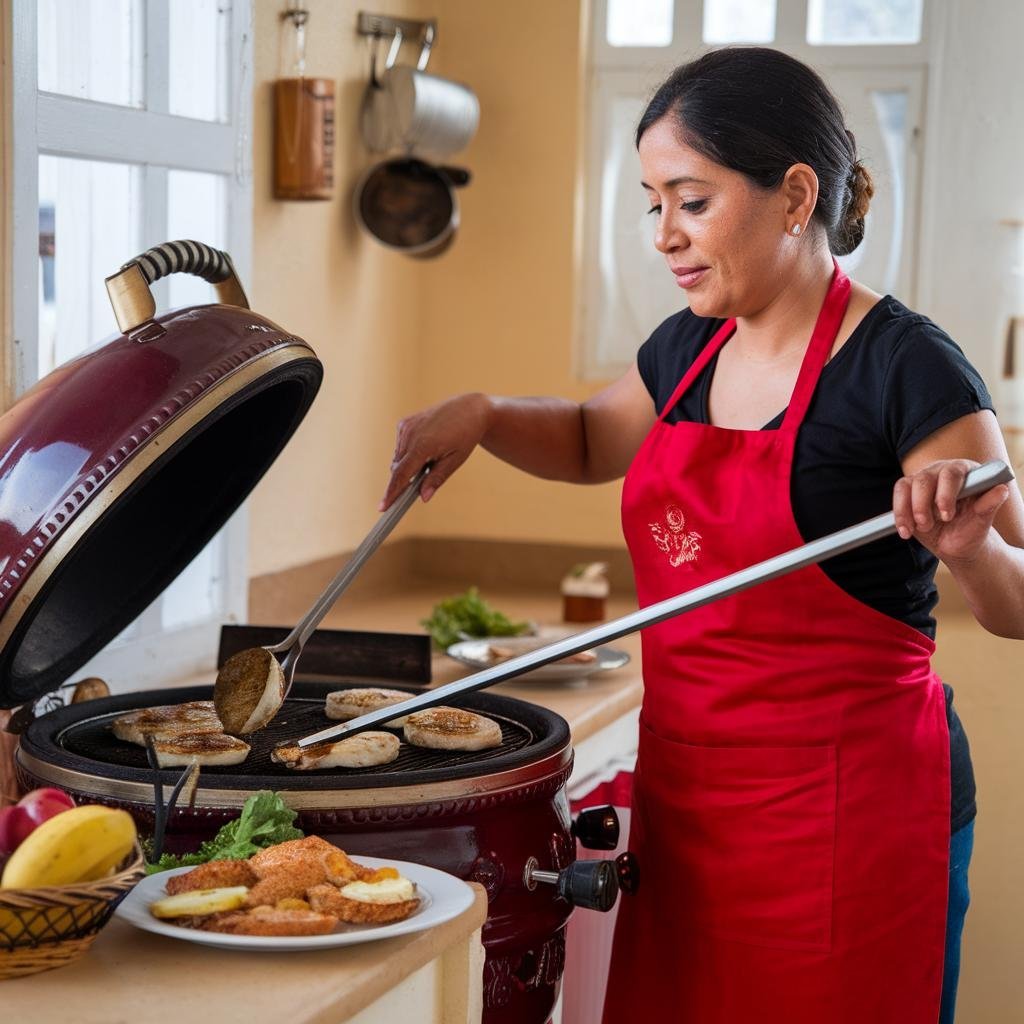
Grill Safety 101 starts with understanding that outdoor cooking presents unique risks that indoor cooking doesn’t. Every year, thousands of fires, burns, and accidents happen because grillers skip basic safety steps that take just minutes to implement.
Whether you’re firing up a gas grill for the first time or you’ve been grilling for years, these safety fundamentals will keep you and your guests safe while you create amazing food. Most grilling accidents are completely preventable when you follow proven safety practices.
TL;DR
- Keep your grill at least 10 feet away from any structure, deck railing, or overhanging branches.
- Check gas connections with soapy water before each grilling session – bubbles indicate dangerous leaks.
- Have a fire extinguisher rated for grease fires within 30 seconds of your grill at all times.
- Never leave your grill unattended and always have someone designated to watch it during parties.
Grill Safety 101 Fundamentals
Proper grill placement forms the foundation of safe outdoor cooking. Your grill needs adequate clearance on all sides to prevent fires from spreading to nearby structures or vegetation.
Gas grills require extra attention to connections and fittings that can develop leaks over time. A simple soap test before lighting can prevent dangerous gas buildup that leads to flash fires or explosions.
Essential Pre-Grilling Safety Checks
- Location Check – Position grill 10+ feet from house, deck railings, trees, and outdoor furniture.
- Gas Connection Test – Apply soapy water to all fittings and look for bubbles indicating leaks.
- Propane Tank Inspection – Check for dents, rust, or damage before connecting.
- Grill Grate Condition – Ensure grates are secure and free from excessive buildup.
- Drip Tray Status – Empty and clean to prevent grease fires.
Fire Safety and Emergency Preparedness
Grease fires happen fast and spread quickly if you’re not prepared with the right tools and knowledge. Water makes grease fires worse, so having the correct fire suppression method nearby saves property and lives.
A Class K fire extinguisher designed for grease fires should be your first line of defense. Baking soda works for small flare-ups, but serious fires need professional-grade suppression.
Emergency Response Plan
- Turn off gas supply. Shut the valve at the tank first, then the grill controls.
- Remove food if safe. Get anything that might fuel the fire away from the grill.
- Use proper suppression. Class K extinguisher for large fires, baking soda for small flare-ups.
- Call for help. Don’t hesitate to call 911 for fires that don’t extinguish immediately.
Personal Safety Equipment and Practices
Your clothing and personal protective equipment make a huge difference in preventing burns and injuries. Loose clothing, synthetic fabrics, and inappropriate footwear create unnecessary risks around open flames and hot surfaces.
Heat-resistant gloves improve safety significantly when handling hot grill components or moving food around high-temperature zones.
Proper Grilling Attire
- Heat-Resistant Gloves – Protect hands when adjusting vents, moving grates, or handling hot food.
- Closed-Toe Shoes – Prevent burns from dropped coals or hot grease splatter.
- Natural Fiber Clothing – Cotton and wool are safer than synthetic materials that melt.
- BBQ Apron – A quality BBQ apron provides safety and practical benefits including protection from grease splatter.
Keep a Spray Bottle Handy
Fill a spray bottle with water to control minor flare-ups without opening the grill lid completely. This gives you quick control while maintaining cooking temperature.
Gas Grill Specific Safety Measures
Gas grills present unique hazards that charcoal grills don’t, particularly around gas leaks and proper lighting procedures. Following manufacturer instructions exactly prevents the majority of gas-related accidents.
Never attempt to light a gas grill with the lid closed, and always light the match or lighter before turning on the gas. This prevents gas buildup that can cause dangerous flashback when ignited.
Safe Gas Grill Operation
- Open Lid First – Always lift the lid before lighting to prevent gas accumulation.
- Light Immediately – Turn gas on and light within 5 seconds to prevent buildup.
- Check for Leaks Monthly – Test connections with soap solution regularly.
- Store Tanks Properly – Keep propane tanks upright and away from heat sources.
Charcoal and Wood Fire Safety
Charcoal and wood fires require different safety approaches than gas grills, particularly around ash disposal and ember control. Hot coals remain dangerous for hours after cooking ends, even when they appear extinguished.
Using a chimney starter makes charcoal grilling safer because it eliminates the need for lighter fluid that can cause flare-ups and burns.
Charcoal Safety Protocols
- Use Chimney Starter. Avoid lighter fluid which creates unpredictable flames and chemical residue.
- Control Airflow. Proper airflow management prevents dangerous temperature spikes.
- Dispose of Ash Safely. Let coals cool completely and store ash in metal containers away from combustibles.
- Monitor Wind Conditions. Strong winds can blow sparks and make temperature control difficult.
Food Safety While Grilling
Food safety becomes more challenging outdoors where temperature control is less precise and cross-contamination risks increase. Using accurate BBQ thermometers ensures food reaches safe internal temperatures.
Keep raw and cooked foods separate using different plates, utensils, and cutting boards. The outdoor environment makes it easy to forget which plate held raw meat, leading to dangerous cross-contamination.
Safe Food Handling Practices
- Separate Raw and Cooked – Use different plates and utensils for raw and finished food.
- Monitor Internal Temperatures – Choose reliable digital thermometers and know safe minimum temperatures.
- Keep Cold Food Cold – Use coolers with ice to maintain proper temperatures for perishables.
- Don’t Leave Food Out – Follow the 2-hour rule (1 hour when temperatures exceed 90°F).
Frequently Asked Questions
How far should my grill be from my house?
Keep your grill at least 10 feet away from your house, deck railings, overhanging branches, or any combustible materials. This distance prevents fires from spreading to structures.
What type of fire extinguisher do I need for grilling?
Use a Class K fire extinguisher designed specifically for grease fires. Standard ABC extinguishers can work but Class K units are most effective for cooking fires.
How do I safely check for gas leaks?
Mix equal parts water and liquid dish soap, then brush the solution onto all gas connections and fittings. Bubbles forming indicate gas leaks that need immediate attention.
Is it safe to grill in windy conditions?
Avoid grilling when winds exceed 15-20 mph as they can blow sparks, make temperature control difficult, and spread fires quickly. Wait for calmer conditions.
How long do I need to wait before disposing of charcoal ash?
Wait at least 48 hours after grilling before disposing of charcoal ash. Store cooled ash in a metal container with a tight lid, away from combustible materials.
Final Thoughts
Grill Safety 101 principles become second nature when you practice them consistently at every grilling session. Following comprehensive BBQ safety tips protects your family, guests, and property while you enjoy outdoor cooking.
Start implementing these safety measures this week, beginning with proper grill placement and emergency equipment. Safe grilling habits developed early will serve you well for years of enjoyable outdoor cooking.


Ryan Conlon is a BBQ enthusiast and inspired chef on a journey through the smoky, savory world of outdoor cooking. Hailing from the heart of the Midwest, Ryan’s passion for grilling ignited during his early years, where family gatherings often revolved around the sizzle of the grill and the aroma of seasoned meats.