
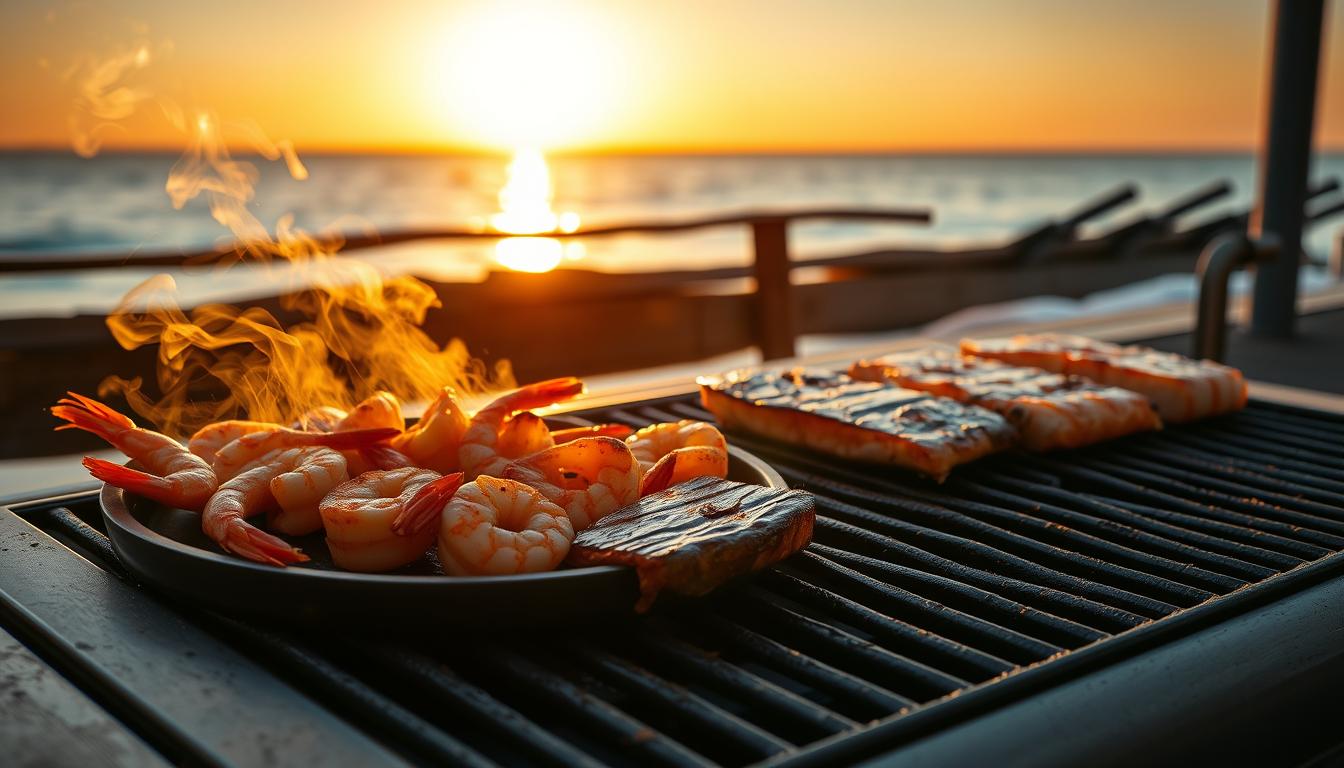
Grilling Techniques For Fish Seafood can transform your backyard cookouts with tender, flaky results that rival any restaurant. Fish and seafood require different approaches than traditional meats, but once you master the basics, you’ll discover a whole new world of outdoor cooking possibilities.
The key to successful seafood grilling lies in understanding heat zones, timing, and proper preparation methods. Whether you’re working with delicate fillets or sturdy shellfish, the right technique makes all the difference between perfectly cooked seafood and a disappointing mess that falls through the grates.
TL;DR
- Fish needs 8-10 minutes per inch of thickness using medium-high heat (400-450°F).
- Oil the grill grates and fish skin to prevent sticking – use 1-2 tablespoons of high-heat oil.
- Flip fish only once when it releases easily from the grates, typically after 4-6 minutes.
- Internal temperature should reach 145°F for most fish, while shrimp turns pink and opaque in 2-3 minutes per side.
Grilling Techniques For Fish Seafood: Essential Setup
Success starts with proper grill preparation and temperature control. Clean your grates thoroughly and preheat your grill to medium-high heat, around 400-450°F for most fish varieties.
Oil both your grill grates and the fish itself to create a non-stick barrier. Use oils with high smoke points like avocado, grapeseed, or canola oil, applying them with a paper towel held by tongs for safety.
Temperature Zones for Different Seafood
Different types of seafood require specific temperature approaches for optimal results. Direct vs indirect grilling methods both play important roles in seafood preparation.
- Delicate fish (sole, flounder) – Medium heat (350-375°F) with shorter cooking times.
- Firm fish (salmon, tuna, mahi-mahi) – Medium-high heat (400-450°F) for better searing.
- Shellfish (shrimp, scallops) – High heat (450-500°F) for quick cooking and caramelization.
- Whole fish – Medium heat (350-375°F) using indirect cooking methods.
Preparing Fish for the Grill
Proper preparation prevents common grilling disasters like sticking or falling apart. Pat your fish completely dry with paper towels, as moisture creates steam that prevents proper searing.
Season fish 15-30 minutes before grilling to allow flavors to penetrate. Salt draws out moisture initially, then gets reabsorbed along with other seasonings for better taste throughout.
Choosing the Right Cut
Fish selection directly impacts your grilling success. Thicker cuts (1 inch or more) handle direct heat better and are less likely to overcook or fall apart.
- Skin-on fillets – Easier to flip and natural non-stick protection.
- Steaks – Most forgiving for beginners, hard to overcook.
- Whole fish – Impressive presentation but requires careful timing.
- Skinless fillets – Need extra care and possibly foil or cedar planks.
Timing and Flipping Techniques
The golden rule for fish grilling is the 10-minute rule – cook fish for 10 minutes per inch of thickness at medium-high heat. This guideline works for most cooking methods and fish types.
Resist the urge to flip too early or too often. Fish will naturally release from the grates when it’s ready to turn, usually after 4-6 minutes for average thickness fillets.
Signs Your Fish Is Ready to Flip
Visual and tactile cues tell you when fish is properly seared and ready to turn. Achieving the perfect sear requires patience and attention to these indicators.
- Easy release. Fish lifts cleanly when you slide a spatula underneath.
- Grill marks. Visible sear marks indicate proper caramelization has occurred.
- Color change. Fish turns opaque about 1/4 inch up from the bottom.
- Firm edges. The cooked portion feels firm when gently pressed.
Cedar Plank Secret
Soak cedar planks for 2-4 hours before grilling to prevent burning. The moist wood creates aromatic steam that infuses fish with smoky flavor while protecting delicate flesh from direct heat.
Shellfish Grilling Methods
Shrimp, scallops, and other shellfish cook much faster than fish and require different approaches. High heat and quick cooking times preserve their tender texture and prevent rubberiness.
Thread shrimp on skewers or use a grill basket to prevent them from falling through the grates. Leave space between pieces for even heat circulation and proper browning.
Shellfish Cooking Times
- Large shrimp – 2-3 minutes per side until pink and opaque.
- Scallops – 2-4 minutes per side depending on size.
- Lobster tails – 5-8 minutes flesh-side down, then flip.
- Clams and mussels – 5-10 minutes until shells open completely.
Common Mistakes to Avoid
Even experienced grillers make errors when switching from meat to seafood. Understanding these pitfalls helps you avoid frustration and wasted ingredients.
Overcooking remains the biggest mistake with seafood grilling. Fish continues cooking from residual heat even after removal from the grill, so pull it slightly before your target doneness.
Temperature and Timing Errors
Using a reliable digital thermometer eliminates guesswork and prevents overcooking. Choosing the right digital thermometer ensures consistent results every time you grill seafood.
- Too high heat – Burns exterior while leaving interior raw.
- Moving fish too early – Tears flesh and creates sticking problems.
- Skipping the oil – Leads to sticking and difficult cleanup.
- Ignoring carryover cooking – Results in dry, overcooked seafood.
Marinades and Seasonings
Fish and seafood benefit from lighter marinades compared to red meat. Acidic ingredients like lemon, lime, or vinegar can actually “cook” delicate fish if left too long.
Limit acidic marinades to 30 minutes or less for most fish. Oil-based marinades with herbs can be used for longer periods without negative effects on texture.
Quick Seasoning Blends
Simple seasonings often work best with seafood, allowing natural flavors to shine through. BBQ rubs and seasonings can be adapted for seafood with lighter applications.
- Lemon herb – Dried herbs, lemon zest, salt, and black pepper.
- Cajun style – Paprika, cayenne, garlic powder, and thyme.
- Mediterranean – Oregano, basil, garlic, and olive oil.
- Asian inspired – Ginger, soy sauce, sesame oil, and rice vinegar.
Grilling Accessories for Seafood Success
The right tools make seafood grilling safer and more successful. Invest in quality accessories designed specifically for delicate proteins.
A fish basket allows you to flip entire fish easily while keeping pieces intact. Grill mats provide a non-stick surface for very delicate items while still allowing grill flavors to develop.
Must-Have Seafood Grilling Tools
Having the proper equipment prevents disasters and makes the entire process more enjoyable. Essential BBQ tools include several items specifically helpful for seafood preparation.
- Wide fish spatula – Thin, flexible blade supports delicate fillets during flipping.
- Grill basket – Contains small pieces and prevents them from falling through.
- Cedar planks – Protect fish while adding smoky flavor.
- Instant-read thermometer – Ensures proper doneness without guesswork.
Frequently Asked Questions
How do I prevent fish from sticking to the grill?
Oil both the grill grates and the fish itself, ensure the grill is properly preheated, and don’t attempt to flip until the fish releases naturally from the grates.
What internal temperature should fish reach when grilled?
Most fish should reach an internal temperature of 145°F according to FDA guidelines, though some prefer tuna and salmon slightly less cooked at 125-130°F for medium-rare.
Can I grill frozen fish directly?
It’s better to thaw fish completely before grilling for even cooking, but if grilling from frozen, add 50% more cooking time and use indirect heat initially.
How long should I marinate fish before grilling?
Limit acidic marinades to 30 minutes or less, while oil-based marinades can be used for 2-4 hours without damaging the fish’s texture.
What’s the best way to grill whole fish?
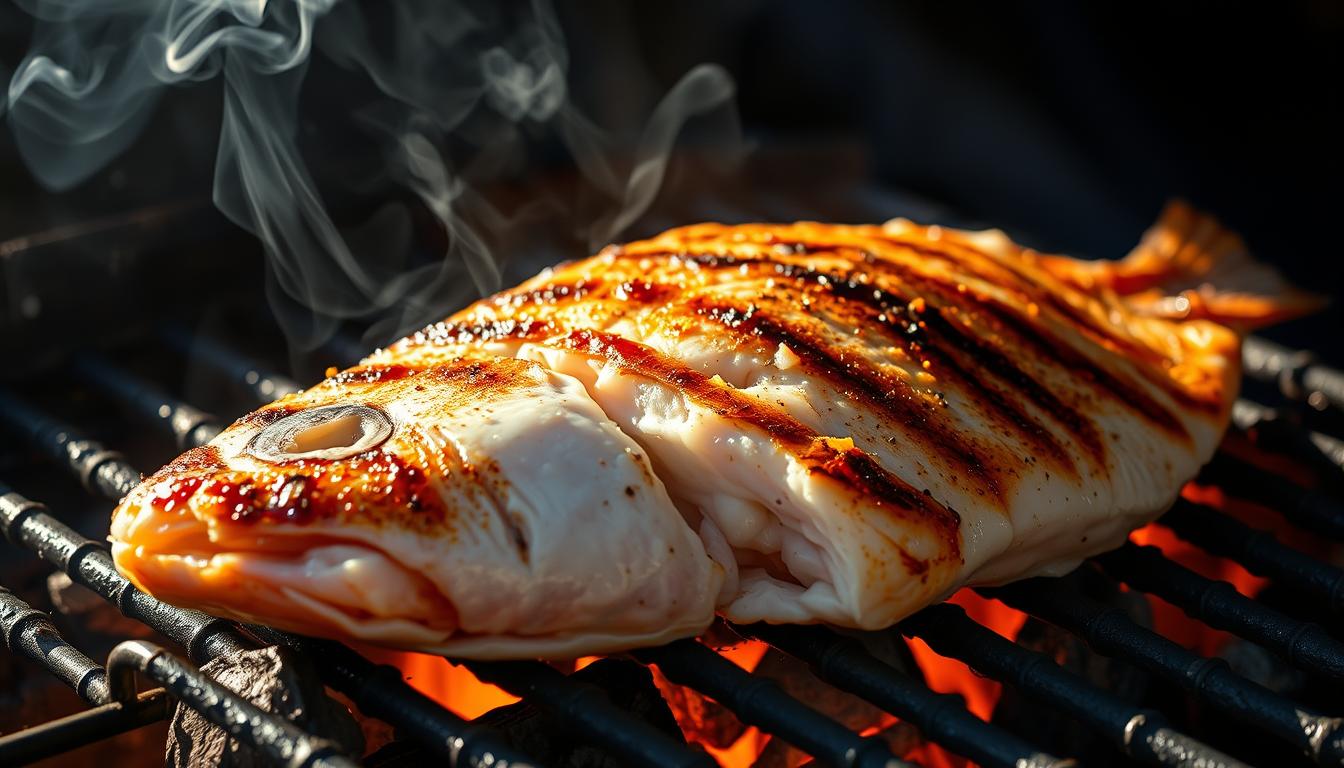
Use indirect heat at 350-375°F, stuff the cavity with herbs and lemon, and allow 15-20 minutes per pound depending on size.
Final Thoughts
Grilling Techniques For Fish Seafood open up endless possibilities for outdoor cooking adventures beyond traditional burgers and steaks. With proper temperature control, timing, and preparation methods, you’ll create restaurant-quality results that impress family and guests.
Start with firmer fish varieties like salmon or tuna to build confidence, then branch out to more delicate options as your skills develop. The key is practice and patience – soon you’ll be grilling seafood like a seasoned pro.

Ryan Conlon is a BBQ enthusiast and inspired chef on a journey through the smoky, savory world of outdoor cooking. Hailing from the heart of the Midwest, Ryan’s passion for grilling ignited during his early years, where family gatherings often revolved around the sizzle of the grill and the aroma of seasoned meats.