
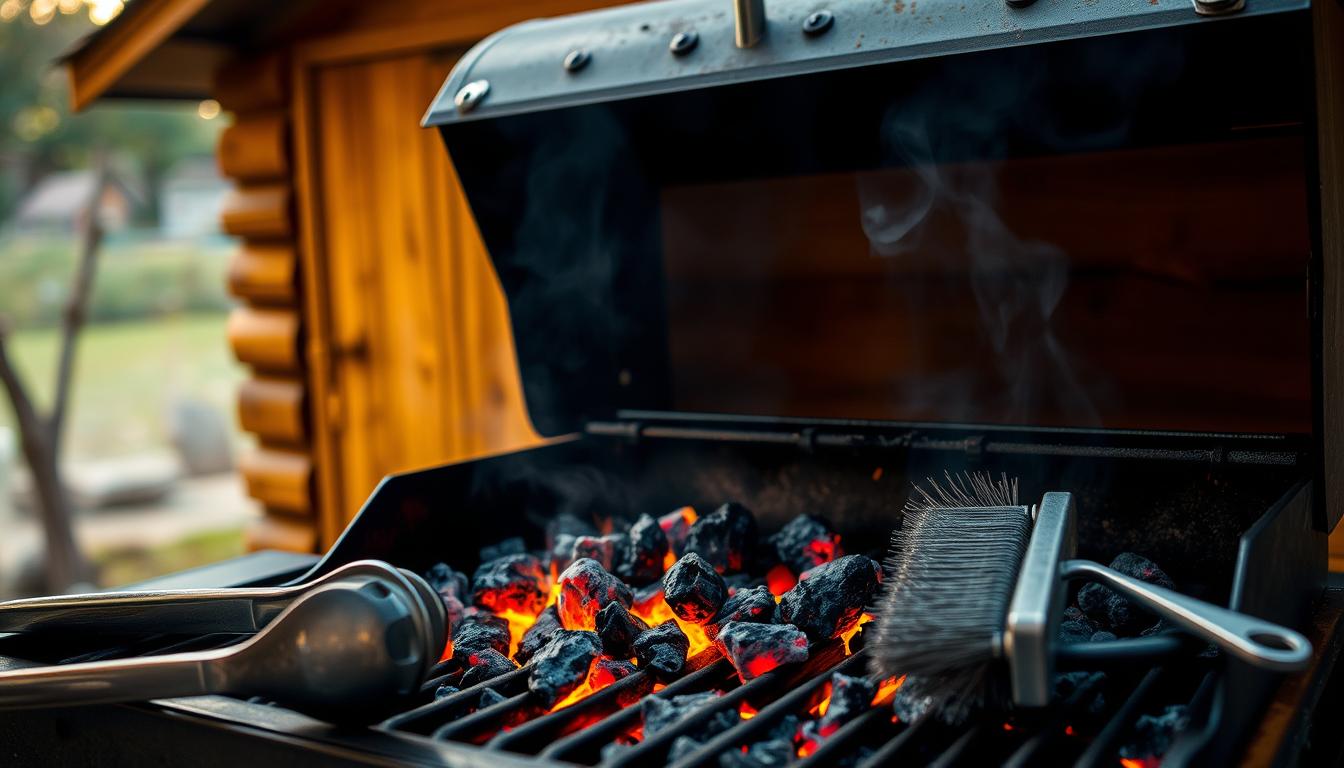
How Proper Airflow Improves Charcoal And Wood Fired Cooking is the foundation of successful outdoor cooking with natural fuel sources. Managing air circulation correctly determines whether you achieve consistent temperatures, clean smoke flavor, and efficient fuel burn.
Most backyard cooks struggle with temperature swings and bitter smoke because they don’t understand how air moves through their grill or smoker. Learning to control airflow transforms your cooking from guesswork into predictable results every time you fire up your equipment.
TL;DR
- Bottom vents control oxygen intake – open them 25-50% for low and slow cooking temperatures around 225-250°F.
- Top vents manage heat retention and smoke evacuation – keep them 50-75% open to maintain steady airflow without heat loss.
- The chimney effect draws air through your fuel bed when bottom intake and top exhaust vents work together properly.
- Clean blue or white smoke indicates good airflow, while thick gray or black smoke signals restricted air circulation needs adjustment.
How Proper Airflow Improves Charcoal And Wood Fired Cooking
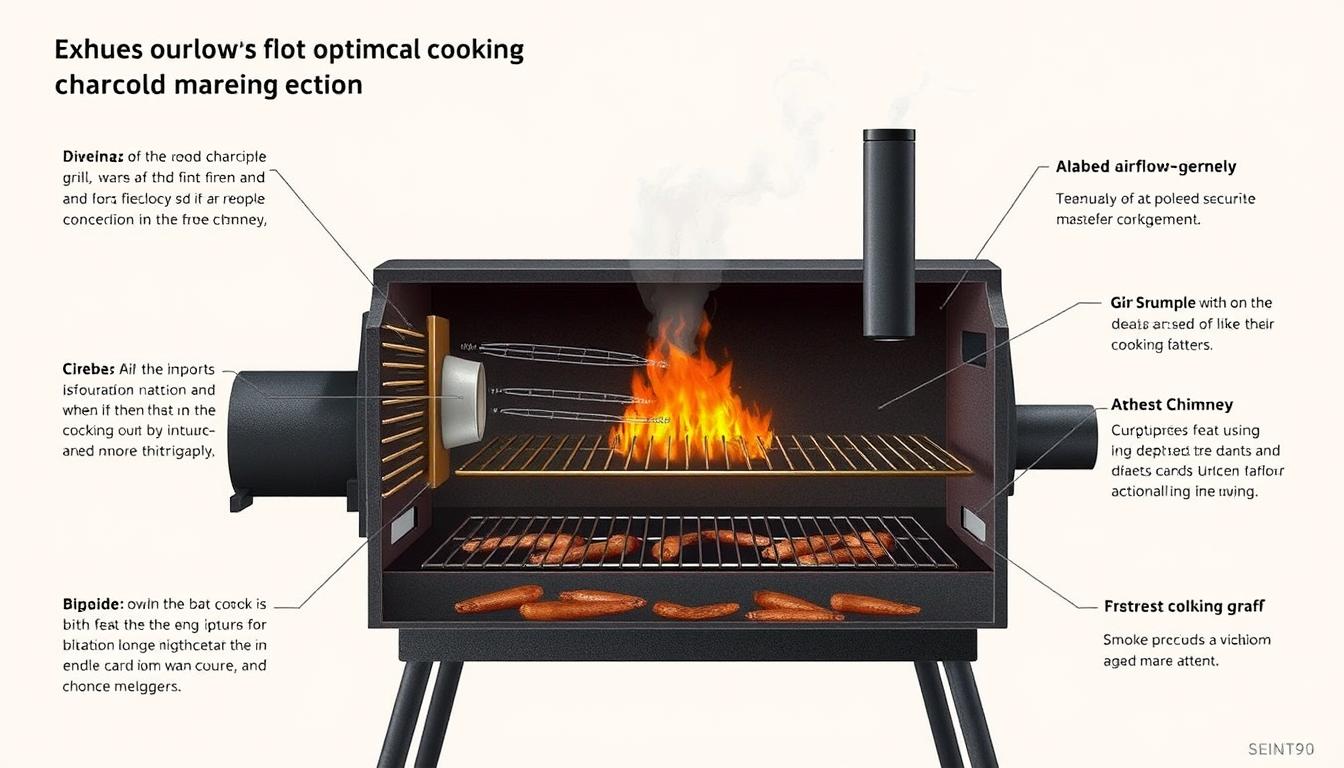
Airflow creates the engine that drives combustion in your grill or smoker. Oxygen enters through bottom vents, feeds the fire, and hot gases escape through top vents or chimneys, creating natural circulation that maintains steady temperatures.
This circulation pattern – called the chimney effect – works because hot air rises and creates suction that pulls fresh air into the firebox. When you understand this basic principle, you can manipulate your vents to achieve any temperature range from 200°F for slow smoking to 500°F+ for searing.
The Science Behind Combustion Control
Complete combustion requires the right air-to-fuel ratio for clean burning. Too little oxygen creates incomplete combustion, producing thick smoke with bitter compounds that make food taste harsh and acrid.
Proper airflow ensures your charcoal or wood burns efficiently, creating the thin blue smoke that adds pleasant flavor without overpowering your meat. This clean burn also produces more consistent heat output, making temperature management much easier throughout long cooking sessions.
Bottom Vent Management for Temperature Control
Bottom vents act as your primary temperature control because they regulate oxygen supply to the fuel bed. More oxygen means hotter fire, while restricting air intake lowers temperatures and slows the burn rate.
Start with bottom vents 50% open for most cooking scenarios, then adjust based on your target temperature. For low and slow smoking at 225-250°F, you’ll typically need vents only 25-40% open once your fire stabilizes.
- Fully open – Use during startup to establish your fire quickly and when searing at high heat.
- 50-75% open – Good starting point for medium heat grilling around 300-350°F.
- 25-50% open – Maintains low smoking temperatures between 225-275°F.
- Nearly closed – Only for holding very low temperatures or when shutting down your fire.
Reading Your Fire Through Vent Adjustments
Temperature response to vent changes takes 10-15 minutes, so make small adjustments and wait before tweaking further. Opening bottom vents by 10-20% typically raises temperatures by 25-50°F once the system stabilizes.
If temperatures climb too quickly after opening vents, your fuel bed might be too large or densely packed. Managing temperature on a charcoal smoker becomes easier when you understand these fundamental airflow principles.
Top Vent Function and Heat Retention
Top vents control heat retention and smoke evacuation rather than primary temperature control. Closing top vents too much traps heat but also creates stagnant air that leads to dirty smoke and temperature spikes.
Keep top vents 50-75% open during most cooking to maintain steady airflow while retaining heat. Only close them partially when fighting wind or trying to hold very low temperatures for extended periods.
Wind Management Strategy
Position your exhaust vent away from prevailing wind to prevent backdraft that disrupts airflow patterns. Strong winds can create negative pressure that pulls air backward through your system.
Smoke Quality Indicators
Good airflow produces thin, almost invisible smoke with a slight blue or white tint. Thick, billowing gray or black smoke indicates poor airflow that needs immediate attention through vent adjustments.
When you see clean smoke, your airflow balance is working correctly. Dense smoke not only creates bitter flavors but also signals incomplete combustion that wastes fuel and creates temperature instability.
Fuel Arrangement for Optimal Air Circulation
How you arrange charcoal or wood directly affects airflow patterns through your cooking chamber. Tightly packed fuel restricts air movement, while proper spacing creates channels for oxygen to reach all burning surfaces.
Build your fire with gaps between fuel pieces to allow air circulation. Stack charcoal in a loose pyramid during startup, then spread it out with spaces between briquettes or chunks for sustained cooking.
Creating Air Channels
Place larger pieces of charcoal or wood on the bottom of your fuel bed with smaller pieces on top. This arrangement creates natural air channels while ensuring smaller fuel catches fire from larger base pieces.
Avoid creating a solid wall of fuel against one side of your firebox. Leave space around the edges for air to circulate freely and prevent dead zones where combustion struggles to maintain itself.
Common Airflow Problems and Solutions
Temperature swings often result from airflow disruption rather than fuel problems. Sudden temperature drops usually indicate restricted air intake, while spikes suggest too much oxygen reaching the fire bed.
Ash buildup blocks air passages over time, so clean out accumulated ash regularly during long cooks. Most grills and smokers need ash removal every 4-6 hours during extended smoking sessions to maintain proper airflow.
- Stalled temperatures – Check for ash blocking bottom vents or fuel bed too tightly packed.
- Dirty smoke – Increase bottom vent opening slightly and ensure top vents aren’t overly restricted.
- Rapid temperature rise – Close bottom vents partially and check for air leaks in your cooking chamber.
- Uneven cooking – Verify heat deflectors or water pans aren’t blocking air circulation paths.
Seasonal Airflow Adjustments
Cold weather requires different airflow management because dense air carries more oxygen per volume. You’ll need to close vents more than usual in winter to maintain the same temperatures you achieve easily in summer.
High altitude also affects combustion because thinner air contains less oxygen. Open vents wider at elevation to compensate for reduced oxygen density, and expect longer startup times for your fire to establish properly.
Equipment-Specific Airflow Considerations
Offset smokers require different airflow management than kettle grills or kamado-style cookers. Each design creates unique air circulation patterns that affect how you should adjust vents for optimal performance.
Kamado grills hold heat efficiently but can run away with temperature if you don’t control airflow carefully. Their thick walls and tight seals mean small vent adjustments create larger temperature changes than in thinner-walled equipment.
Offset Smoker Airflow
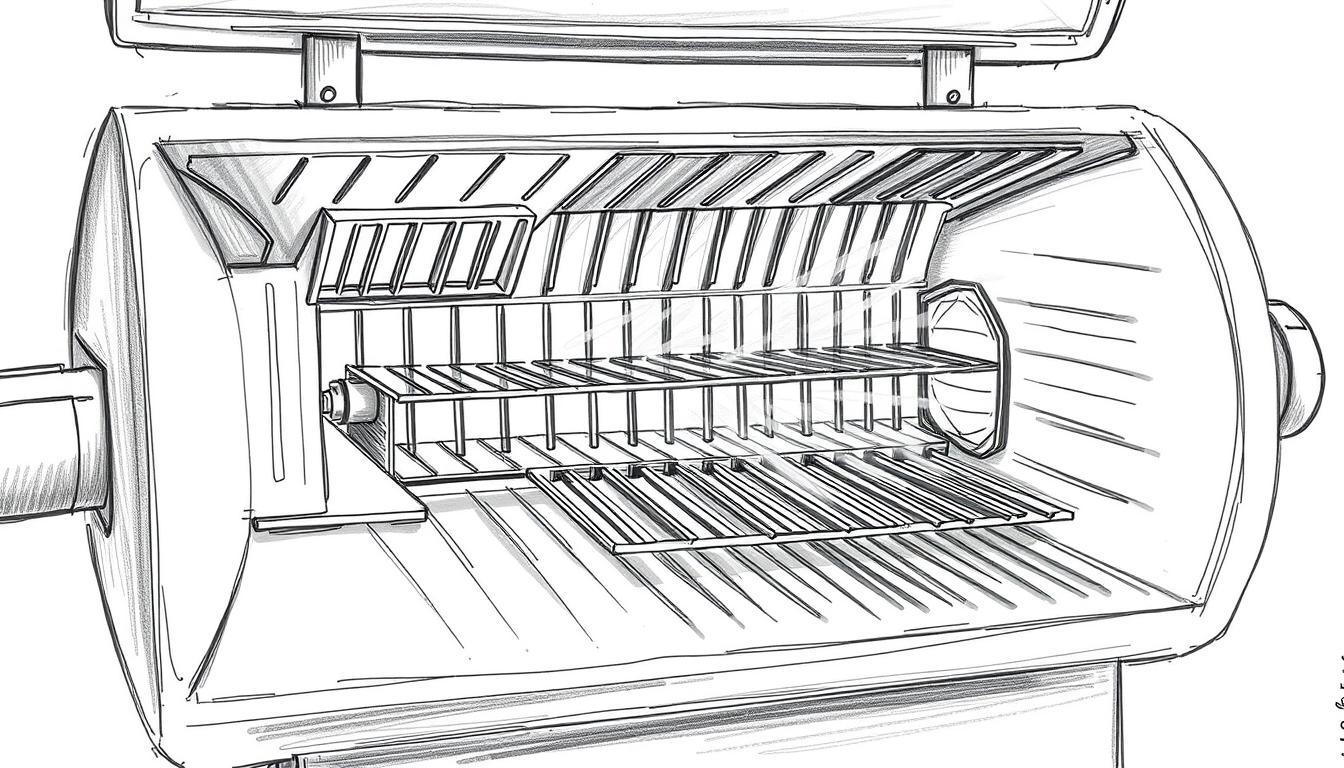
Offset smokers draw air through the firebox, across the cooking chamber, and out the chimney. This horizontal airflow pattern requires keeping the firebox damper and chimney vent properly balanced to maintain even temperatures.
Position your chimney damper fully open and control temperature primarily through the firebox air intake. This setup ensures good smoke evacuation while giving you precise temperature control through oxygen management.
Kettle Grill Management
Kettle grills use simple top and bottom vent systems that respond quickly to adjustments. Two-zone grilling setups work particularly well because you can create different airflow patterns within the same cooking space.
Place your bottom vents directly under your coal bed for maximum control, and use the top vent to fine-tune heat retention. The compact design means temperature changes happen faster than in larger smokers.
Frequently Asked Questions
Should I keep my bottom vents fully open during startup?
Yes, open all vents fully during startup to establish your fire quickly, then adjust them down once you reach your target temperature range.
How long does it take for vent adjustments to affect temperature?
Temperature changes typically take 10-15 minutes to stabilize after vent adjustments, so be patient and avoid making rapid changes.
What causes temperature spikes even with vents closed down?
Air leaks in gaskets, doors, or joints can cause uncontrolled airflow that leads to temperature spikes regardless of vent settings.
Can I close the top vent completely to hold heat?
Closing the top vent completely stops airflow and creates stagnant conditions that produce dirty smoke and uneven temperatures.
Final Thoughts
How Proper Airflow Improves Charcoal And Wood Fired Cooking becomes clear once you understand the relationship between oxygen, combustion, and heat control. Master these airflow principles and you’ll cook with confidence regardless of weather conditions or fuel type.
Start practicing with small vent adjustments during your next cook and observe how your equipment responds. Building this intuitive understanding takes time, but the results – consistent temperatures and clean smoke flavor – make the effort worthwhile for every outdoor cooking session.

Ryan Conlon is a BBQ enthusiast and inspired chef on a journey through the smoky, savory world of outdoor cooking. Hailing from the heart of the Midwest, Ryan’s passion for grilling ignited during his early years, where family gatherings often revolved around the sizzle of the grill and the aroma of seasoned meats.