
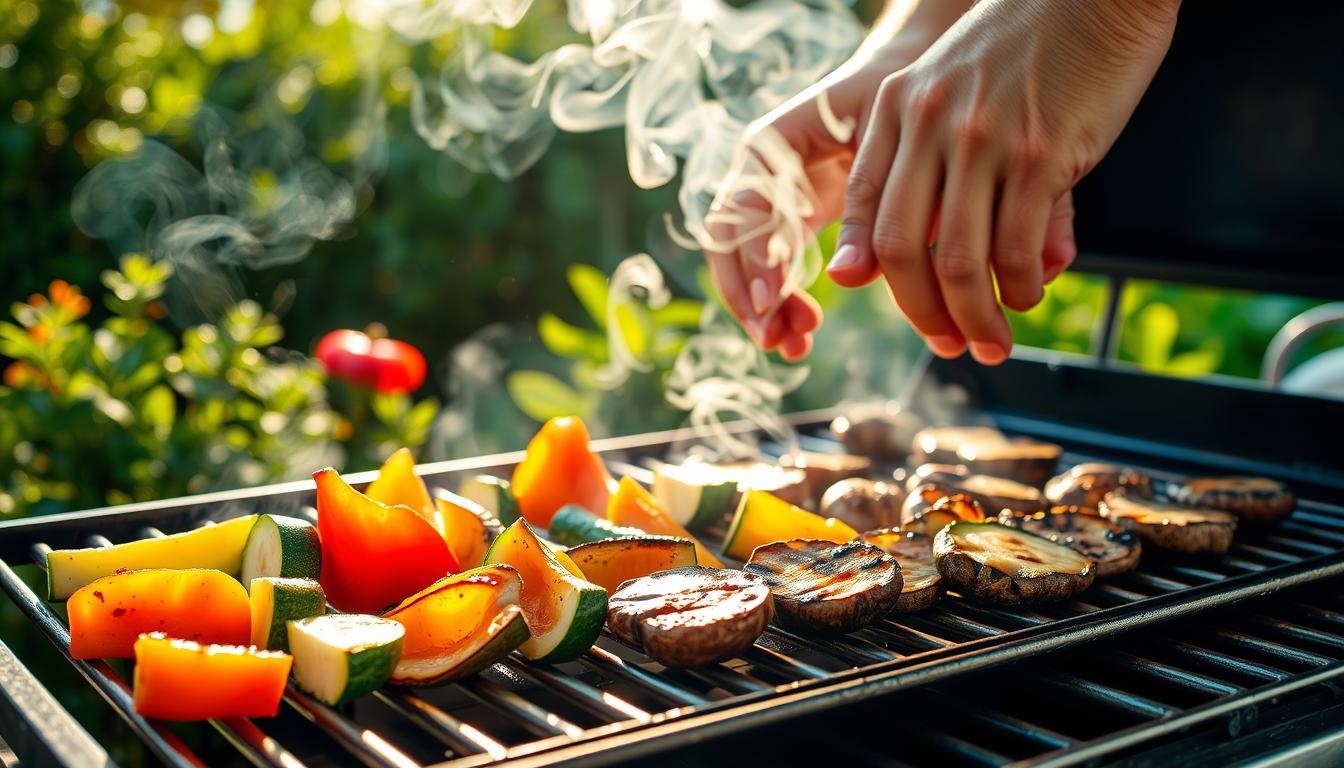
How To Grill Vegetables Without Burning Them starts with understanding that vegetables need gentler heat and careful timing compared to meat. Most home cooks struggle with charred exteriors and raw interiors because they treat all vegetables the same way.
The key is matching your grilling technique to each vegetable’s density and water content. Dense vegetables like potatoes need longer cooking times, while delicate items like zucchini can go from perfect to burnt in seconds.
TL;DR
- Cut vegetables into uniform 1/2-inch thick pieces to ensure even cooking and prevent burning.
- Use medium heat (300-350°F) instead of high heat to give vegetables time to cook through without charring.
- Pre-cook dense vegetables like potatoes and carrots for 3-4 minutes in the microwave before grilling.
- Oil vegetables lightly with 1-2 tablespoons of oil per pound to prevent sticking and promote browning.
How To Grill Vegetables Without Burning Them
Success starts with proper preparation and heat management. Most vegetables burn because they hit the grill unprepared or face temperatures that are too high for their delicate structure.
The biggest mistake is throwing vegetables on a blazing hot grill meant for steaks. Vegetables need time to soften and caramelize slowly, which requires medium heat and patience.
Choose the Right Temperature
Medium heat between 300-350°F gives vegetables the gentle cooking they need. This temperature allows the interior to soften while the exterior develops that perfect caramelized color without burning.
Use the hand test to check your grill temperature – you should be able to hold your hand 5 inches above the grates for 4-5 seconds at medium heat. If you can only hold it for 2-3 seconds, your grill is too hot for most vegetables.
Preparation Techniques That Prevent Burning
Uniform sizing is critical for even cooking. Cut all pieces to roughly the same thickness so they finish at the same time and nothing gets left behind to burn.
Here are the best cutting guidelines for common vegetables:
- Zucchini and squash – Slice lengthwise into 1/2-inch thick planks
- Bell peppers – Cut into wide strips or leave in large pieces
- Onions – Slice into 1/2-inch thick rounds, keeping rings intact
- Mushrooms – Leave small ones whole, halve or quarter large ones
- Asparagus – Trim woody ends but keep spears whole
- Corn – Remove husks and silk, grill whole or cut into 2-inch rounds
Pre-Cooking Dense Vegetables
Dense vegetables like potatoes, carrots, and beets benefit from partial pre-cooking. This ensures they cook through without burning their exteriors during the longer grilling time they need.
Microwave these vegetables for 3-4 minutes before grilling, or parboil them for 5-6 minutes. They should be slightly tender but still firm enough to hold their shape on the grill.
Oil and Seasoning Strategies
Light oiling prevents sticking and helps vegetables brown evenly without burning. Use about 1-2 tablespoons of oil per pound of vegetables – enough to coat them lightly but not so much that oil drips and causes flare-ups.
Toss vegetables with oil and seasonings in a large bowl before grilling. This ensures even distribution and prevents you from having to add oil directly to the hot grill where it can cause dangerous flare-ups.
Best Oils for Grilling Vegetables
Choose oils with high smoke points to prevent burning and off flavors:
- Avocado oil – Smoke point of 520°F, neutral flavor
- Grapeseed oil – Smoke point of 420°F, light taste
- Canola oil – Smoke point of 400°F, widely available
- Olive oil – Use regular olive oil (not extra virgin) with its 410°F smoke point
Timing Is Everything
Start dense vegetables first and add quicker-cooking items later. This prevents some vegetables from burning while others are still raw.
Grilling Techniques for Different Vegetables
Different vegetables need different approaches based on their density, water content, and natural cooking times. Understanding these differences helps you avoid the common mistake of treating all vegetables the same way.
Quick-Cooking Vegetables (5-8 minutes)
These vegetables cook fast and need careful attention:
- Zucchini and summer squash – Grill cut-side down first, flip once
- Mushrooms – Start gill-side up to prevent moisture loss
- Asparagus – Roll occasionally for even cooking
- Cherry tomatoes – Use a grill basket to prevent falling through grates
Medium-Cooking Vegetables (10-15 minutes)
These need moderate time and occasional turning:
- Bell peppers – Grill skin-side down until charred, then flip
- Onions – Keep rings intact, flip carefully with a spatula
- Eggplant – Salt slices beforehand to remove excess moisture
- Corn – Turn every 3-4 minutes for even browning
Long-Cooking Vegetables (15-25 minutes)
Dense vegetables that need extended cooking time:
- Potatoes – Pre-cook partially, then grill over medium-low heat
- Sweet potatoes – Slice thick and pre-cook for best results
- Winter squash – Cut into wedges and pre-steam
- Beets – Wrap in foil with a little water for the first half of cooking
Using Grill Baskets and Foil
Grill baskets prevent small vegetables from falling through the grates and make turning easier. They’re essential for items like cherry tomatoes, Brussels sprouts, and diced vegetables.
Foil packets work well for delicate vegetables that might break apart or for creating a steaming effect. Grill mats can also prevent sticking and reduce cleanup time while still allowing direct heat contact.
When to Use Indirect Heat
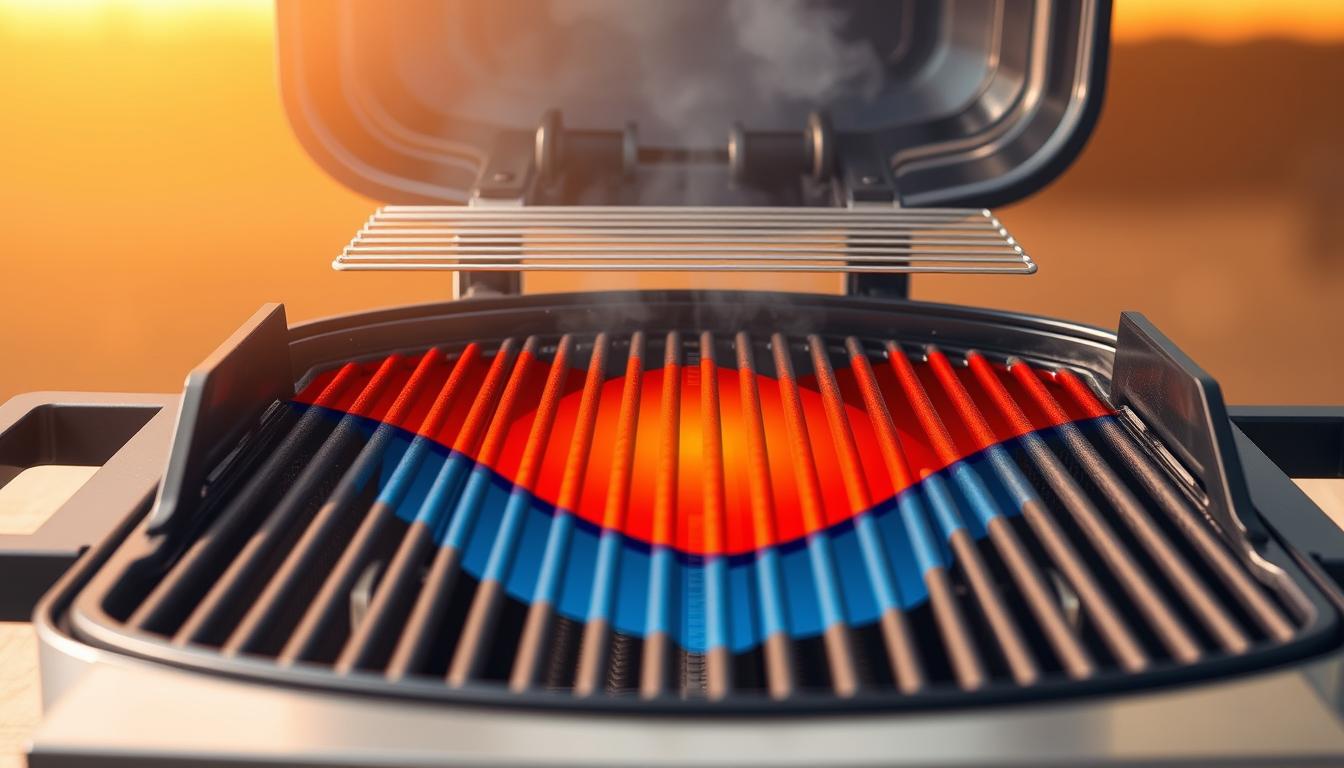
Move to cooler zones of your grill if vegetables start browning too quickly. Two-zone grilling offers better temperature control and lets you move vegetables to safety if they’re cooking faster than expected.
Indirect heat works especially well for thick vegetables that need time to cook through without burning their surfaces.
Common Mistakes and How to Avoid Them
The most frequent error is using too high heat because it works for meat. Vegetables have different cellular structures that break down at lower temperatures and burn easily under intense heat.
Another common mistake is not cleaning the grates properly. Leftover food particles from previous grilling sessions can stick to vegetables and cause burning. Proper food safety practices include cleaning grates thoroughly before each use.
Signs Your Heat Is Too High
- Vegetables char within the first 2-3 minutes
- Exteriors blacken while interiors remain raw
- Oil starts smoking immediately when vegetables hit the grill
- Frequent flare-ups occur from dripping juices
Timing Multiple Vegetables
When grilling a variety of vegetables, start with the longest-cooking items and add others in stages. This prevents some vegetables from burning while waiting for others to finish.
Create a grilling schedule based on cooking times:
- Start dense vegetables first. Get potatoes, carrots, and winter squash on the grill first.
- Add medium vegetables next. Put bell peppers, onions, and corn on after 5-8 minutes.
- Finish with quick-cooking items. Add zucchini, mushrooms, and asparagus in the final 5-8 minutes.
This staged approach ensures everything finishes at the same time without anything burning from overcooking.
Articles You May Like
Frequently Asked Questions
Should I soak vegetables in water before grilling?
No, soaking vegetables in water can make them steam rather than grill properly and can cause them to fall apart. Simply pat them dry and oil lightly instead.
How do I know when grilled vegetables are done?
Vegetables are done when they’re tender when pierced with a fork and have nice grill marks. They should give slightly to pressure but not be mushy.
Can I use marinades on vegetables before grilling?
Yes, but avoid marinades with high sugar content as they burn easily. Stick to oil-based marinades with herbs and acid like lemon juice or vinegar.
Why do my vegetables stick to the grill grates?
Vegetables stick when grates aren’t clean, aren’t hot enough, or the vegetables aren’t oiled properly. Clean grates, preheat them, and oil vegetables lightly before grilling.
Is it better to use direct or indirect heat for vegetables?
Most vegetables do best with direct medium heat, but dense vegetables or those that need longer cooking benefit from starting with indirect heat to prevent burning.
Final Thoughts
How To Grill Vegetables Without Burning Them comes down to using the right heat level and timing for each vegetable type. Medium heat, proper preparation, and staged cooking will give you perfectly grilled vegetables every time.
Start practicing with just one or two vegetable types to build your confidence. Using a reliable thermometer will help you maintain the proper temperatures for perfect results.

Ryan Conlon is a BBQ enthusiast and inspired chef on a journey through the smoky, savory world of outdoor cooking. Hailing from the heart of the Midwest, Ryan’s passion for grilling ignited during his early years, where family gatherings often revolved around the sizzle of the grill and the aroma of seasoned meats.