
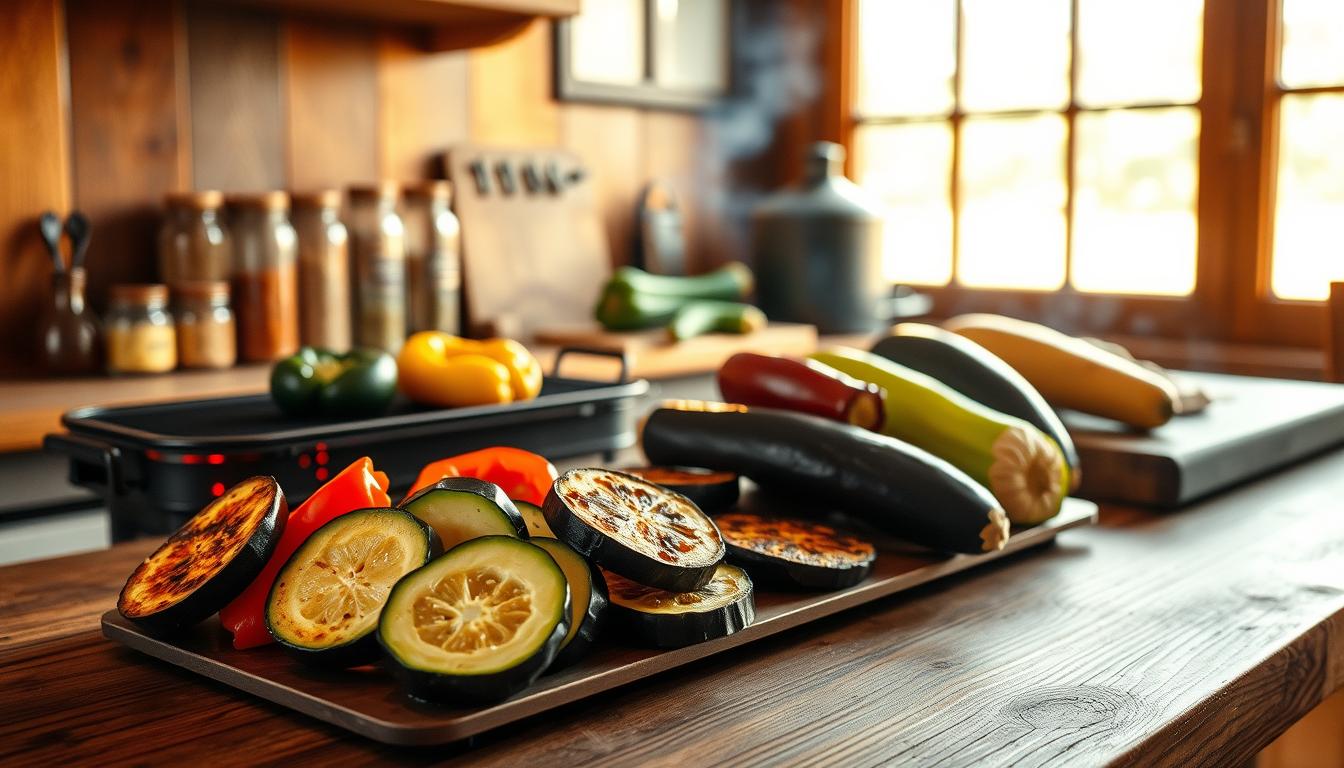
Smoking Vegetables Like A Pro transforms ordinary garden produce into extraordinary culinary creations that rival any steakhouse side dish. This complete guide covers everything from selecting the right vegetables to mastering temperature control for perfect results every time.
Whether you’re a seasoned pitmaster or just starting your BBQ journey, smoking vegetables opens up a world of rich, complex flavors that simple grilling can’t match. The low and slow cooking method caramelizes natural sugars while infusing deep smoky notes that make even the pickiest eaters ask for seconds.
TL;DR
- Smoke vegetables at 225-250°F for 30-90 minutes depending on size and density.
- Apple, cherry, and hickory woods work best for vegetables without overpowering their natural flavors.
- Cut vegetables into uniform 1-2 inch pieces for even cooking and optimal smoke penetration.
- Pre-soak corn, mushrooms, and eggplant for 15 minutes to prevent drying out during smoking.
Smoking Vegetables Like A Pro Setup and Temperature Control
Temperature control makes the difference between perfectly smoked vegetables and charred disappointments. Set your smoker to 225-250°F for most vegetables, which allows enough time for smoke absorption without overcooking delicate textures.
Use a reliable digital thermometer to monitor both your smoker temperature and internal vegetable temperatures. Dense vegetables like potatoes and carrots benefit from slightly higher heat around 275°F, while delicate items like zucchini and bell peppers smoke best at the lower end of the range.
Essential Equipment for Vegetable Smoking
The right tools streamline your vegetable smoking process and deliver consistent results. Invest in quality equipment that handles the unique challenges of smoking produce.
- Perforated smoker basket – prevents small pieces from falling through grates while allowing smoke circulation.
- Aluminum foil packets – create steam pockets for vegetables that need extra moisture during cooking.
- Spray bottle – keeps vegetables moist during longer smoking sessions without opening the smoker frequently.
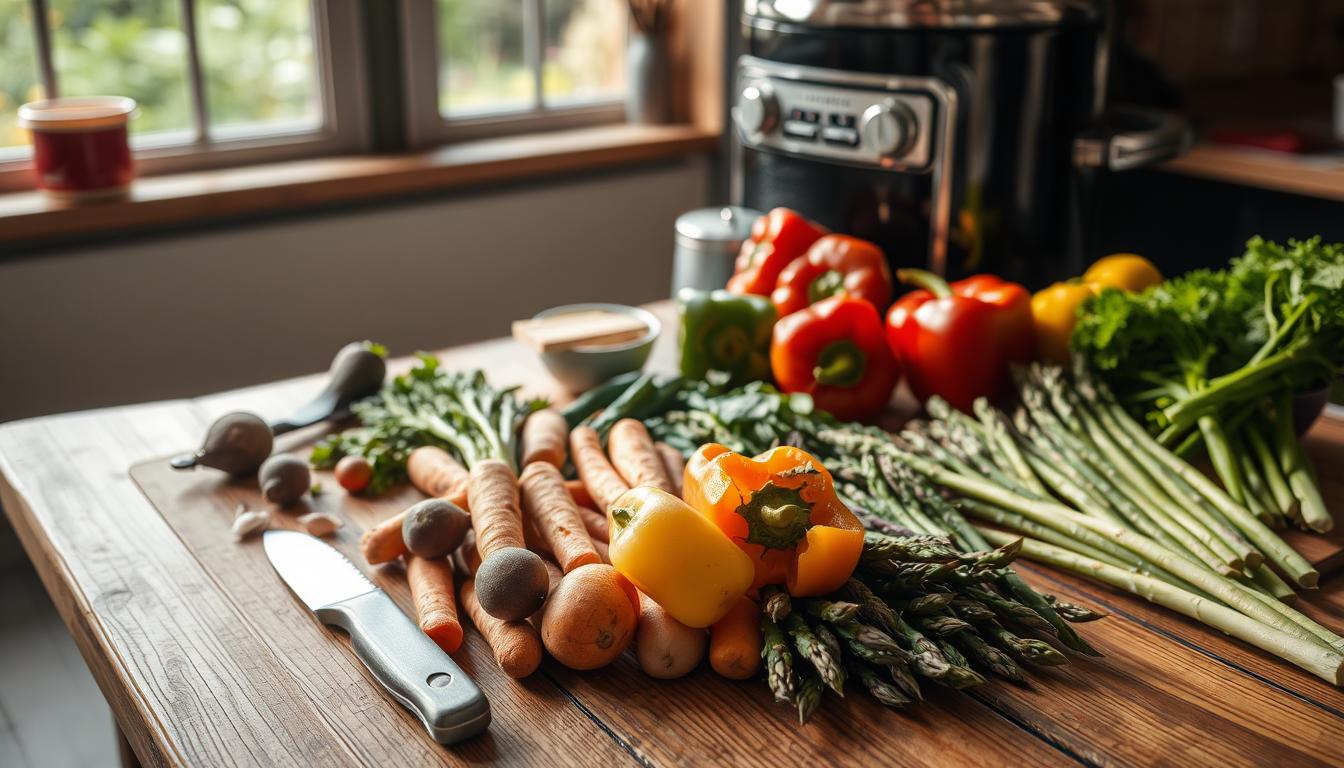
- Sharp knife and cutting board – uniform cuts ensure even cooking across all pieces.
Selecting and Preparing Vegetables for Smoking
Vegetable selection directly impacts your smoking success, with some varieties naturally suited for low and slow cooking while others require special preparation techniques. Choose firm, fresh vegetables at their peak ripeness for the best flavor development and texture retention.
Preparation timing affects moisture content and smoke absorption throughout the cooking process. Most vegetables benefit from cutting into uniform pieces 1-2 inches thick, which allows smoke to penetrate evenly while maintaining structural integrity.
Best Vegetables for Smoking
These vegetables handle smoking exceptionally well and develop complex flavors that complement any BBQ spread:
- Root vegetables – potatoes, carrots, beets, and turnips hold their shape and absorb smoke beautifully.
- Dense vegetables – corn on the cob, bell peppers, and eggplant develop rich, caramelized exteriors.
- Mushrooms – portobello, shiitake, and button mushrooms become incredibly meaty and flavorful.
- Squash varieties – zucchini, yellow squash, and acorn squash caramelize naturally during smoking.
Preparation Techniques by Vegetable Type
Different vegetables require specific preparation methods to achieve optimal smoking results. Follow these proven techniques for each category:
- Dense vegetables. Cut into 1-inch thick pieces and parboil for 5-7 minutes to reduce smoking time while maintaining texture.
- Soft vegetables. Leave in larger pieces or whole to prevent mushiness, and brush with oil to prevent sticking.
- Fibrous vegetables. Score the surface in crosshatch patterns to help smoke penetration and break down tough fibers.
- High-water content vegetables. Salt and drain for 30 minutes before smoking to concentrate flavors and improve texture.
Wood Selection and Flavor Pairing
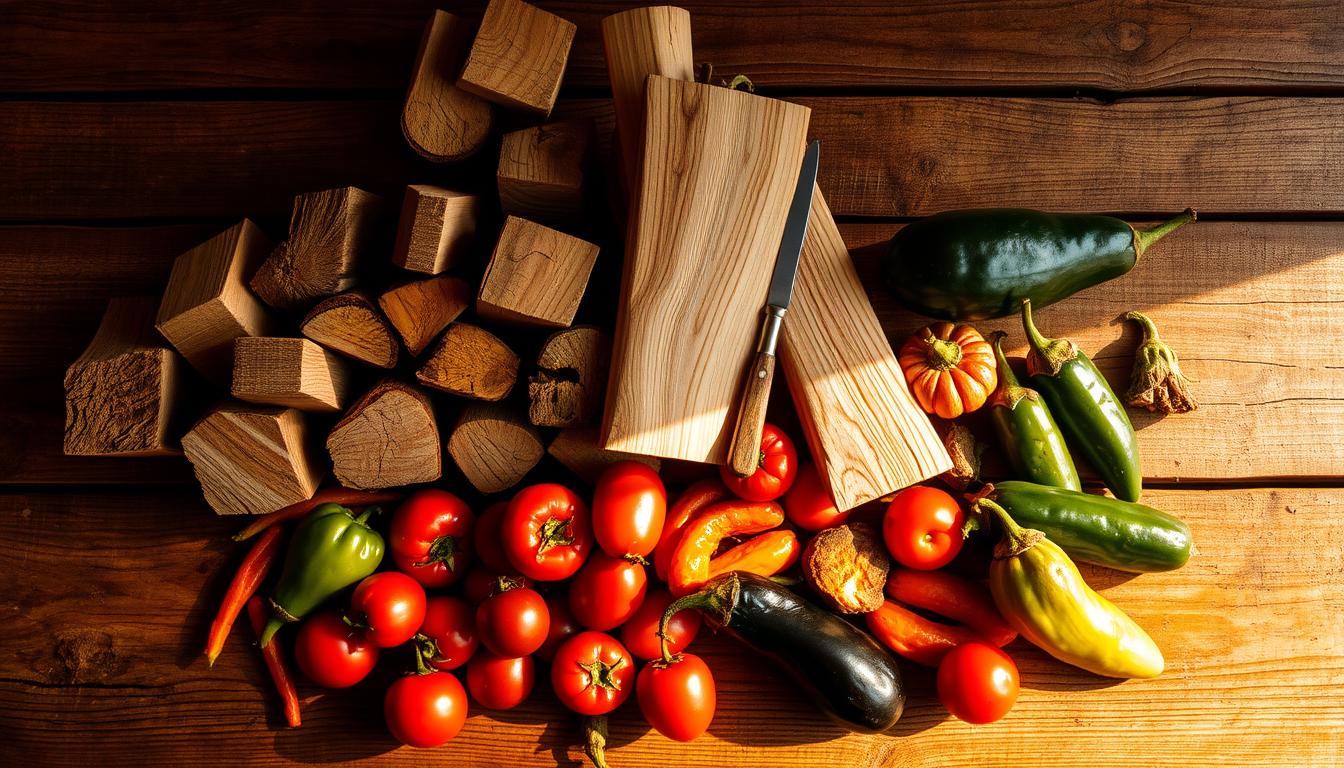
Wood choice dramatically influences the final flavor profile of your smoked vegetables, with lighter woods generally working better than heavy, intense varieties. Using wood chips and pellets properly ensures consistent smoke production throughout the cooking process.
Match wood intensity to vegetable flavors for balanced results that enhance rather than overwhelm natural tastes. Delicate vegetables pair best with mild woods, while heartier varieties can handle stronger smoke flavors.
Wood Pairing Guide
- Apple wood – perfect for summer squash, zucchini, and bell peppers with its mild, sweet smoke.
- Cherry wood – complements root vegetables and adds beautiful color to tomatoes and peppers.
- Hickory wood – works well with hearty vegetables like portobello mushrooms and thick-cut potatoes.
- Peach wood – adds subtle fruity notes to corn, asparagus, and green vegetables.
Smoking Times and Techniques
Timing varies significantly based on vegetable density, cut size, and desired texture, making it essential to understand the specific requirements for each type. The low and slow method applies to vegetables but with much shorter cooking times than traditional meats.
Monitor vegetables closely during the final 15 minutes of estimated cooking time, as they can quickly transition from perfectly tender to overcooked. Visual cues often provide better guidance than strict time limits for determining doneness.
Vegetable Smoking Timeline
- Quick smoking (30-45 minutes). Zucchini, bell peppers, mushrooms, and asparagus reach perfect tenderness in this timeframe.
- Medium smoking (45-75 minutes). Corn on the cob, thick-cut eggplant, and halved onions develop deep flavors without overcooking.
- Long smoking (75-90 minutes). Whole potatoes, large beets, and acorn squash halves need extended time for proper cooking.
- Extended smoking (90+ minutes). Whole butternut squash and large sweet potatoes require the longest smoking times for even cooking.
Pro Smoking Technique
Wrap vegetables in foil during the last 20 minutes if they’re browning too quickly but need more cooking time. This prevents burning while allowing continued heat penetration.
Seasoning and Marinades for Smoked Vegetables
Seasoning enhances natural vegetable flavors while adding complementary notes that work harmoniously with smoke. Simple preparations often work better than complex marinades, allowing the vegetable’s natural taste and smoky essence to shine through.
Apply seasonings 15-30 minutes before smoking to allow flavors to penetrate the surface without drawing out excessive moisture. Brining and marinating techniques can be adapted for vegetables that benefit from deeper flavor infusion.
Essential Seasoning Combinations
- Mediterranean blend – olive oil, garlic, oregano, and sea salt work perfectly with zucchini, eggplant, and bell peppers.
- Southwest style – cumin, chili powder, lime juice, and paprika complement corn, potatoes, and squash varieties.
- Asian-inspired – sesame oil, soy sauce, ginger, and rice vinegar enhance mushrooms and root vegetables.
- Classic BBQ – brown sugar, smoked paprika, garlic powder, and black pepper create traditional smoky flavors.
Troubleshooting Common Smoking Issues
Common problems during vegetable smoking usually stem from temperature control issues, improper preparation, or timing mistakes. Understanding these challenges helps prevent disappointing results and builds confidence for future smoking sessions.
Most vegetable smoking problems have simple solutions that don’t require starting over completely. Quick adjustments during the cooking process often salvage batches that seem headed for failure.
Solving Frequent Problems
- Vegetables drying out – increase moisture with foil wrapping or apple juice spritzing every 30 minutes.
- Uneven cooking – rearrange pieces halfway through smoking and group similar-sized items together.
- Too much smoke flavor – reduce wood chip quantity and ensure proper airflow through the smoker.
- Mushy texture – lower temperature by 25°F and check vegetables 15 minutes earlier than planned.
Serving and Storage Tips
Proper serving techniques showcase smoked vegetables at their peak flavor and temperature, while correct storage methods preserve quality for later enjoyment. Smoked vegetables often taste even better the next day as flavors continue developing.
Present smoked vegetables immediately after cooking for the best texture and temperature contrast with other BBQ dishes. Room temperature serving works well for picnic-style meals and allows smoky flavors to come forward more prominently.
Storage and Reheating Guidelines
- Immediate serving. Transfer directly from smoker to serving platters to maintain optimal temperature and texture.
- Short-term storage. Refrigerate in airtight containers for up to 4 days, maintaining separation between different vegetable types.
- Reheating methods. Use oven warming at 300°F for 10-15 minutes or quick sautéing to restore texture without overcooking.
- Freezing options. Most smoked vegetables freeze well for 3 months, though texture may soften slightly upon thawing.
Frequently Asked Questions
What temperature should I smoke vegetables at for best results?
Smoke most vegetables at 225-250°F for optimal flavor development and texture retention. Dense vegetables like potatoes can handle 275°F, while delicate items like zucchini work best at the lower temperature range.
How long does it take to smoke vegetables compared to meat?
Vegetables smoke much faster than meat, typically taking 30-90 minutes depending on size and density. Most vegetables finish cooking in under an hour, making them perfect for quick BBQ additions.
Do I need to soak vegetables before smoking them?
Soak high-moisture vegetables like corn, mushrooms, and eggplant for 15 minutes before smoking to prevent excessive drying. Most other vegetables don’t require soaking but benefit from light oil coating.
Which wood types work best for smoking vegetables?
Apple, cherry, and peach woods provide mild, sweet smoke that complements vegetables without overpowering their natural flavors. Avoid heavy woods like mesquite or oak which can make vegetables taste bitter.
Can I smoke frozen vegetables successfully?
Fresh vegetables always produce better results than frozen, but you can smoke frozen vegetables if you thaw and drain them completely first. Expect slightly softer textures and longer cooking times with previously frozen produce.
Final Thoughts
Smoking Vegetables Like A Pro becomes second nature once you master temperature control, wood selection, and proper preparation techniques. These skills transform simple garden produce into show-stopping side dishes that rival any restaurant creation.
Start with easy vegetables like bell peppers and mushrooms this weekend, then expand your repertoire as your confidence grows. Infusing smoked flavor into vegetables opens up endless possibilities for creative BBQ meals that satisfy vegetarians and meat-lovers alike.

Ryan Conlon is a BBQ enthusiast and inspired chef on a journey through the smoky, savory world of outdoor cooking. Hailing from the heart of the Midwest, Ryan’s passion for grilling ignited during his early years, where family gatherings often revolved around the sizzle of the grill and the aroma of seasoned meats.