
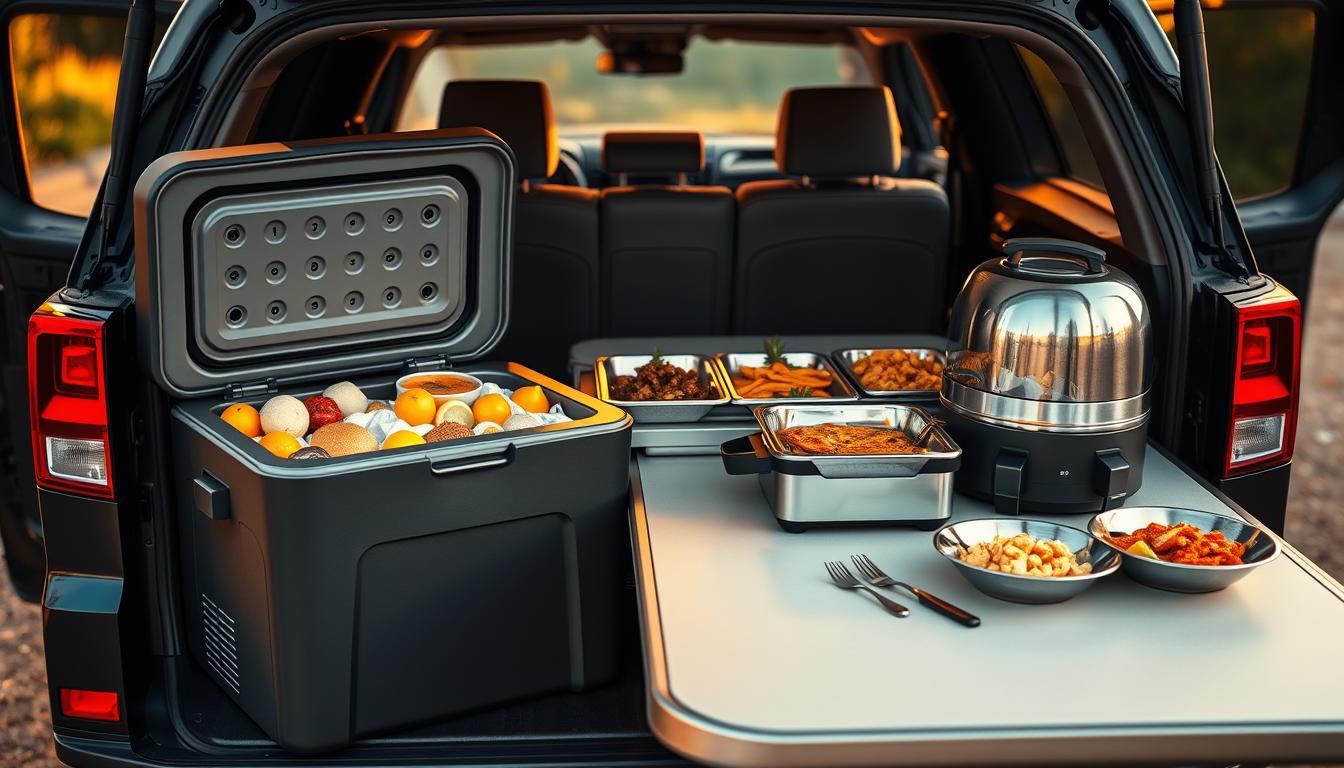
Keeping food at safe temperatures during tailgating can make or break your game day experience. Poor temperature control leads to spoiled food and potential foodborne illness that nobody wants to deal with when they’re trying to enjoy the big game.
The key is understanding the temperature danger zone and having the right equipment to maintain hot foods above 140°F and cold foods below 40°F. With proper planning and the right gear, you can serve safe, delicious food that stays at the perfect temperature throughout your entire tailgate.
TL;DR
- Keep hot foods above 140°F and cold foods below 40°F to avoid the danger zone of 40-140°F where bacteria multiply rapidly.
- Use multiple coolers with a 2:1 ice-to-food ratio and pre-chill everything for 24 hours before packing.
- Thermal bags and chafing dishes can maintain hot food temperatures for 2-4 hours without external heat sources.
- Never leave perishable foods in the temperature danger zone for more than 2 hours (1 hour if it’s above 90°F outside).
How To Keep Food Hot Or Cold At Tailgates The Safe Way
Food safety at tailgates starts with understanding the temperature danger zone between 40°F and 140°F. Bacteria multiply rapidly in this range, doubling every 20 minutes under ideal conditions.
Your goal is simple: keep hot foods hot and cold foods cold throughout the entire event. This requires proper equipment, smart packing strategies, and careful timing from prep to cleanup.
Essential Temperature Guidelines
Follow these core temperature rules for safe tailgating. The USDA food safety guidelines apply whether you’re at home or in a parking lot.
- Hot foods – Maintain at 140°F or above
- Cold foods – Keep at 40°F or below
- Time limit – Never exceed 2 hours in the danger zone (1 hour if ambient temperature is above 90°F)
- Reheating – Bring leftover foods to 165°F before serving again
Keeping Cold Foods Safe
Cold food storage requires multiple coolers, plenty of ice, and strategic packing. Pre-planning your cold storage setup prevents temperature spikes that put food at risk.
Start by chilling all food items in your refrigerator for at least 24 hours before the event. Cold food going into a cooler stays cold much longer than room temperature items.
Cooler Setup Strategy
Use separate coolers for different purposes to minimize temperature fluctuations. Opening a cooler frequently lets warm air in and cold air out.
- Beverage cooler – Most frequently accessed, can handle temperature swings
- Food cooler – Opened less often, maintains consistent temperature
- Backup cooler – Extra ice and emergency storage
Ice and Packing Tips
Proper ice management makes the difference between safe food and spoiled ingredients. Follow the 2:1 ratio of ice to food by weight for best results.
- Layer ice throughout. Put ice on the bottom, middle, and top of your food items.
- Use block ice when possible. It melts slower than cubed ice and maintains temperature longer.
- Fill empty spaces. Air pockets let temperatures fluctuate – pack tightly or add more ice.
- Keep coolers closed. Only open when absolutely necessary and close quickly.
Freeze Water Bottles for Double Duty
Freeze water bottles to use as ice packs that won’t create mess when they melt. You’ll have cold drinking water as a bonus once they thaw.
Hot Food Temperature Control
Maintaining hot food temperatures requires thermal retention gear and careful timing. Hot foods lose heat quickly in outdoor conditions, especially when it’s windy or cold.
Cook hot foods as close to serving time as possible when you’re following quick crowd-friendly BBQ recipes. The longer food sits after cooking, the more heat it loses and the greater your food safety risk becomes.
Heat Retention Equipment
Several options help maintain hot food temperatures without additional cooking. Choose based on your menu, group size, and available space.
- Thermal bags – Insulated carriers that hold heat for 2-4 hours
- Chafing dishes – Metal pans with fuel canisters for extended heating
- Slow cookers – Portable units with car adapters for continuous warming
- Thermos containers – Individual serving sizes for soups and stews
Timing Hot Food Service
Plan your cooking schedule so hot foods come off the grill just before serving. This minimizes time spent in the temperature danger zone.
- Start cooking 30 minutes before planned serving time. Account for prep and final cooking steps.
- Serve immediately from the grill when possible. Direct service eliminates storage time.
- Transfer to warming equipment within 30 minutes. Don’t let food cool below safe temperatures.
- Monitor temperatures regularly. Use a food thermometer to check internal temps every 30 minutes.
Equipment Recommendations
The right gear makes temperature control much easier and more reliable. Invest in quality equipment that handles outdoor conditions and frequent use.
When you’re planning your setup for large group tailgating, scale up your temperature control equipment to match your food quantities.
Must-Have Temperature Control Gear
These items form the foundation of safe tailgate food handling. Each serves a specific purpose in maintaining proper temperatures.
- Digital food thermometer – Instant-read for checking internal temperatures
- High-capacity coolers – At least 50-quart size for adequate ice storage
- Thermal bags – Various sizes for different hot foods
- Chafing fuel – Backup heating source for extended events
Common Temperature Mistakes
Avoid these frequent errors that put your tailgate food at risk. Learning from common mistakes helps you plan better and keep everyone safe.
Many tailgaters underestimate how quickly food temperatures change in outdoor conditions. Wind, sun exposure, and ambient temperature all affect your food faster than indoor conditions.
Mistakes That Compromise Food Safety
Recognize these problems before they happen at your next tailgate. Prevention is much easier than dealing with foodborne illness.
- Using insufficient ice – Skimping on ice leads to rapid temperature increases
- Mixing raw and cooked foods – Cross-contamination risk in shared coolers
- Leaving food unattended – No monitoring means no temperature control
- Relying on appearance – Food can spoil without obvious signs
Weather Considerations
Extreme weather conditions require adjusted strategies for safe food handling. Hot sunny days and cold windy conditions each present unique challenges for temperature control.
Check your local weather forecast and prepare accordingly when you’re following weather-proof tailgating strategies. Different conditions call for different approaches to food safety.
Hot Weather Adaptations
High temperatures accelerate bacterial growth and reduce safe holding times. Take extra precautions when the thermometer climbs above 90°F.
- Reduce safe time limits – Only 1 hour in the danger zone when it’s above 90°F
- Add extra ice – Use 3:1 ice-to-food ratio in extreme heat
- Create shade – Keep coolers and food service areas out of direct sunlight
- Monitor more frequently – Check temperatures every 15-20 minutes
Cold Weather Challenges
Cold air helps preserve food safety but creates different problems for food service. Hot foods cool faster and equipment may not function properly in freezing conditions.
- Pre-warm serving containers. Hot water rinses help maintain food temperatures longer.
- Protect from wind. Set up windbreaks around food service areas.
- Keep backup heating. Extra chafing fuel and thermal equipment for extended warming.
- Monitor equipment function. Some devices don’t work properly in very cold temperatures.
Articles You May Like
Frequently Asked Questions
How long can food sit out safely at a tailgate?
Perishable foods can safely remain in the temperature danger zone for a maximum of 2 hours, or just 1 hour if the outside temperature exceeds 90°F.
What’s the best ice-to-food ratio for coolers?
Use a 2:1 ratio of ice to food by weight for optimal temperature control, increasing to 3:1 in very hot weather above 90°F.
Can I use a regular cooler for hot foods?
Regular coolers can temporarily hold hot foods if you pre-heat them with hot water and use thermal bags or towels for extra insulation, but they’re not designed for extended hot food storage.
How do I know if my food thermometer is accurate?
Test your thermometer in ice water (should read 32°F) and boiling water (should read 212°F at sea level) to verify accuracy before each tailgating event.
What should I do if my cooler ice completely melts?
Immediately get fresh ice or transfer food to a backup cooler – food sitting in water above 40°F enters the danger zone and becomes unsafe within 2 hours.
Final Thoughts
How To Keep Food Hot Or Cold At Tailgates The Safe Way comes down to proper equipment, smart planning, and consistent temperature monitoring. The effort you put into food safety protects everyone at your tailgate and ensures great memories instead of food poisoning incidents.
Start with quality coolers, plenty of ice, and reliable thermometers for your next game day. Master these basics and you’ll be ready to host safe, delicious tailgates all season long.

Ryan Conlon is a BBQ enthusiast and inspired chef on a journey through the smoky, savory world of outdoor cooking. Hailing from the heart of the Midwest, Ryan’s passion for grilling ignited during his early years, where family gatherings often revolved around the sizzle of the grill and the aroma of seasoned meats.