
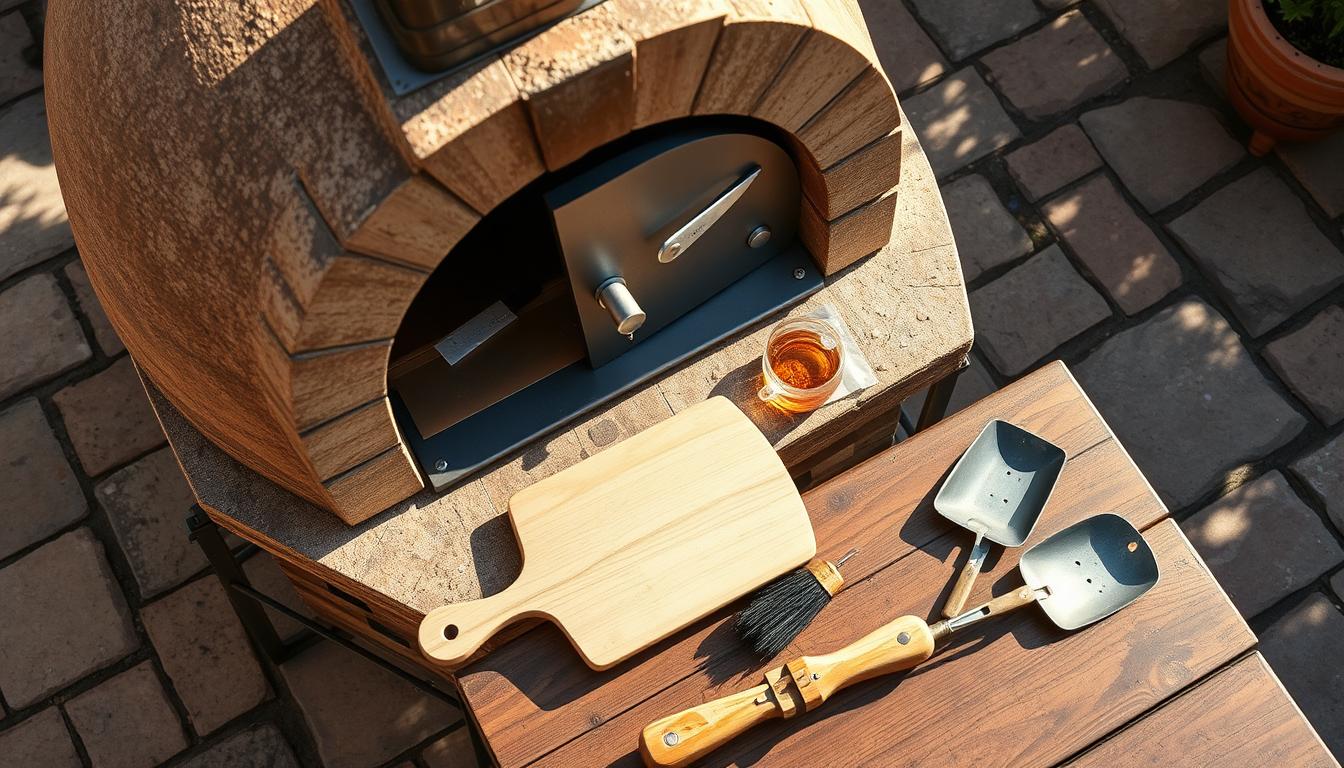
How To Maintain A Wood Fired Pizza Oven Year Round requires consistent care to keep your oven performing at its best through all seasons. Regular maintenance protects your investment and ensures you can enjoy authentic wood-fired cooking whenever the mood strikes.
A well-maintained wood-fired pizza oven can last decades with proper care. The key is understanding what your oven needs during different weather conditions and establishing routines that prevent costly repairs.
TL;DR
- Clean ash buildup after every 3-4 uses to maintain proper airflow and heat distribution.
- Apply waterproof sealant to exterior surfaces every 12-18 months to prevent water damage.
- Check chimney and vent systems monthly for blockages that could affect performance.
- Cover your oven with a breathable tarp during winter months to prevent freeze damage.
How To Maintain A Wood Fired Pizza Oven Year Round
Your wood-fired pizza oven needs different care depending on the season and how often you use it. Start with a weekly visual inspection to spot potential problems before they become expensive repairs.
The most critical maintenance tasks focus on protecting the oven structure from moisture and maintaining clear airflow. These simple steps prevent the majority of common issues that pizza oven owners face.
Daily Care After Each Use
After cooking, let your oven cool completely before cleaning. Remove any food debris with a long-handled brush while the oven is still warm but safe to touch.
- Remove food particles – sweep out crumbs and debris that could attract pests.
- Check door seal – make sure the door closes properly and gaskets aren’t damaged.
- Clear chimney opening – ensure no ash or debris blocks the vent.
- Store tools properly – keep peels and brushes in a dry location.
Monthly Deep Cleaning Tasks
Once a month, give your oven a thorough cleaning that goes beyond daily maintenance. This deeper clean keeps your oven operating efficiently and helps you spot wear patterns early.
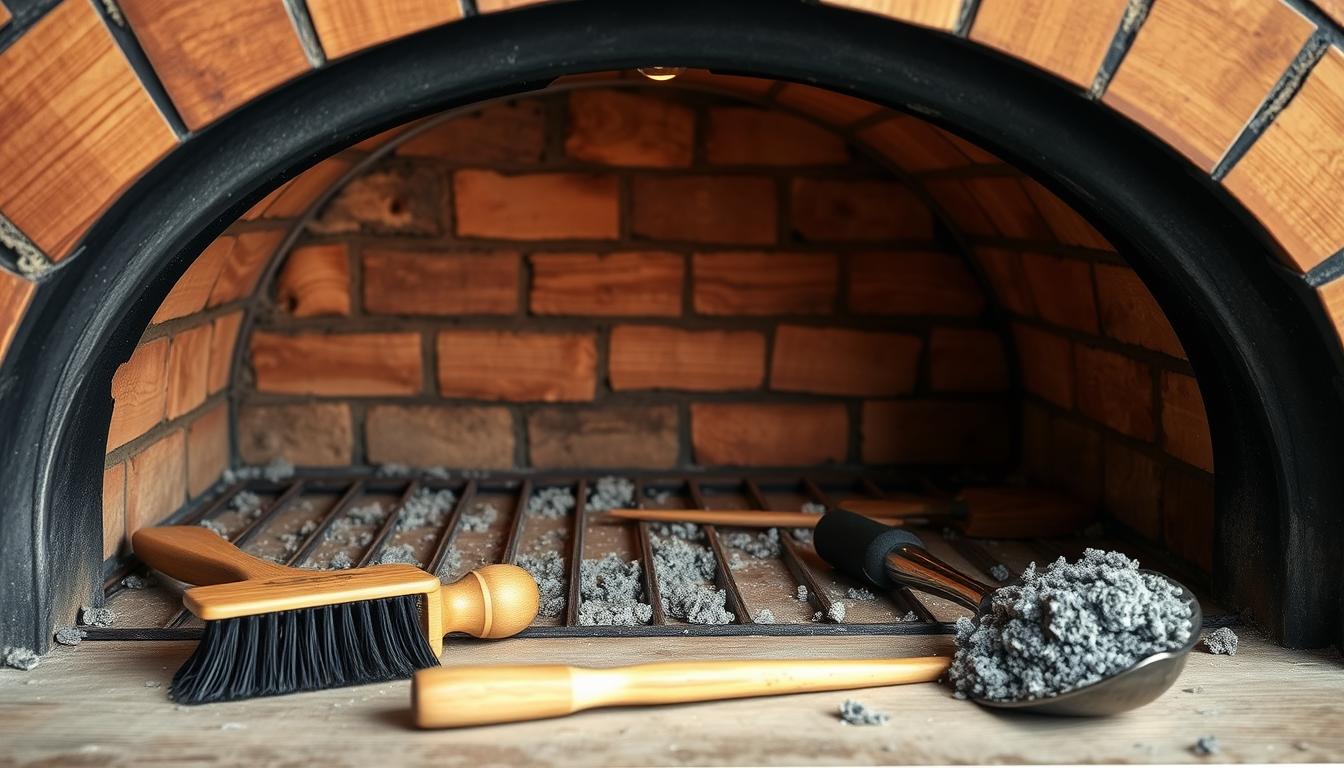
Start by removing all ash from the fire chamber using a metal shovel and vacuum designed for ash removal. Never use a regular household vacuum for this task as hot ash can damage the motor.
Cleaning the Oven Interior
- Remove all ash. Use proper tools and dispose of ash safely in a metal container.
- Scrub the floor. Clean the oven floor with a stiff brush and warm water if needed.
- Check the dome. Look for cracks or loose mortar that need repair.
- Inspect the door. Clean door surfaces and check hinges for smooth operation.
Exterior Maintenance
The outside of your oven faces constant weather exposure and needs regular attention. Focus on areas where water might collect or where the structure meets other materials.
- Clean chimney cap – remove debris and check for rust or damage.
- Inspect flashing – ensure water barriers around the base remain intact.
- Check insulation – look for gaps where heat might escape.
- Test drainage – make sure water flows away from the oven base.
Ash Disposal Safety
Always store ash in a metal container with a tight lid, placed away from combustible materials. Ash can stay hot for days after cooking.
Seasonal Protection Strategies
Each season brings different challenges for your wood-fired oven. Understanding these seasonal needs helps you prevent damage and extend your oven’s life significantly.
Winter requires the most protective measures since freeze-thaw cycles can crack masonry and ice can damage metal components. Summer heat and UV exposure also need attention to prevent deterioration.
Winter Care
Cold weather poses the biggest threat to outdoor pizza ovens. Water that freezes inside cracks can expand and cause serious structural damage.
- Use breathable covers – protect from snow while allowing moisture to escape.
- Keep door slightly open – prevents moisture buildup inside the chamber.
- Clear snow promptly – don’t let heavy snow accumulate on the roof.
- Check monthly – winter storms can cause unexpected damage.
Summer Maintenance
Hot weather and frequent use during summer require different attention. The combination of high temperatures and regular firing can stress oven materials.
- Monitor for expansion cracks – heat cycles can cause new cracks to form.
- Keep chimney clear – summer insects love to build nests in warm spaces.
- Check water seals – summer storms can test your weatherproofing.
- Clean more frequently – heavy use means more ash and debris buildup.
Recognizing Common Problems Early
Catching problems early saves money and prevents safety hazards. Most pizza oven issues start small but can quickly become major repairs if ignored.
Learn to spot the warning signs during your regular inspections. Many homeowners miss early indicators because they don’t know what to look for during routine outdoor cooking safety checks.
Structural Warning Signs
- New cracks in masonry – even hairline cracks need monitoring.
- Loose or missing mortar – repoint immediately to prevent water entry.
- Chimney lean or damage – affects draft and creates safety hazards.
- Door alignment issues – poor sealing reduces efficiency.
Performance Issues
Changes in how your oven heats or maintains temperature often indicate maintenance needs. These problems usually have simple solutions if addressed quickly.
- Longer heating times – may indicate poor insulation or airflow problems.
- Uneven cooking – could mean floor damage or ash buildup.
- Poor smoke draw – chimney cleaning or adjustment needed.
- Temperature drops quickly – check door seal and insulation integrity.
Professional Inspection Schedule
While you can handle most maintenance yourself, some tasks require professional expertise. Schedule annual inspections with qualified technicians who understand wood-fired oven construction.
Professional inspections catch problems that untrained eyes miss and ensure your oven meets local fire codes. This is especially important if you’ve made modifications or repairs yourself.
When to Call Professionals
- Major crack repairs – structural integrity requires expert assessment.
- Chimney rebuilding – improper chimney work creates fire hazards.
- Insulation replacement – affects efficiency and requires proper materials.
- Gas line work – if your oven has gas assist features.
Essential Maintenance Tools
Having the right tools makes maintenance easier and more effective. Invest in quality tools designed specifically for high-temperature environments and masonry work.
Many pizza oven problems result from using inappropriate tools that can’t handle the heat or don’t clean effectively. The right equipment pays for itself by preventing damage and making tasks faster.
Basic Tool Kit
- Ash shovel – long-handled metal shovel for safe ash removal.
- Stiff brushes – natural bristles work best at high temperatures.
- Vacuum for ash – specially designed for hot debris removal.
- Masonry tools – for minor mortar repairs and pointing work.
- Thermometer – monitor internal temperatures during maintenance.
Creating a Maintenance Schedule
Consistency prevents problems better than perfect execution of sporadic maintenance. Create a simple schedule that fits your lifestyle and stick to it throughout the year.
Track your maintenance activities to identify patterns and plan for seasonal needs. This approach works well with other outdoor cooking equipment maintenance routines you may already follow.
Sample Annual Schedule
- Spring – deep clean after winter, check for freeze damage, reseal exterior.
- Summer – monthly cleaning, monitor heavy use effects, clear vents.
- Fall – prepare for winter, final deep clean, apply protective coatings.
- Winter – monthly inspections, clear snow, check cover condition.
Frequently Asked Questions
How often should I clean ash from my wood-fired pizza oven?
Remove ash after every 3-4 uses or when it builds up more than 1 inch deep. Too much ash blocks airflow and reduces heating efficiency.
Can I use regular household cleaners on my pizza oven?
No, avoid chemical cleaners inside the cooking chamber as they can leave harmful residues. Use only water and stiff brushes for interior cleaning.
What should I do if I find cracks in my oven dome?
Small hairline cracks are normal, but monitor them for growth. Cracks wider than 1/8 inch or any crack that goes through the dome wall needs professional repair.
How do I protect my pizza oven during winter?
Use a breathable cover, keep the door slightly open for ventilation, and clear snow promptly. Never use plastic covers that trap moisture.
When should I reseal the exterior of my pizza oven?
Apply waterproof sealant every 12-18 months or when you notice water absorption in the masonry. Spring is the ideal time for resealing.
Final Thoughts
How To Maintain A Wood Fired Pizza Oven Year Round becomes second nature once you establish good routines and understand what your oven needs. Regular care prevents expensive repairs and ensures consistent cooking performance for years to come.
Start with the basic maintenance tasks this week and build your schedule from there. Your oven will reward proper care with decades of delicious wood-fired cooking and reliable performance through all seasons.


Ryan Conlon is a BBQ enthusiast and inspired chef on a journey through the smoky, savory world of outdoor cooking. Hailing from the heart of the Midwest, Ryan’s passion for grilling ignited during his early years, where family gatherings often revolved around the sizzle of the grill and the aroma of seasoned meats.