
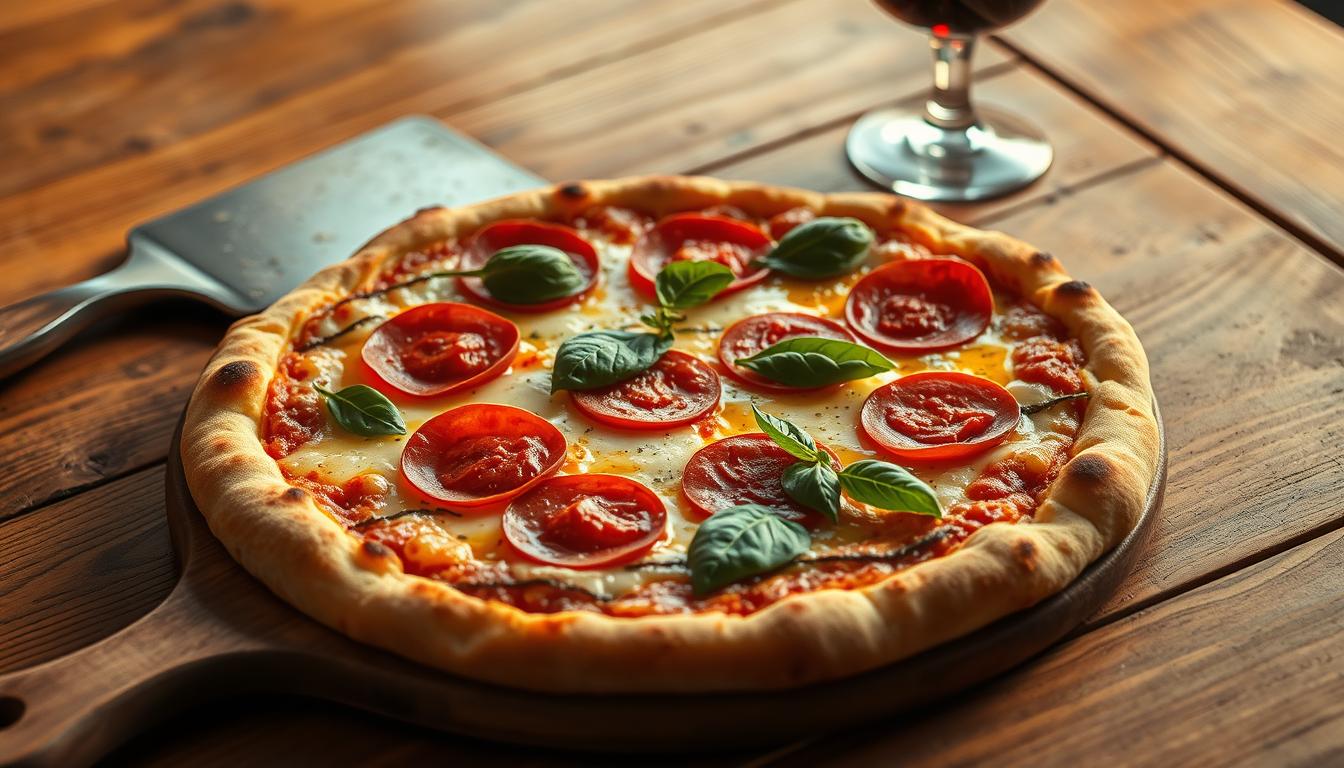
How To Make Restaurant Quality Pizza At Home With Your Oven is easier than most people think when you understand the key techniques that professional pizzerias use. You don’t need a $10,000 wood-fired oven to create crispy crusts and perfectly melted cheese – your regular home oven can produce amazing results with the right approach.
The secret lies in maximizing your oven’s heat, preparing your dough properly, and using simple tricks that mimic commercial pizza ovens. With a few adjustments to your technique and some basic equipment, you’ll be making pizzas that rival your favorite restaurant.
TL;DR
- Preheat your oven to its maximum temperature (usually 500-550°F) for at least 45 minutes with a pizza stone inside.
- Use 00 flour or bread flour for dough that creates a chewy yet crispy crust with better texture.
- Stretch dough by hand instead of rolling to preserve air bubbles that create a lighter crust.
- Use less sauce and cheese than you think – about 2-3 tablespoons sauce and 2-3 oz cheese per 12-inch pizza.
How To Make Restaurant Quality Pizza At Home With Your Oven
The foundation of restaurant-quality pizza starts with understanding heat management in your home oven. Professional pizza ovens reach temperatures of 800-900°F, while home ovens max out around 500-550°F, but you can still achieve excellent results by using every degree available.
Place a pizza stone or steel on the bottom rack of your oven and preheat for at least 45 minutes at maximum temperature. This extended preheating time ensures the stone absorbs enough heat to create the intense bottom heat that makes crusts crispy and gives you those coveted leopard spots on the bottom.
Essential Dough Preparation Techniques
Restaurant-quality pizza starts with properly made dough that has the right texture and flavor development. The type of flour you choose makes a significant difference in the final result.
Choosing the Right Flour
Use 00 flour (Caputo is a popular brand) or bread flour instead of all-purpose flour. These flours have higher protein content, which develops more gluten and creates the chewy yet tender texture that characterizes great pizza crust.
- 00 Flour – Traditional Italian flour that creates authentic Neapolitan-style crusts with excellent stretch and flavor.
- Bread Flour – Readily available alternative with 12-14% protein content that produces strong, elastic dough.
- All-Purpose Flour – Works in a pinch but produces less chewy texture and weaker gluten structure.
Proper Fermentation for Better Flavor
Cold fermentation develops complex flavors that separate homemade pizza from store-bought options. Make your dough 24-72 hours ahead and let it ferment slowly in the refrigerator.
- Mix the dough. Combine flour, water, salt, and a small amount of yeast until just combined.
- Bulk ferment. Let rise at room temperature for 1-2 hours until doubled in size.
- Divide and cold ferment. Portion into balls and refrigerate for 1-3 days for flavor development.
- Bring to room temperature. Remove from fridge 30-60 minutes before shaping for easier handling.
Shaping and Stretching Like a Pro
Hand-stretching preserves the air bubbles in your dough that create a light, airy crust with good texture. Rolling pins compress these bubbles and result in dense, flat crusts.
Start by gently pressing the dough ball from the center outward, leaving a thicker border for the crust. Then pick up the dough and let gravity help stretch it, rotating as you go until you reach your desired size.
Prevent Sticking Without Extra Flour
Use semolina flour or cornmeal on your work surface and pizza peel instead of regular flour. These coarser grains act like ball bearings, helping the pizza slide easily without adding extra flour that can burn in the oven.
Sauce and Topping Strategy
Less is more when it comes to pizza toppings – restaurants use surprisingly small amounts of sauce and cheese compared to what most home cooks apply. Too much sauce makes crusts soggy, while excessive cheese prevents proper browning and creates a greasy finish.
Sauce Application
Use 2-3 tablespoons of sauce per 12-inch pizza, spreading it thin and leaving a 1-inch border for the crust. Simple tomato sauce works best – just crushed tomatoes, salt, and maybe a touch of oregano or garlic.
Cheese Selection and Amount
Fresh mozzarella creates the most authentic flavor but releases more moisture than low-moisture mozzarella. If using fresh mozzarella, tear it into small pieces and pat dry with paper towels before using.
- Low-Moisture Mozzarella – Shreds easily, melts evenly, browns well without excess moisture.
- Fresh Mozzarella – Superior flavor and texture but requires moisture management.
- Blend Approach – Combine both types for optimal flavor and melting properties.
Oven Techniques for Maximum Heat
Your home oven has limitations, but several techniques can help you get closer to restaurant-quality results. Proper pizza stone maintenance ensures consistent heat transfer and prevents sticking issues.
Pizza Stone vs Pizza Steel
Both tools improve heat transfer, but they work differently. Pizza stones provide steady, even heat and absorb moisture for crispy bottoms, while pizza steel conducts heat more efficiently for faster cooking.
Broiler Finishing Technique
After baking your pizza for 8-10 minutes, switch to the broiler for the last 1-2 minutes to achieve better browning on the cheese and crust. Watch carefully as broilers work quickly and can burn toppings in seconds.
Timing and Temperature Control
Restaurant ovens cook pizzas in 90 seconds to 3 minutes, while home ovens typically need 10-15 minutes. This longer cooking time can dry out toppings if you’re not careful about timing and placement.
Start checking your pizza after 8 minutes, looking for golden-brown spots on the crust and bubbling cheese. The bottom should sound hollow when tapped and show some browning when you lift an edge with a spatula.
Frequently Asked Questions
Can I make good pizza without a pizza stone?
Yes, you can use an inverted baking sheet or cast iron pan preheated in the oven. While not as effective as a stone, these alternatives still provide better heat transfer than baking directly on a cold pan.
Why does my pizza crust come out soggy?
Soggy crust usually results from too much sauce, wet toppings, or insufficient oven heat. Use less sauce, pat wet ingredients dry, and make sure your oven and pizza stone are fully preheated.
How do I prevent my pizza from sticking to the peel?
Use semolina flour or cornmeal on your peel and work quickly once the dough is shaped. Keep the dough moving by giving the peel small shakes as you add toppings.
What’s the best way to reheat leftover pizza?
Heat a skillet over medium heat, place the pizza slice in the pan, cover with a lid, and heat for 2-3 minutes. This method re-crisps the bottom while melting the cheese.
Final Thoughts
How To Make Restaurant Quality Pizza At Home With Your Oven comes down to maximizing heat, using proper techniques, and understanding that less is often more with toppings. The combination of high-protein flour, proper fermentation, and careful topping application makes the biggest difference in your results.
Start with these fundamental techniques and practice them consistently – your pizza skills will improve dramatically within just a few attempts.


Ryan Conlon is a BBQ enthusiast and inspired chef on a journey through the smoky, savory world of outdoor cooking. Hailing from the heart of the Midwest, Ryan’s passion for grilling ignited during his early years, where family gatherings often revolved around the sizzle of the grill and the aroma of seasoned meats.