
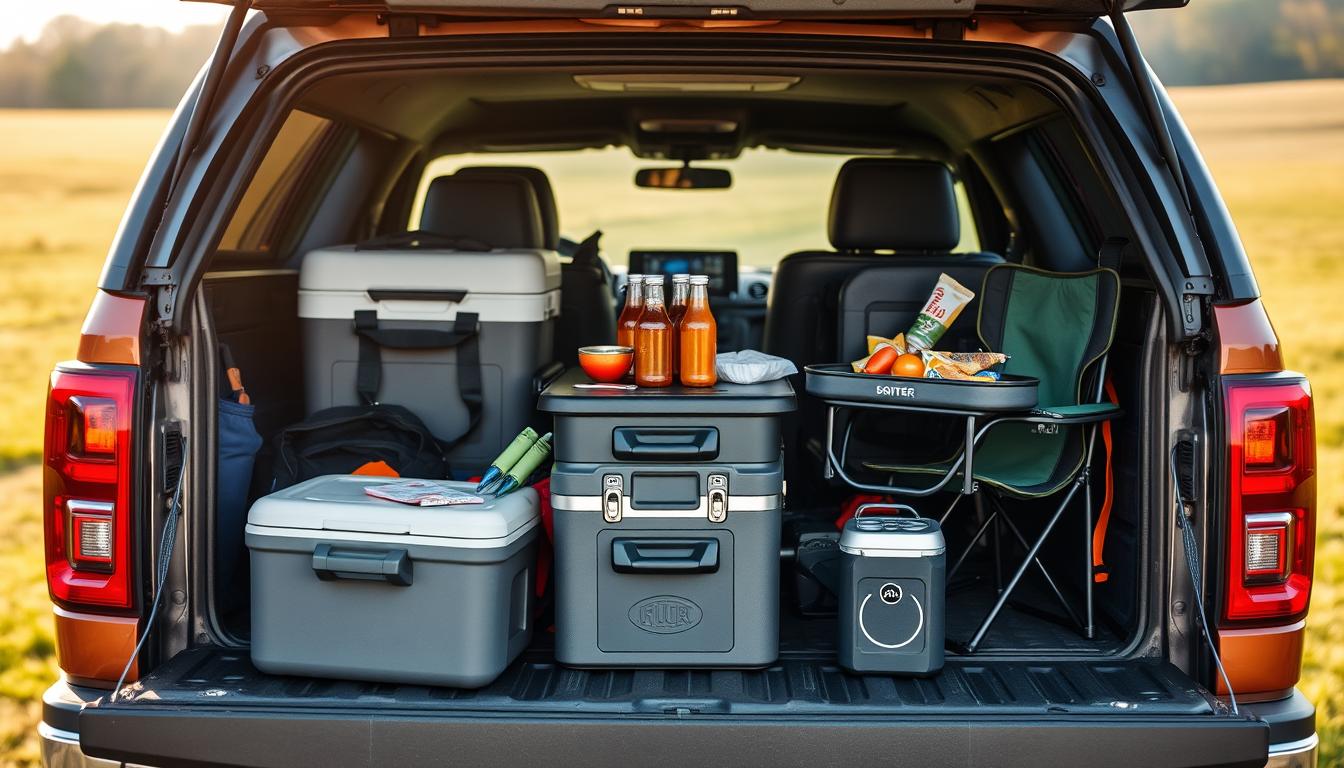
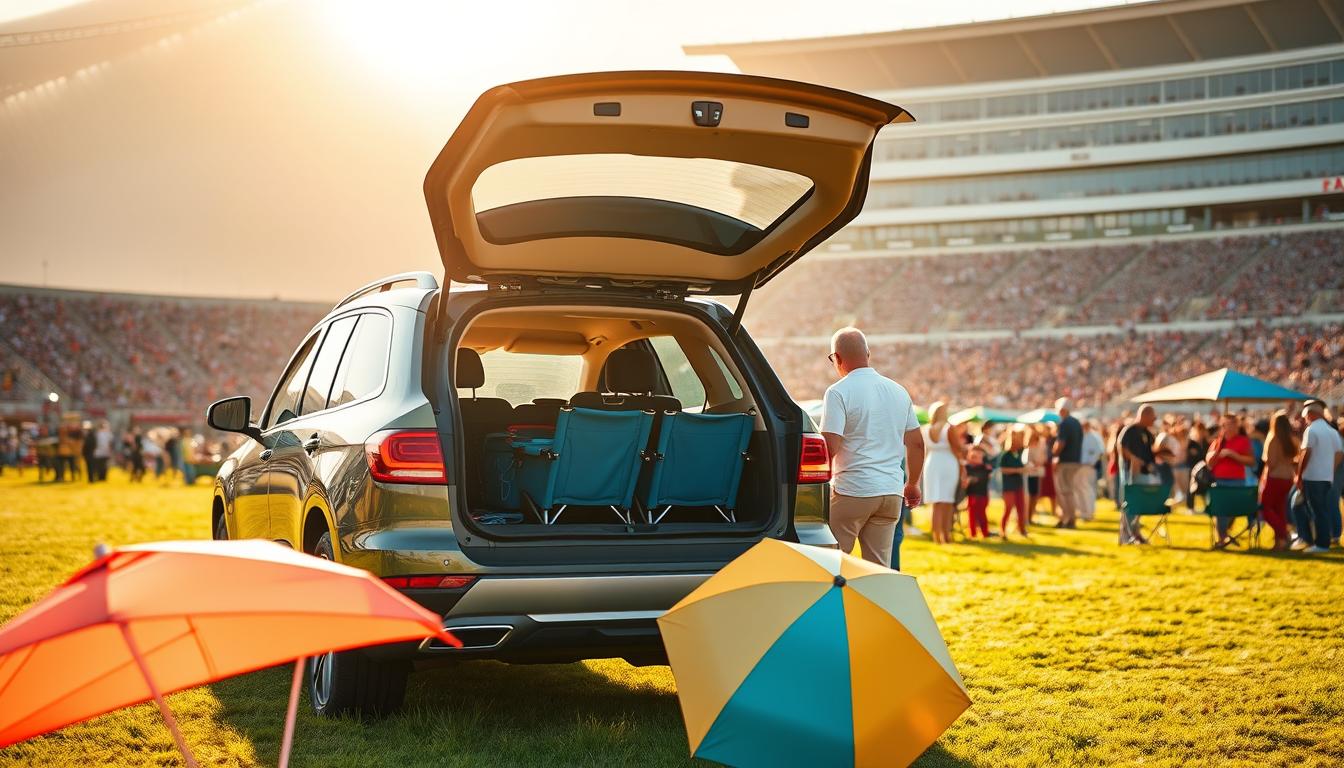
How To Pack A Tailgating Vehicle Efficiently For Game Day requires strategic planning to fit all your gear while keeping essentials accessible. The key is organizing items by priority and using every inch of available space smartly.
A well-packed vehicle means less stress on game day and more time enjoying the pre-game festivities. With the right approach, you can fit everything from grills to games without forgetting important items or creating a chaotic mess.
TL;DR
- Pack heavy items like grills and coolers first in the deepest part of your vehicle to create a stable foundation.
- Use a 24-hour cooler packing strategy – frozen items go in 12-24 hours before departure to maintain temperature.
- Keep a designated “first out” bin with setup essentials like table, chairs, and canopy for immediate access.
- Reserve 15% of your packing space for unexpected items and last-minute additions you’ll inevitably remember.
How To Pack A Tailgating Vehicle Efficiently For Game Day
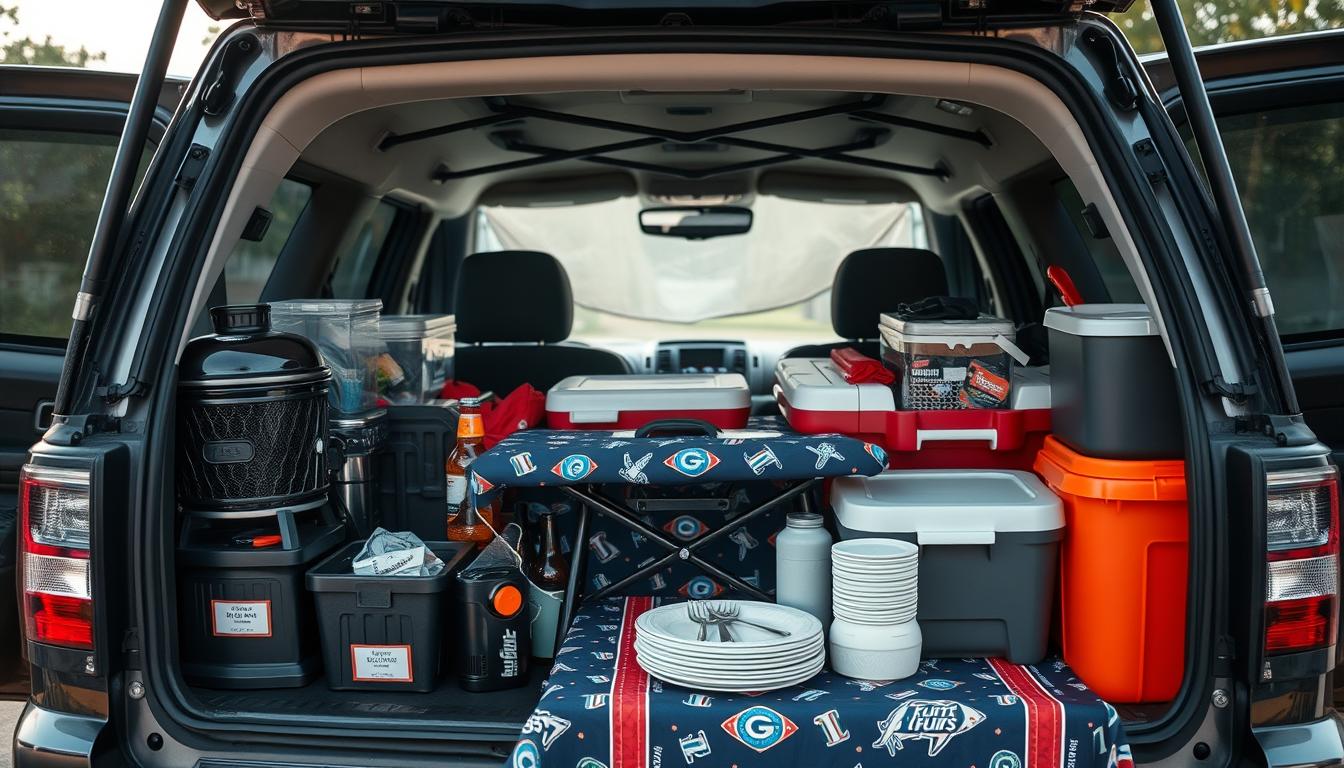
Start with your largest and heaviest items as your foundation. Place grills, large coolers, and tables in the deepest part of your vehicle first – this creates stability and prevents shifting during transport.
Work from heavy to light, filling gaps with smaller items as you build layers. This bottom-heavy approach keeps your center of gravity low and prevents dangerous load shifting on highway curves.
Essential Packing Order Strategy
Follow this systematic loading sequence to maximize space and maintain safety. Each layer builds on the previous one while keeping frequently needed items accessible.
- Foundation layer. Load grills, large coolers, and folding tables flat against the vehicle floor.
- Support layer. Add medium items like chairs, canopies, and supply boxes around the edges.
- Fill layer. Pack smaller items, food bags, and games into remaining gaps and spaces.
- Access layer. Keep setup essentials and immediate-need items on top or in easy-reach areas.
Smart Cooler and Food Packing
Pack your main cooler 12-24 hours before departure with frozen items on the bottom and drinks on top. This pre-cooling method maintains temperature longer and reduces ice melt during transport.
Use a separate smaller cooler for items you’ll access frequently throughout the day. This prevents constantly opening your main food cooler and losing precious cold air.
Temperature Zone Strategy
- Bottom zone – frozen meats, pre-made ice packs, and items that must stay coldest.
- Middle zone – dairy products, condiments, and perishable sides that need consistent cooling.
- Top zone – beverages, fruits, and items you’ll access most frequently during the tailgate.
Proper food safety practices ensure your tailgate stays fun and prevents foodborne illness from improper temperature control.
Gear Organization by Priority
Create three distinct categories based on when you’ll need each item during setup. This system prevents digging through your entire vehicle to find one essential piece of equipment.
Label storage bins or use different colored containers for each priority level. Visual organization saves time and reduces frustration when you’re setting up in a busy parking lot.
Priority Categories
- Setup essentials – canopy, tables, chairs, and basic tools needed within the first 15 minutes.
- Cooking gear – grill accessories, propane, charcoal, and cooking utensils for meal preparation.
- Entertainment items – games, speakers, decorations, and comfort items for later in the event.
Having a solid tailgating gear checklist prevents forgetting crucial items and helps you pack more systematically.
Vehicle-Specific Packing Tips
Different vehicle types require adapted packing strategies to make the most of available space. Understanding your vehicle’s unique storage areas helps you pack more efficiently and safely.
Consider your vehicle’s ground clearance, door opening angles, and weight capacity when planning your packing approach. These factors affect both what you can bring and how easily you can access it.
SUV and Truck Packing
- Truck beds – use tie-down points and cargo nets to secure loose items and prevent shifting.
- SUV cargo areas – pack vertically against seat backs and use floor space for heavy items.
- Side storage – utilize door pockets and seat-back organizers for small frequently-needed items.
Sedan and Hatchback Solutions
- Trunk tetris – pack soft items first to create custom-shaped spaces for rigid containers.
- Seat folding – maximize cargo space by folding rear seats and extending your loading area.
- Roof storage – consider a roof box or cargo carrier for lightweight bulky items like chairs and canopies.
Pack a Quick-Access Kit
Keep bottle opener, paper towels, hand sanitizer, and basic utensils in a small bag you can grab immediately. This prevents digging through packed gear for simple essentials during setup.
Safety and Legal Considerations
Secure all loose items with bungee cords, cargo nets, or tie-down straps to prevent dangerous projectiles during sudden stops. Even small items can cause serious injury if they become airborne in an accident.
Check your vehicle’s weight capacity and avoid exceeding manufacturer recommendations. Overloading affects braking distance, steering response, and tire wear – especially important for highway driving to distant stadiums.
Load Security Checklist
- Propane tanks – secure upright and ensure valve connections are tight to prevent gas leaks.
- Sharp objects – wrap grilling tools and cover sharp edges to prevent cuts during loading and unloading.
- Glass items – pad with towels or clothing and pack in rigid containers to prevent breakage.
- Heavy items – distribute weight evenly and avoid creating a back-heavy load that affects handling.
Weather-Specific Packing Adjustments
Hot weather requires extra ice, more water, and shade-creating gear like canopies and umbrellas. Pack frozen water bottles as both cooling agents and emergency hydration sources.
Cold weather tailgates need warm clothing layers, hot beverage supplies, and potentially different cooking methods. Pack items for various weather conditions to ensure comfort regardless of game day conditions.
Rain Day Modifications
- Waterproof storage – use plastic bins with tight lids for electronics and dry clothing.
- Quick shelter – pack extra tarps and a larger canopy for weather protection.
- Dry backup – bring alternative cooking methods that work under covered areas.
Unpacking Strategy for Game Day
Plan your unpacking order in reverse of how you packed – setup essentials come out first, entertainment items last. This systematic approach gets your tailgate functional quickly while avoiding chaos.
Assign specific people to handle different unpacking tasks if you’re traveling with a group. Clear role assignments prevent multiple people digging through the same areas and creating confusion.
Frequently Asked Questions
How much space should I leave for emergency items?
Reserve about 15% of your total packing space for unexpected items and last-minute additions. This buffer prevents overpacking and gives you flexibility for items you forgot or decide to bring at the last minute.
What’s the best way to pack a grill in a vehicle?
Clean your grill thoroughly and let it cool completely before packing. Place it on a stable, flat surface in your vehicle and secure it with bungee cords to prevent sliding during transport.
Should I pack food and drinks in the same cooler?
Use separate coolers when possible – drinks get accessed more frequently, causing temperature fluctuations that can spoil food. If you must use one cooler, pack drinks on top and food on the bottom with plenty of ice.
How do I prevent items from shifting during highway driving?
Pack items tightly together to eliminate empty spaces where things can slide. Use cargo nets, bungee cords, and non-slip mats to secure loose items and create a stable load.
Final Thoughts
How To Pack A Tailgating Vehicle Efficiently For Game Day comes down to systematic organization and smart space utilization. The time you invest in proper packing pays off with stress-free setup and a more enjoyable tailgating experience.
Start with your heaviest items as a foundation and work systematically through each priority level. Your fellow tailgaters will appreciate your organized approach when everything runs smoothly on game day.

Ryan Conlon is a BBQ enthusiast and inspired chef on a journey through the smoky, savory world of outdoor cooking. Hailing from the heart of the Midwest, Ryan’s passion for grilling ignited during his early years, where family gatherings often revolved around the sizzle of the grill and the aroma of seasoned meats.