
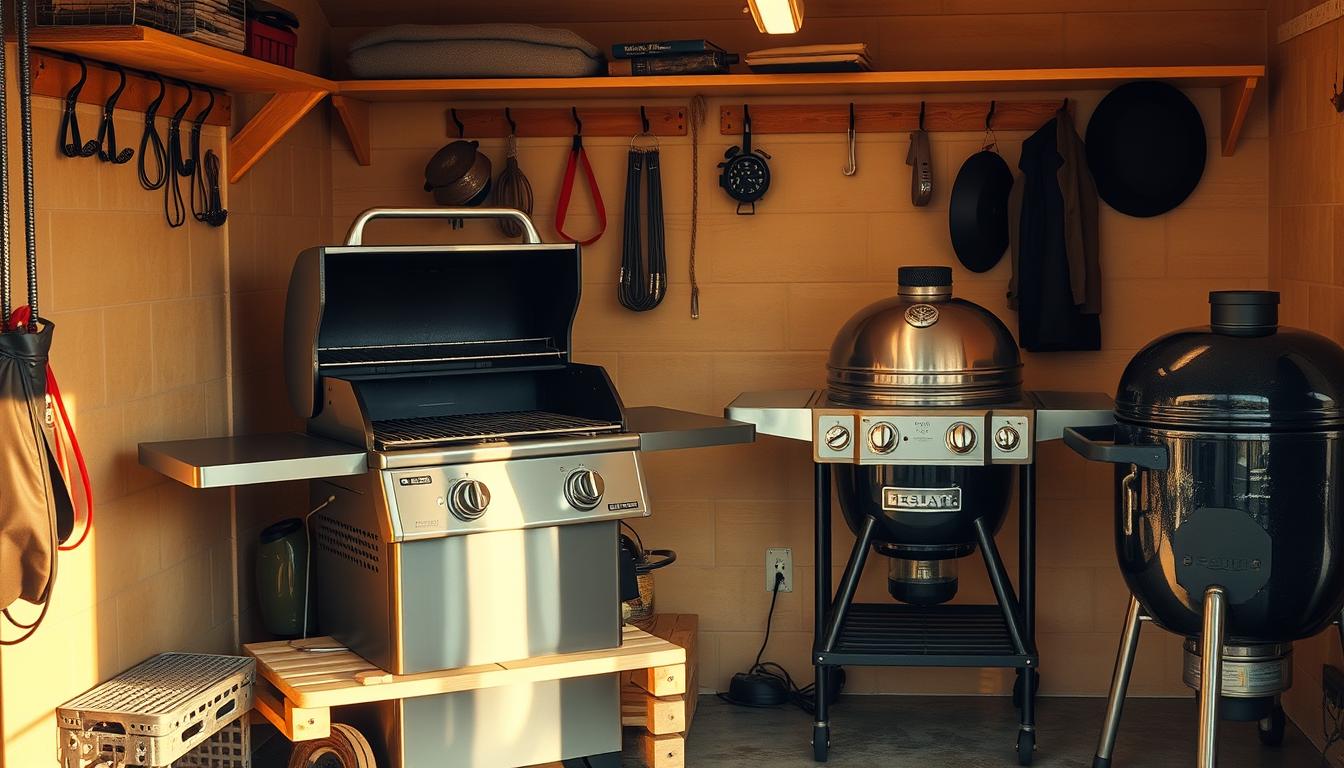
How To Store Your Grill And Smoker For Winter properly protects your investment and ensures your equipment performs like new when grilling season returns. Cold weather, moisture, and neglect can cause rust, damage seals, and create costly repairs that are easily preventable with the right preparation.
Taking time to winterize your outdoor cooking equipment now saves money and frustration later. A few simple steps keep your grill and smoker in peak condition through months of harsh weather.
TL;DR
- Clean your grill thoroughly and apply a thin coat of cooking oil to all metal surfaces to prevent rust during storage.
- Remove propane tanks and store them upright in a ventilated area above 32°F to prevent freezing and damage.
- Cover your grill with a waterproof, breathable cover and elevate it 2-3 inches off the ground to improve airflow.
- Check on stored equipment monthly and remove any snow or ice buildup to prevent structural damage.
How To Store Your Grill And Smoker For Winter
Winter storage starts with a deep clean that removes grease, food particles, and moisture that attract pests and cause corrosion. Scrub all cooking grates, drip pans, and interior surfaces with warm soapy water, then dry everything completely.
Remove ash from charcoal grills and smokers since wet ash becomes highly corrosive over time. Check all removable parts like warming racks, flavorizer bars, and heat tents for damage while cleaning – winter downtime is perfect for ordering replacement parts.
Protecting Metal Surfaces
Apply a light coating of cooking oil or specialized grill conditioner to all metal surfaces after cleaning. This creates a protective barrier against moisture and prevents rust formation during storage months.
Pay special attention to hinges, handles, and any exposed bolts or screws. Essential BBQ tools like your cleaning brushes and scrapers also need this protection before storage.
Gas Grill Winter Preparation
Disconnect and remove propane tanks from gas grills before winter storage. Tanks should never be stored in enclosed spaces like garages or basements due to safety regulations.
Store propane tanks upright in a well-ventilated outdoor area where temperatures stay above freezing. Extremely cold temperatures can damage tank valves and create safety hazards when you reconnect them in spring.
Gas Line Maintenance
Check all gas connections for leaks using soapy water before disconnecting tanks. Bubbling indicates a leak that needs repair before next season.
Cap or plug gas line openings to prevent insects and debris from entering the system. Small animals often build nests in unused gas lines during winter months.
Charcoal Grill and Smoker Storage
Empty all charcoal and wood chips from your grill or smoker since moisture can cause them to deteriorate and create mess. Store unused charcoal in airtight containers in a dry location.
Remove and clean all ash from the firebox and ash pan. Temperature control on charcoal smokers depends on clean airflow passages that can get blocked by accumulated debris.
Damper and Vent Care
Leave dampers and vents slightly open during storage to promote air circulation and prevent moisture buildup. Completely closed vents can trap humid air and accelerate rusting.
Check that all moving parts operate smoothly and apply a small amount of high-temperature grease to hinges if needed. This prevents parts from seizing up during months of non-use.
Storage Location Tip
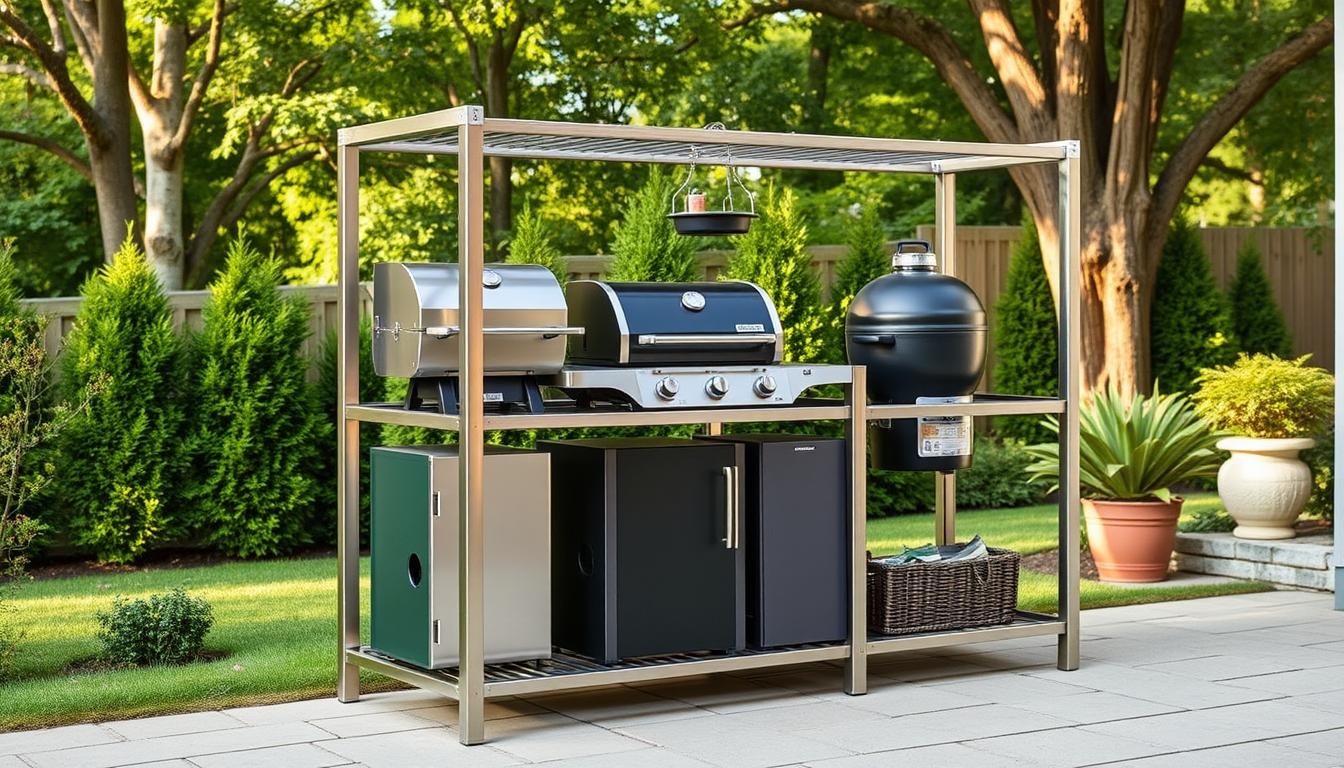
Choose a storage spot that stays dry but allows some air circulation around your grill. Completely enclosed spaces without airflow can trap moisture and cause more damage than outdoor storage with proper covering.
Covering and Protection
Invest in a high-quality waterproof cover that fits your specific grill model. Generic covers often don’t provide adequate protection and can blow off in winter storms.
Look for covers with ventilation panels that allow moisture to escape while keeping rain and snow out. Breathable materials prevent condensation buildup that leads to rust and mold growth.
Elevation and Airflow
Raise your grill 2-3 inches off the ground using blocks or a platform to improve airflow underneath. This prevents moisture from pooling around the base and reduces rust formation on legs and wheels.
Position the covered grill away from areas where snow and ice accumulate heavily. BBQ safety includes protecting your equipment from structural damage caused by heavy snow loads.
Indoor Storage Considerations
Garages and sheds work well for grill storage if you have space and proper ventilation. Remove propane tanks first and ensure the space stays dry throughout winter.
Unheated spaces are fine as long as they protect from direct moisture exposure. Avoid storing grills in damp basements or areas prone to flooding.
Apartment and Condo Storage
Check building regulations before storing grills on balconies or in storage units. Many facilities prohibit propane tanks in enclosed storage areas.
Consider renting a small outdoor storage unit specifically for your grilling equipment if indoor options aren’t available. The cost often pays for itself by preventing replacement needs.
Winter Maintenance Checks
Inspect your stored grill monthly during winter months, especially after heavy storms. Remove snow and ice buildup promptly to prevent structural damage.
Look for signs of pest intrusion like droppings or nesting materials around vents and openings. Address problems immediately to prevent more extensive damage.
Spring Preparation Planning
Use winter months to research upgrades and plan maintenance projects for spring. Seasoning your smoker or replacing worn parts becomes easier when you’re not rushing to get ready for the first cookout.
Order replacement parts during off-season when prices may be lower and availability is better. Grates, covers, and accessories often go on sale during winter months.
Frequently Asked Questions
Should I leave my grill outside all winter?
Yes, outdoor storage is fine with proper covering and preparation. Many grills are designed for year-round outdoor exposure when properly protected.
Can I store propane tanks in my garage during winter?
No, propane tanks should not be stored in enclosed spaces like garages or basements. Store them upright outdoors in a ventilated area above freezing temperatures.
How often should I check on my stored grill during winter?
Check monthly and after major storms to remove snow buildup and inspect for damage. Regular checks prevent small issues from becoming expensive repairs.
Do I need to oil my grill grates before winter storage?
Yes, apply a light coat of cooking oil to all metal surfaces including grates to prevent rust. This protection is essential for maintaining your equipment during months of storage.
Final Thoughts
How To Store Your Grill And Smoker For Winter takes minimal effort but provides major benefits when grilling season returns. Proper cleaning, protection, and storage location choices keep your equipment performing like new for years.
Start your winter prep this week while weather is still manageable. Your backyard BBQ station will be ready for action as soon as spring arrives.


Ryan Conlon is a BBQ enthusiast and inspired chef on a journey through the smoky, savory world of outdoor cooking. Hailing from the heart of the Midwest, Ryan’s passion for grilling ignited during his early years, where family gatherings often revolved around the sizzle of the grill and the aroma of seasoned meats.