
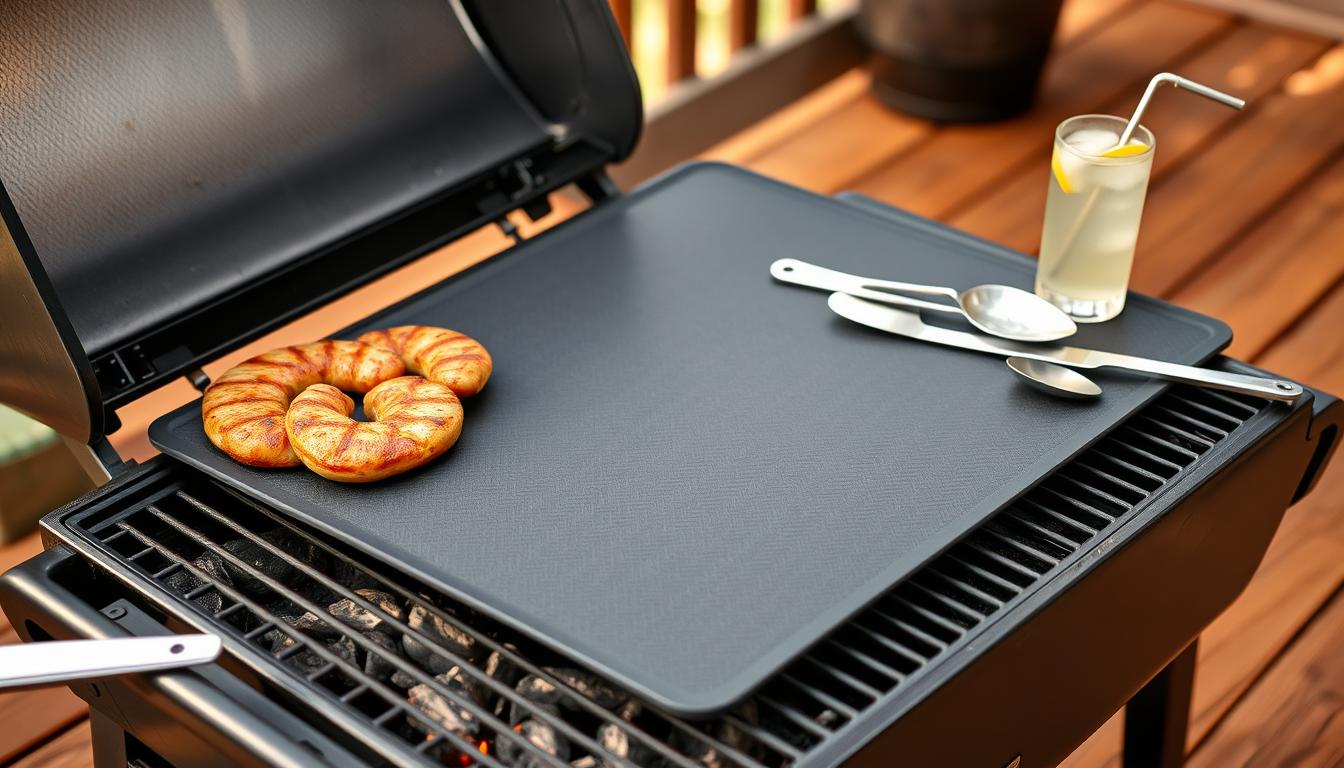
How Using Grill Mats Can Prevent Sticking and Reduce Cleanup Time is a game-changer for anyone who loves grilling but hates the mess that comes afterward. These thin, non-stick surfaces create a barrier between your food and the grill grates, eliminating the frustration of stuck-on foods and hours spent scrubbing.
Whether you’re grilling delicate fish, vegetables, or marinated meats, grill mats offer a simple solution that keeps flavors intact while making cleanup almost effortless. They work on gas, charcoal, and electric grills, giving you consistent results every time you fire up your outdoor cooking setup.
TL;DR
- Grill mats reduce cleanup time by up to 75% compared to cooking directly on grill grates.
- Heat-resistant mats can withstand temperatures up to 500°F without warping or releasing harmful chemicals.
- A single grill mat can be reused over 100 times with proper cleaning and storage.
- Food cooks 20% more evenly on grill mats because they eliminate hot spots from uneven grate spacing.
How Using Grill Mats Can Prevent Sticking and Reduce Cleanup Time
Grill mats work by creating a non-stick surface that sits directly on your grill grates. The PTFE (polytetrafluoroethylene) coating prevents food from making direct contact with metal surfaces while still allowing heat transfer for proper cooking.
This barrier eliminates the common problem of proteins and marinades bonding to hot metal grates. Instead of scraping burnt cheese or stuck fish off your grill after cooking, you simply remove the mat and wash it with soap and water.
Temperature Distribution Benefits
Grill mats create more even heat distribution across your cooking surface. Traditional grill grates have gaps that create hot and cool zones, leading to uneven cooking and potential sticking in high-heat areas.
The continuous surface of a grill mat spreads heat more consistently, reducing the chances of food burning in one spot while remaining undercooked in another. This even heating also prevents the temperature spikes that cause proteins to seize up and stick to surfaces.
Types of Grill Mats and Their Applications
Different grill mat materials serve specific cooking needs and temperature ranges. Understanding these options helps you choose the right mat for your grilling style and food preferences.
- PTFE-coated fiberglass mats – Most common type, handles up to 500°F, perfect for everyday grilling.
- Copper-infused mats – Enhanced heat distribution, good for delicate foods like fish and vegetables.
- Silicone mats – Flexible and easy to clean, ideal for foods with heavy sauces or marinades.
- Perforated mats – Allow some direct flame contact while preventing small foods from falling through grates.
Sizing and Fit Considerations
Most grill mats come in standard 13×15 inch sizes that fit most home grills. You can trim them with scissors to match your exact grill dimensions or use multiple mats for larger cooking surfaces.
Measure your cooking area before purchasing to ensure full coverage. Partial coverage can create uneven cooking results and still leave you with some cleanup on exposed grate areas.
Proper Setup and Usage Techniques
Setting up grill mats correctly ensures maximum performance and longevity. Start by preheating your grill to medium heat – avoid high temperatures during initial setup to prevent mat damage.
Place the mat directly on clean grill grates with the smooth side facing up. The mat should lay flat without wrinkles or bubbles that could create uneven cooking surfaces or weak points.
- Preheat verification. Check that your grill temperature stays below the mat’s maximum rating, typically 500°F.
- Food placement. Arrange food on the mat with space between pieces for proper air circulation.
- Cooking monitoring. Use normal cooking times but check food slightly earlier since mats can speed up cooking.
- Safe removal. Let the mat cool completely before handling to avoid burns or mat damage.
Foods That Work Best with Grill Mats
Certain foods benefit more from grill mat cooking than others. Delicate proteins like fish fillets and seafood stay intact instead of falling apart on traditional grates.
Vegetables, especially small pieces like diced peppers or asparagus spears, cook evenly without falling through grate gaps. Cheese-topped items and heavily marinated meats also work well since the mat catches drips and prevents flare-ups.
Pre-Season New Mats
Wash new grill mats with warm soapy water before first use to remove manufacturing residues. This simple step prevents any off-tastes and ensures optimal non-stick performance from day one.
Cleaning and Maintenance Best Practices
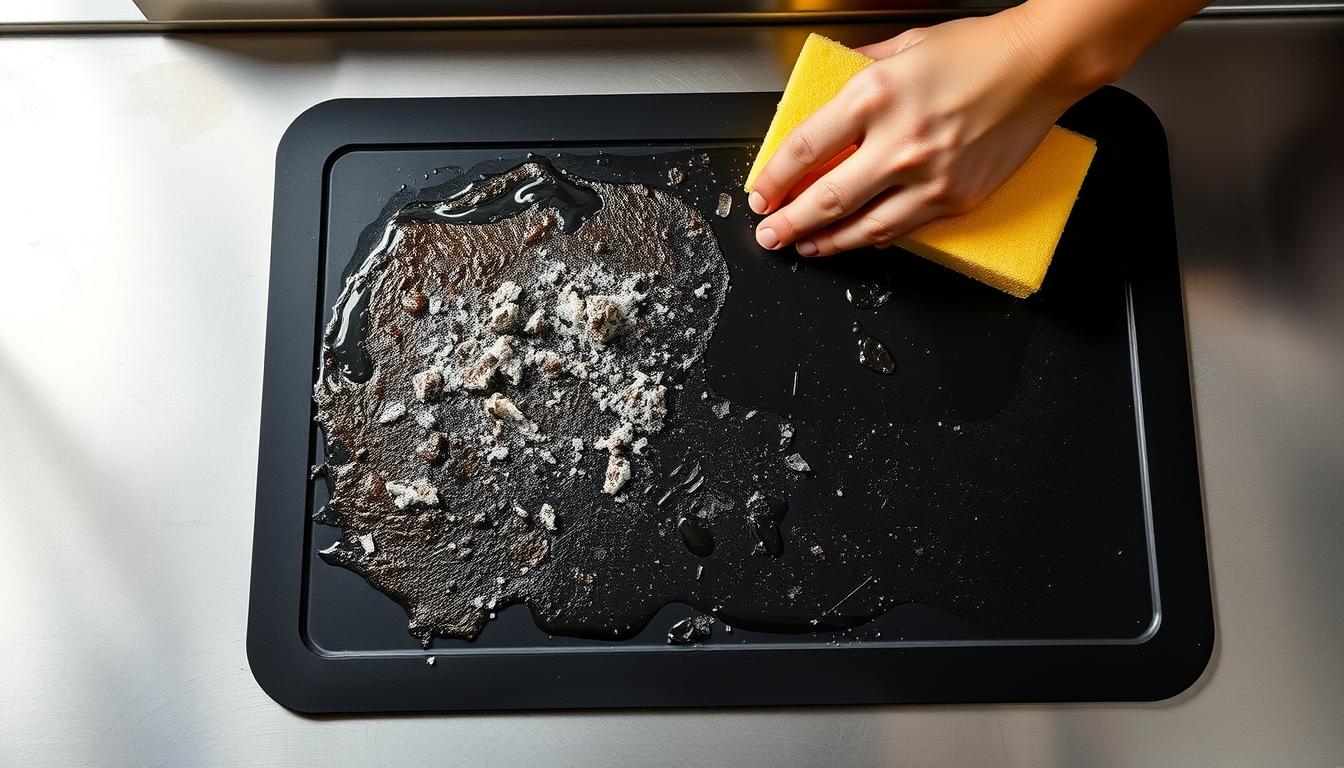
Proper cleaning extends grill mat life and maintains their non-stick properties. Wash mats in warm soapy water immediately after use while they’re still warm but not hot.
Avoid abrasive cleaners or scrub brushes that can damage the non-stick coating. A soft sponge or cloth removes most food residue easily, while stubborn spots respond to gentle soaking.
Storage and Longevity Tips
Store clean, dry mats flat or rolled loosely to prevent creasing. Avoid folding or storing them under heavy items that could create permanent damage lines.
Replace mats when you notice the non-stick coating wearing thin or developing cuts. A well-maintained mat typically lasts 100-150 cooking sessions before replacement becomes necessary.
Common Mistakes and How to Avoid Them
Using grill mats at excessive temperatures is the most common error that leads to premature failure. Always verify your grill temperature before placing mats, and adjust heat as needed to stay within safe ranges.
Another frequent mistake involves using metal utensils directly on the mat surface. Stick to plastic, wood, or silicone tools to prevent punctures and scratches that compromise the non-stick coating.
- Overheating prevention – Monitor grill temperature and adjust vents or gas settings to maintain proper heat levels.
- Tool selection – Use only non-metal utensils to flip and move food on mat surfaces.
- Cleaning timing – Clean mats while warm but not hot for easiest food removal.
- Storage protection – Keep mats away from sharp objects and extreme temperatures when not in use.
Safety Considerations
Quality grill mats from reputable manufacturers meet food safety standards and don’t release harmful chemicals at normal cooking temperatures. However, exceeding temperature limits can cause mat degradation and potential health concerns.
Always follow manufacturer guidelines for maximum temperatures and replacement schedules. When in doubt about mat condition, err on the side of safety and replace questionable mats rather than risk exposure to degraded materials.
Frequently Asked Questions
Can grill mats be used on both gas and charcoal grills?
Yes, grill mats work on gas, charcoal, and electric grills as long as temperatures stay within the mat’s rated limits. The heat source doesn’t matter – only the temperature control.
Do grill mats affect the taste of food?
Quality grill mats don’t change food taste when used properly. You’ll still get heat and smoke flavors while avoiding the metallic taste that sometimes comes from food sticking to dirty grates.
How many times can you reuse a grill mat?
A well-maintained grill mat typically lasts 100-150 cooking sessions. Proper cleaning and storage extend mat life, while excessive heat or rough handling reduces it.
Can you cut grill mats to fit smaller grills?
Yes, you can trim grill mats with regular scissors to fit any grill size. Cut slowly and measure twice to ensure proper fit without wasting material.
Are grill mats dishwasher safe?
Most grill mats are dishwasher safe on the top rack, but hand washing with warm soapy water is gentler and extends mat life. Check manufacturer instructions for specific care guidelines.
Final Thoughts
How Using Grill Mats Can Prevent Sticking and Reduce Cleanup Time makes outdoor cooking more enjoyable and less stressful. These simple tools eliminate the biggest frustrations of grilling while maintaining the flavors and cooking results you want.
Start with a basic PTFE mat to test the benefits, then explore specialized options based on your cooking style. The time saved on cleanup alone makes grill mats a worthwhile investment for any outdoor cook.

Ryan Conlon is a BBQ enthusiast and inspired chef on a journey through the smoky, savory world of outdoor cooking. Hailing from the heart of the Midwest, Ryan’s passion for grilling ignited during his early years, where family gatherings often revolved around the sizzle of the grill and the aroma of seasoned meats.