Pellet Smoker Troubleshooting: Common Issues and Fixes
Home – Accessories – Pellet Smoker Troubleshooting: Common Issues and Fixes
First Posted November 22, 2025 | Last Updated on November 22, 2025 by BBQ Pit Master
Disclosure: This Post Contains Affiliate Links; We earn a commission on purchases.
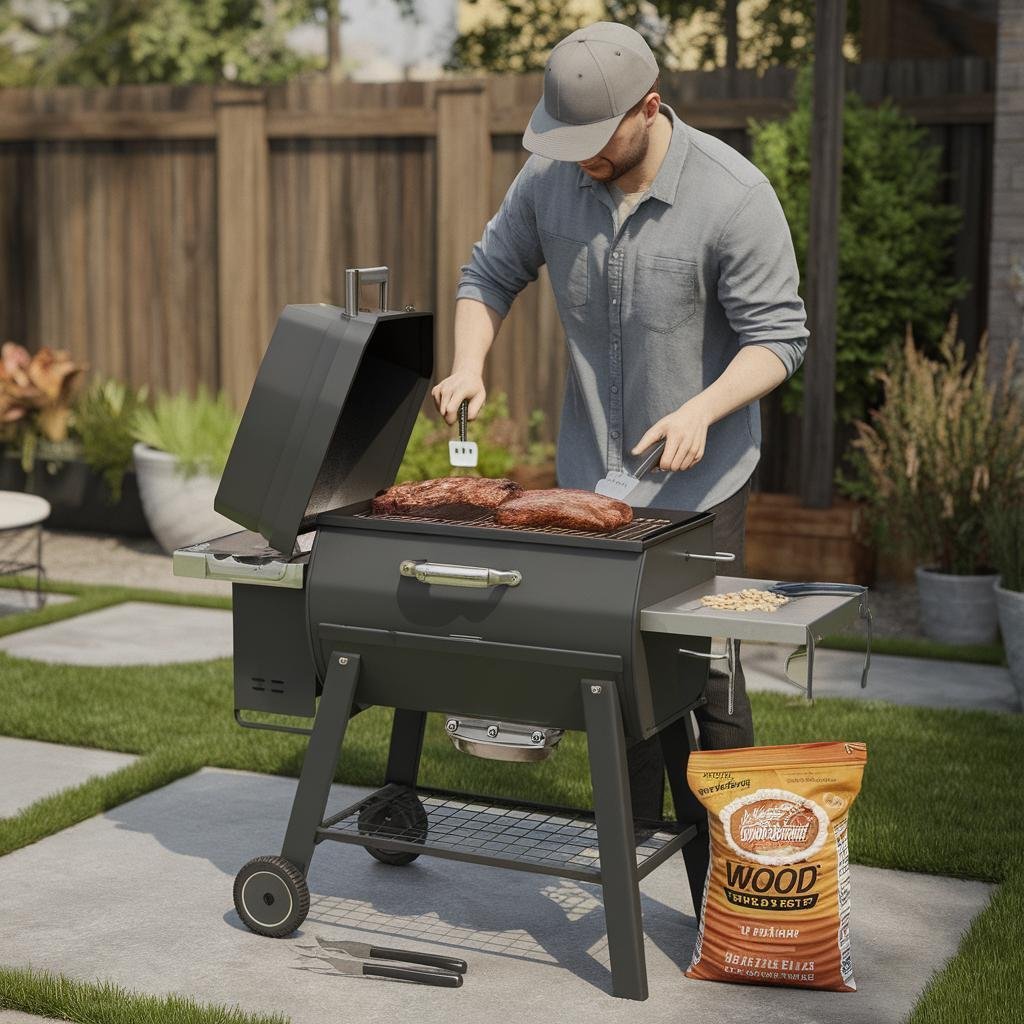
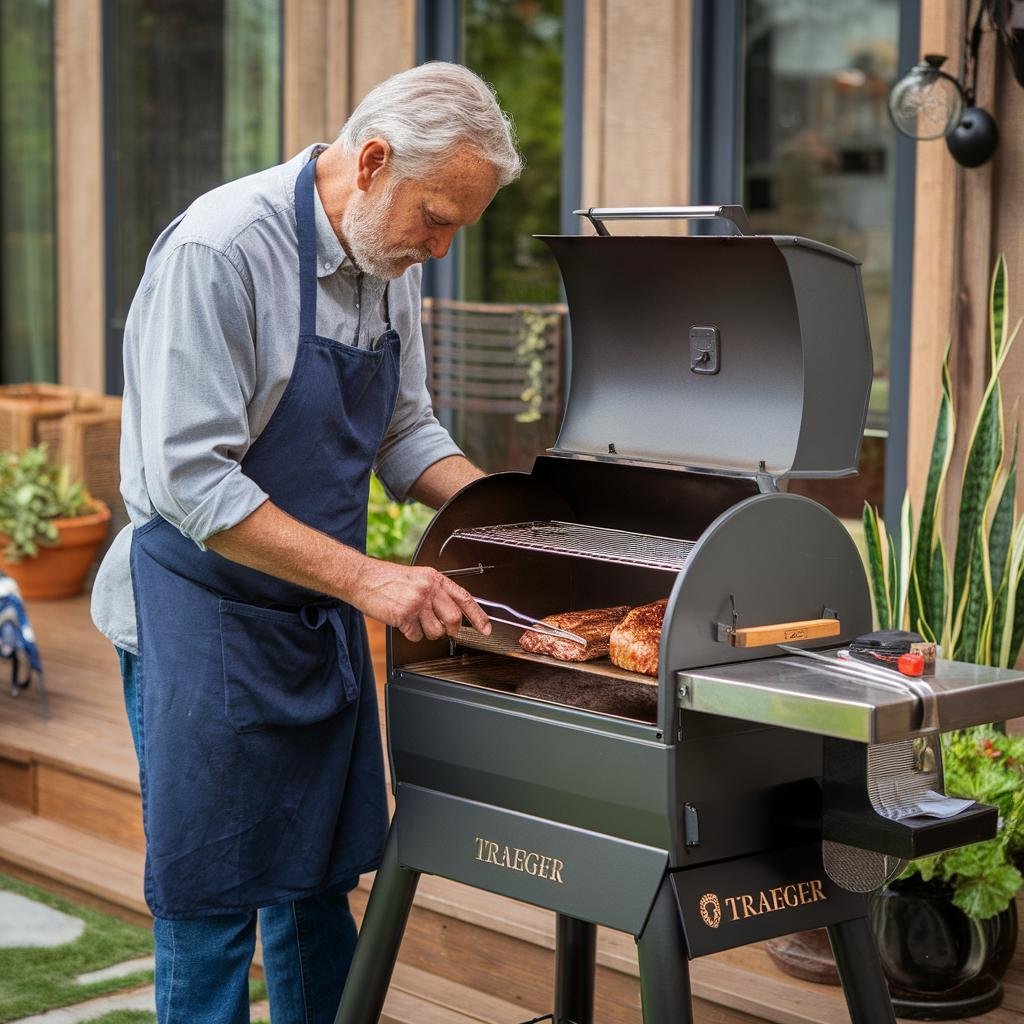
A pellet grill makes outdoor cooking easy and fun. It lets you make delicious smoked meat at home. But, it can sometimes have problems.
Knowing how to fix common issues is key. Problems like temperature changes and igniter issues can happen. By solving these, you can make sure your smoked food is perfect.
Key Takeaways
Common issues with pellet smokers include temperature fluctuations and igniter problems.
Proper maintenance is vital for the best performance.
Troubleshooting can save time and improve the quality of smoked meats.
Understanding how to fix common problems is essential for pellet grill owners.
Regular maintenance can prevent many common issues.
To fix pellet smoker issues, you need to know how they work. Pellet grills need power for their parts: controller, auger, fan, and igniter. Knowing how these parts work together helps find problems.
Basic Components and How They Work
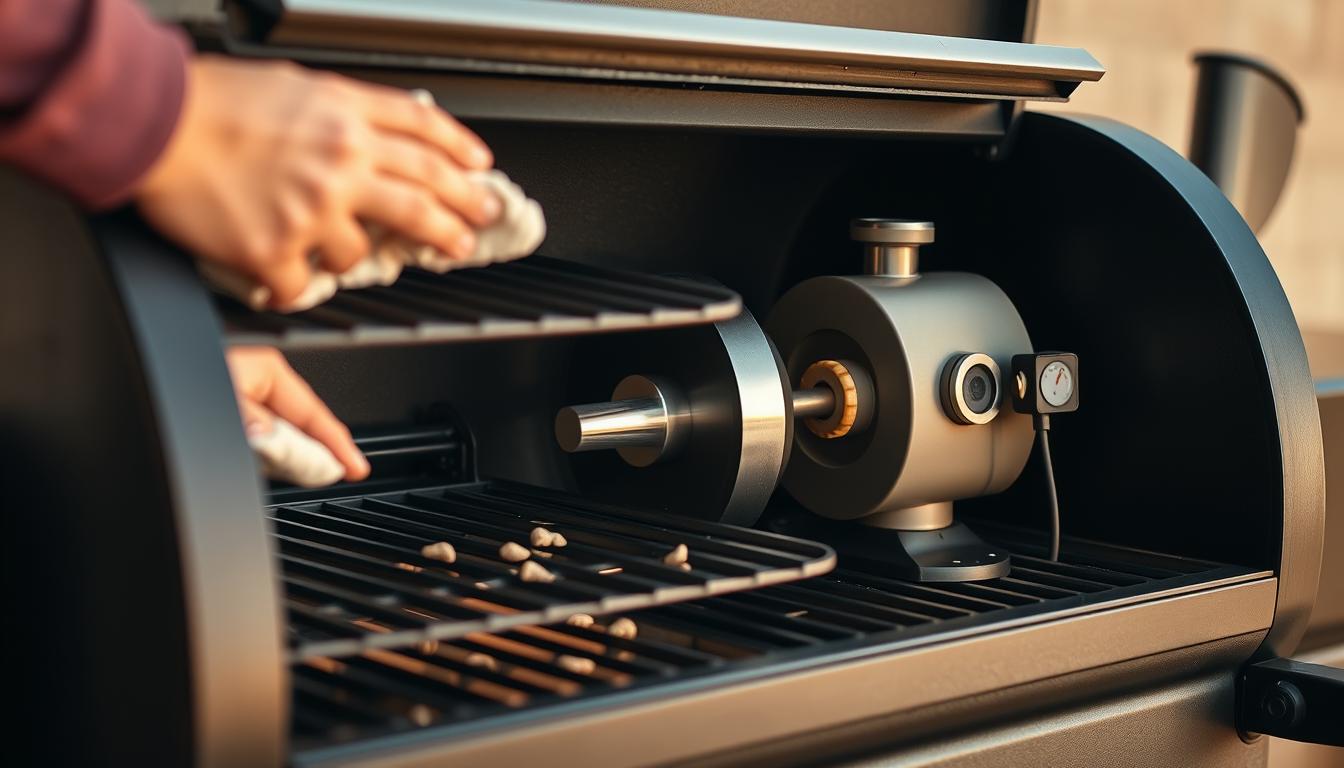
The main parts of a pellet smoker are the controller, RTD probe/thermocouple, igniter, auger motor, and fan. Each part is important for smoking. The controller controls the temperature, and the RTD probe/thermocouple checks it. The igniter lights the fire, the auger motor feeds pellets, and the fan helps with airflow.
Common Failure Points in Pellet Smokers
Common problems include temperature control, pellet feed, and ignition issues. Here’s a table that shows these problems:
Component
Common Issue
Potential Fix
Controller
Temperature fluctuations
Check settings, ensure proper calibration
Auger Motor
Pellet feed jams
Clear auger, check for blockages
Igniter
Failure to ignite
Inspect igniter, replace if necessary
Signs Your Smoker Needs Attention
Signs your smoker needs help include inconsistent temperatures, failure to ignite, or uneven cooking. Knowing how the parts work and what to watch for helps fix problems. This ensures your pellet smoker works well.
Pellet Smoker Troubleshooting: A Systematic Approach
To keep your pellet smoker running smoothly, it’s key to use a structured troubleshooting method. This method helps you find and fix problems fast. It also keeps your cooking quality high.
Essential Safety Precautions Before Troubleshooting
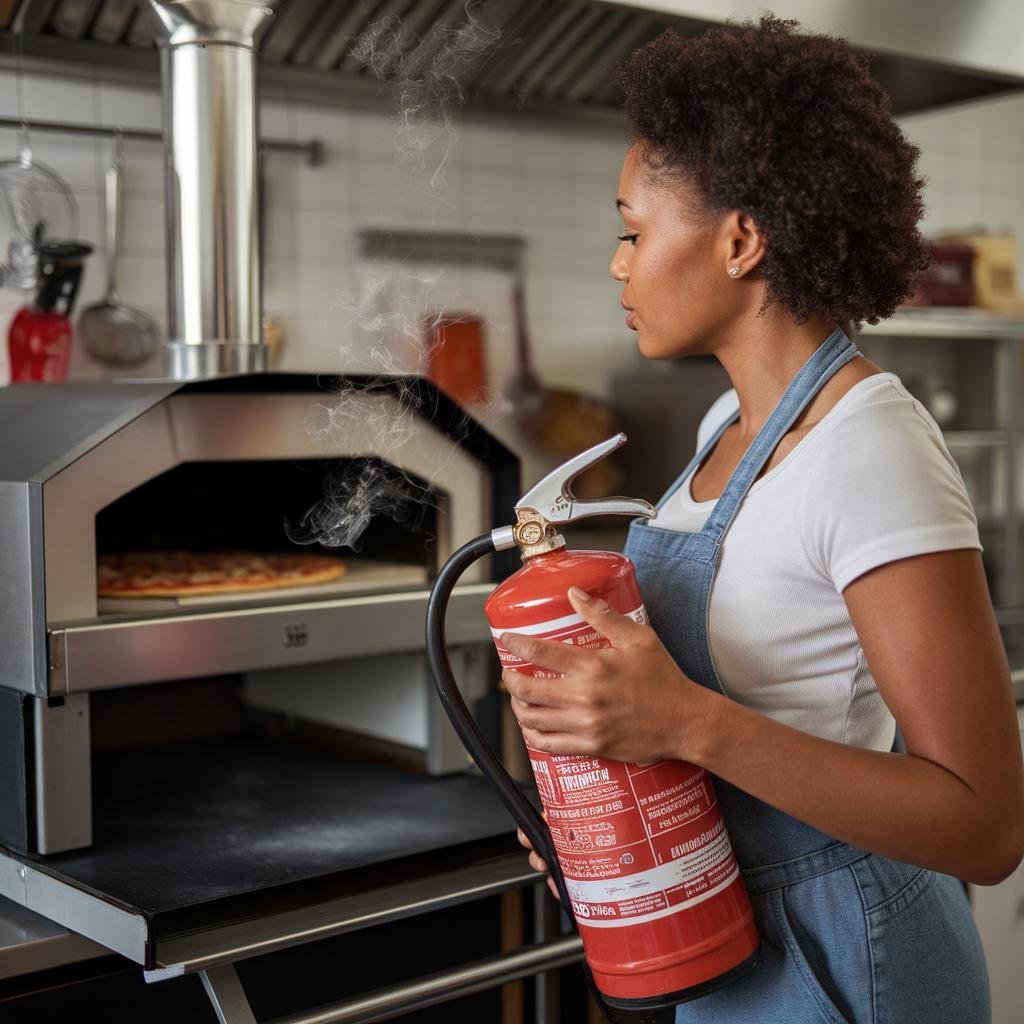
Before you start, make sure you’re safe. Unplug the smoker and wear gloves and safety glasses. This keeps you safe from electrical and mechanical dangers.
Diagnostic Steps to Identify Problems
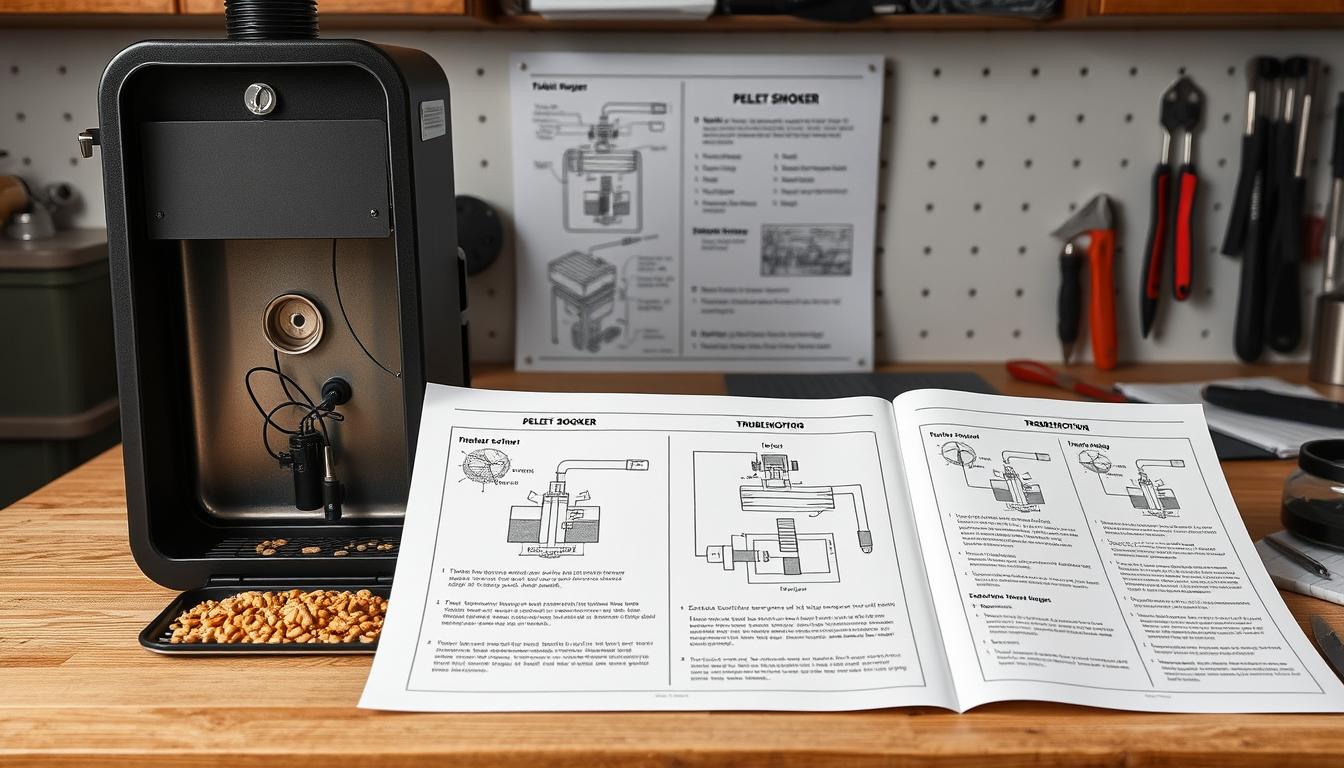
Start by checking the power source and looking for blockages in the auger and vents. Also, test the igniter and temperature probe. For more help, check out the Pit Boss Troubleshooting Guide.
Component
Common Issue
Diagnostic Step
Igniter
Failure to ignite
Check for proper connection and clean any debris
Temperature Probe
Inaccurate readings
Inspect for damage and calibrate or replace if necessary
Auger
Blockages or jams
Clear any obstructions and ensure proper pellet flow
Tools Needed for Basic Repairs
Having the right tools makes repairs easier. You’ll need a screwdriver set, pliers, and a multimeter for electrical checks.
If you face complex issues like controller or electronic problems, get professional help. These issues are hard to fix without the right tools and knowledge.
Ignition and Fire Management Issues
Getting the most out of your pellet smoker means keeping the ignition and fire management right. Problems here can cause uneven temperatures, bad smoke flavor, and safety risks.
Resolving Igniter Problems
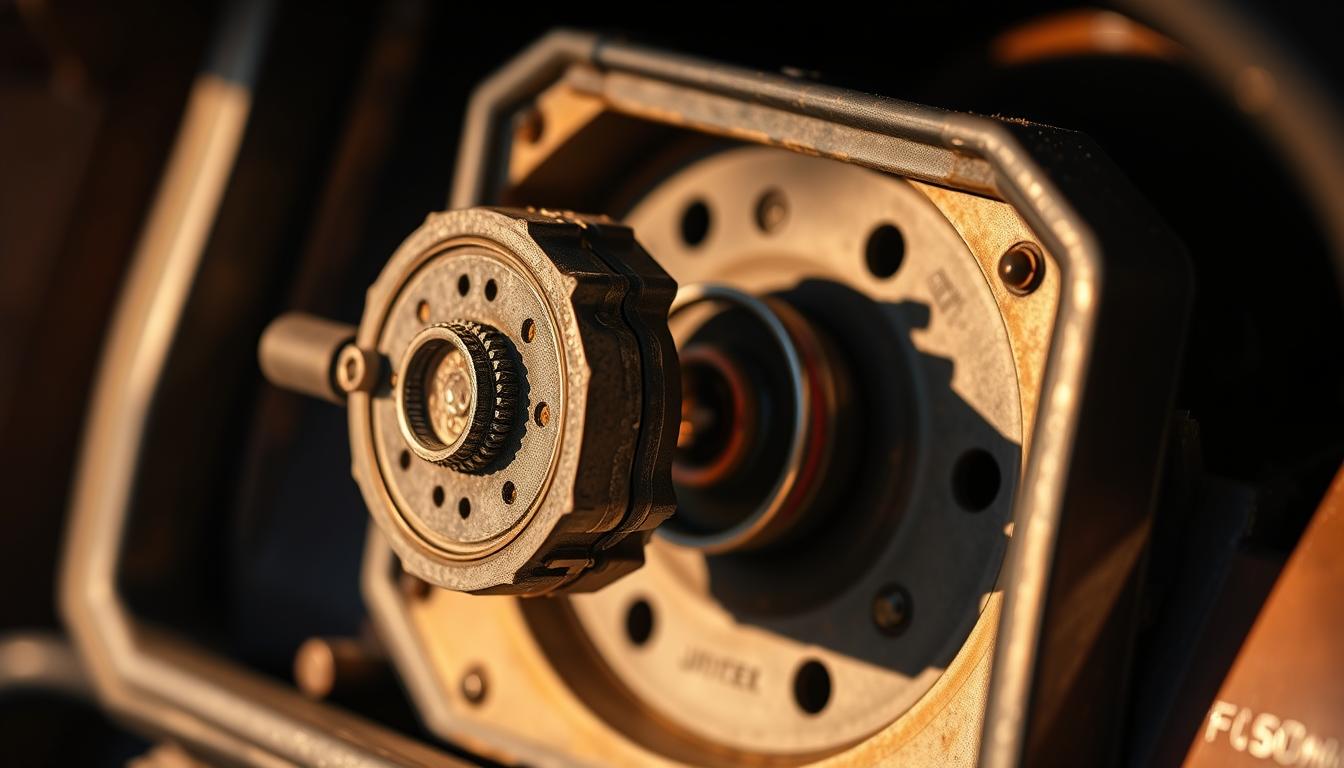
The igniter is key for lighting the pellets in your smoker. To fix igniter issues, try cleaning the igniter and checking connections. If it doesn’t work, you might need a new hot rod.
Hot Rod Replacement Tips
Make sure to get a hot rod that fits your smoker. Follow the maker’s guide for removing and putting it back in place. This helps avoid damage to other parts.
Fixing Flame Outs During Operation
Flame outs can happen for many reasons, like bad pellets, clogged augers, or wrong airflow. Check the pellets for moisture and clear the auger. Also, tweak the airflow to keep the flame steady.
Managing Excessive Smoke or Flare-ups
To deal with too much smoke or flare-ups, adjust the airflow. Also, keep your smoker clean and free of junk. Regular upkeep helps avoid these problems.
Adjusting Air Flow for Optimal Burning
Right airflow is vital for a steady burn. Use the vents as the maker suggests to get the best airflow. Watch your smoker’s performance and adjust as needed.
Temperature Control and Sensor Problems
Fixing temperature issues is key for a great pellet smoker. The right temperature is essential for cooking meat well.
Troubleshooting Temperature Fluctuations
Many things can cause temperature swings. A bad temperature probe, a faulty controller, or wind can all play a part. First, check the probe for any problems. Make sure it’s clean and well-connected.
If it’s damaged, you might need to replace the probe. Wind and extreme temperatures can also affect your smoker. A windshield or shelter can help keep things steady.
Fixing Temperature Probe Malfunctions
The temperature probe is vital for your smoker’s temperature control. If it’s not working right, your smoker can’t keep the right temperature. Regular cleaning can help avoid many problems.
If cleaning doesn’t fix it, you might have to replace the temperature probe.
Resolving Controller and Electronic Issues
The controller is the heart of your pellet smoker, handling temperature and pellet feed. Problems with the controller can cause temperature issues. Try resetting the controller to its default settings.
If it’s not fixed, look for firmware updates or get help from the maker.
Calibrating Your Temperature Settings
Calibrating your smoker’s temperature is important. It makes sure your smoker works right. This means adjusting the temperature to match an outside thermometer.
Regular calibration makes your smoker better and your barbecue tastier. To calibrate, use an outside thermometer inside the smoker. Compare its reading to the smoker’s display. Then, adjust the smoker’s temperature to match.
Pellet Feed System and Error Code Solutions
Understanding and troubleshooting the pellet feed system is key to fixing common issues with your pellet smoker. This system is vital for a steady supply of pellets to the firepot. It keeps the temperature right and the cooking conditions perfect.
Clearing Auger Jams and Feed Problems
Auger jams happen when there’s too much pellets or blockages in the auger tube. To fix these jams, start by removing extra pellets from the hopper. Then, check the auger tube for any blockages. Regular cleaning and upkeep can stop these problems before they start.
Decoding Common Error Messages
Pellet smokers show error codes to point out specific problems. For example, issues with the temperature probe or the auger are common. Knowing these codes helps you troubleshoot quickly.
Traeger Error Codes and Fixes
Traeger pellet smokers have their own error codes that need special fixes. Check your user manual or the manufacturer’s website for more info. They’ll have detailed explanations and solutions for these codes.
Pit Boss and Other Brand Error Codes
Pit Boss and other brands also have their own error codes. For instance, you can find guides on fixing Pit Boss grill problems here. Knowing these codes helps you quickly find and solve issues.
Preventing Pellet Moisture and Quality Issues
To avoid pellet moisture and quality problems, store your pellets in a dry spot. Keep them away from sunlight and moisture. Using top-quality pellets also ensures the best performance and taste.
Conclusion
Effective pellet smoker troubleshooting is key to perfect smoked meats. Knowing common problems and how to fix them helps a lot. This includes fixing ignition, temperature, and pellet feed issues.
Keeping your pellet grill in good shape is important. Clean it regularly and check its parts. Make sure you use the right pellets and protect your grill from strong winds. These steps help avoid problems and keep your grill working well.
With the right skills, you can handle pellet smoker issues easily. This means you’ll always have tasty, smoked food. Plus, your grill will last longer.
FAQ
What are the most common issues with pellet smokers?
Issues with pellet smokers include temperature problems, igniter issues, auger jams, and too much smoke. Knowing how to solve these problems can save you time. It also helps ensure your smoked meats are perfect.
How do I troubleshoot temperature fluctuations in my pellet smoker?
To fix temperature issues, first check the temperature probe. Make sure the controller is working right. Adjust for outside factors too. Sometimes, cleaning or replacing the probe is needed.
What causes igniter problems in pellet smokers, and how can I resolve them?
Igniter problems might be due to a bad hot rod, wrong connections, or debris. To fix it, clean or replace the hot rod. Also, check the connections.
How do I clear an auger jam in my pellet smoker?
To fix an auger jam, take out extra pellets and look for blockages. Make sure the auger is clean. Also, check the auger motor for problems.
What do common error codes on pellet smokers mean, and how can I fix them?
Error codes can mean issues like probe problems, auger issues, or controller problems. By understanding these codes, you can find and fix specific problems. This might involve resetting the controller, cleaning parts, or updating firmware.
How can I prevent pellet moisture and quality issues in my pellet smoker?
To avoid moisture and quality problems, store pellets in a dry, cool spot. Use top-quality pellets. Also, clean your smoker often and check for debris.
Why is my pellet smoker producing excessive smoke or flare-ups?
Too much smoke or flare-ups can come from bad airflow, low-quality pellets, or debris. To solve this, adjust the airflow and keep your smoker clean.
How often should I perform maintenance on my pellet smoker?
Keeping your pellet smoker in good shape is key. Clean and check it regularly. Do this after each use or at least once a month.
Ryan Conlon is a BBQ enthusiast and inspired chef on a journey through the smoky, savory world of outdoor cooking. Hailing from the heart of the Midwest, Ryan’s passion for grilling ignited during his early years, where family gatherings often revolved around the sizzle of the grill and the aroma of seasoned meats.