
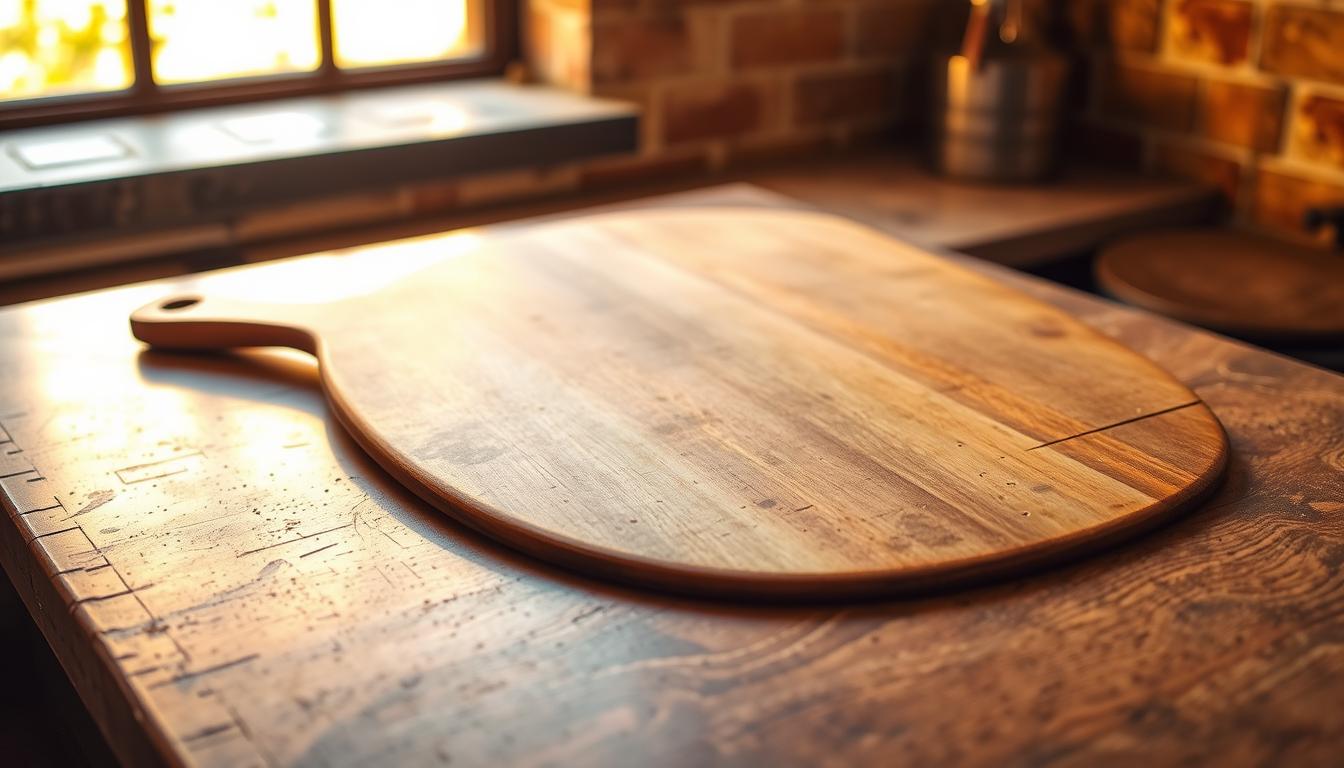
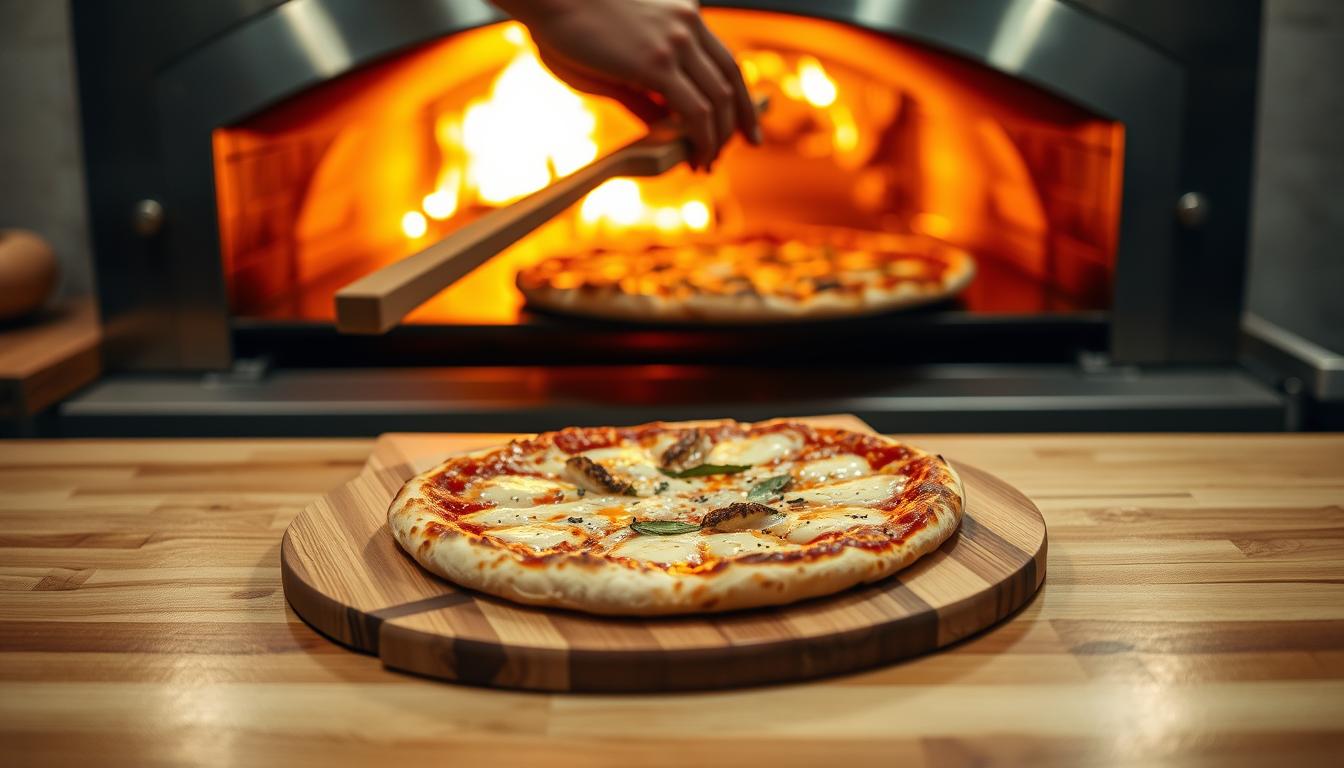
Why A Pizza Peel Is Essential For Safe And Even Pizza Oven Cooking becomes clear the moment you try moving a raw pizza into a 900-degree oven without one. This simple wooden or metal paddle transforms pizza making from a dangerous wrestling match into smooth, controlled cooking that delivers restaurant-quality results at home.
Beyond safety, a pizza peel ensures your dough maintains its shape and your toppings stay perfectly distributed. Professional pizzaiolos rely on these tools because they understand that proper pizza handling directly impacts texture, browning, and overall cooking performance.
TL;DR
- Pizza peels allow safe transfer of pizzas into ovens reaching 900°F without burns or accidents.
- Wooden peels work best for prep and launching while metal peels excel at rotating and retrieving pizzas.
- A 12-inch peel handles most home pizza sizes while 14-inch models accommodate larger pies.
- Proper dusting with semolina or flour prevents sticking and ensures smooth pizza release every time.
Why A Pizza Peel Is Essential For Safe And Even Pizza Oven Cooking
A pizza peel serves as your primary tool for managing pizzas in high-heat environments where direct hand contact would cause severe burns. The long handle keeps your hands and arms safely away from intense heat while the flat paddle surface supports the entire pizza during transfer.
The peel’s design enables precise placement inside the oven, ensuring your pizza cooks evenly without hot spots or uneven browning. Without this tool, you’d struggle to position pizzas properly or retrieve them without damaging the crust or burning yourself.
Safety Benefits That Matter Most
Pizza ovens operate at temperatures between 700-900°F, making direct handling impossible without serious injury risk. A pizza peel creates the necessary distance between you and these extreme temperatures while maintaining full control over your cooking process.
The extended handle design prevents accidental contact with hot oven walls or doors. Professional bakers use peels specifically because they eliminate the fumbling and rushing that leads to burns in high-heat cooking environments.
Key Safety Features
- Extended Handle – keeps hands 18-24 inches from heat sources.
- Stable Platform – prevents pizza dropping or sliding accidents.
- Controlled Movement – allows precise placement without reaching into oven.
- Quick Retrieval – enables fast removal when pizzas finish cooking.
How Peels Improve Cooking Performance
Even cooking depends on proper pizza placement within your oven’s heat zones. A peel lets you position pizzas exactly where they need to be for optimal browning and texture development.
The ability to rotate pizzas mid-cooking ensures all sections receive equal heat exposure. This rotation capability prevents the common problem of one side cooking faster than the other, especially in ovens with uneven heat distribution.
Performance Advantages
- Precise Positioning. Place pizzas in the optimal heat zone for your oven type and fuel source.
- Mid-Cook Adjustments. Rotate or reposition pizzas without removing them completely from the oven.
- Shape Preservation. Maintain dough integrity during transfers that would otherwise stretch or tear the crust.
- Topping Security. Keep ingredients properly distributed instead of sliding off during handling.
Wooden vs Metal Pizza Peels
Wooden peels excel at pizza preparation and initial launching because their porous surface naturally prevents sticking when properly floured. The wood’s texture creates just enough friction to control the pizza while still allowing smooth release into the oven.
Metal peels work better for retrieving finished pizzas and making quick adjustments during cooking. Their thin profile slides easily under crusts and their smooth surface facilitates rapid movement in tight oven spaces.
Material Comparison
- Wood Benefits – natural non-stick surface, gentle on delicate dough, stays cooler to touch.
- Wood Drawbacks – requires more maintenance, can absorb moisture and odors, thicker profile.
- Metal Benefits – easy to clean, ultra-thin edge, durable construction, heat resistant.
- Metal Drawbacks – pizza sticks more easily, conducts heat, requires careful handling technique.
Pro Dusting Technique
Use semolina flour or cornmeal instead of regular flour for dusting your peel. These coarser grains act like tiny ball bearings, creating a slippery surface that prevents sticking while adding subtle texture to your crust.
Choosing the Right Size
Peel size should match your typical pizza diameter plus 2-3 inches for safe handling margins. A 12-inch peel works perfectly for standard home pizzas while larger 14-16 inch models accommodate restaurant-style pies.
Consider your oven opening size when selecting peel dimensions. The peel needs to fit comfortably through the opening with enough clearance to maneuver without hitting the sides or top.
Essential Techniques for Success
Proper pizza preparation starts with generous dusting before placing your dough on the peel. Work quickly once the pizza is assembled because moisture from toppings will eventually cause sticking no matter how well you’ve prepared the surface.
Practice the launching motion with uncooked dough before attempting it with a fully topped pizza. The quick jerking motion that releases the pizza takes coordination that develops with repetition.
Step-by-Step Launch Technique
- Dust Generously. Cover the peel surface with semolina or flour before placing dough.
- Work Quickly. Add sauce and toppings rapidly to prevent moisture absorption.
- Test Movement. Gently shake the peel to ensure the pizza slides freely.
- Position Carefully. Aim for the center of your oven’s cooking surface.
- Launch Smoothly. Use a quick forward thrust followed by an immediate pullback to release the pizza.
Maintenance and Care
Wooden peels require gentle cleaning with warm water and mild soap, followed by thorough drying to prevent warping or cracking. Avoid soaking wood peels or putting them in dishwashers as moisture damage affects their performance and longevity.
Metal peels tolerate more aggressive cleaning but should be dried immediately to prevent rust formation. Regular seasoning with food-grade mineral oil keeps both wood and metal peels in optimal condition for years of reliable use.
Frequently Asked Questions
Can I use a cutting board instead of a pizza peel?
Cutting boards lack the thin edge and proper handle length needed for safe pizza transfer. They’re too thick to slide under pizzas and don’t provide adequate heat protection.
What size pizza peel do I need for a home oven?
A 12-inch peel handles most home pizza sizes perfectly. Choose 14-16 inch peels only if you regularly make larger pizzas or have a spacious oven opening.
Why does my pizza stick to the peel?
Insufficient dusting or working too slowly causes sticking. Use semolina flour generously and work quickly once toppings are added to prevent moisture absorption.
Do I need both wood and metal peels?
Many pizza makers find having both types useful – wood for launching and metal for retrieving. However, a single quality wooden peel can handle all pizza tasks effectively.
Final Thoughts
Why A Pizza Peel Is Essential For Safe And Even Pizza Oven Cooking becomes obvious once you experience the control and safety it provides. This simple tool transforms home pizza making from a dangerous guessing game into precise, professional cooking that delivers consistent results.
Start with a quality wooden peel and master the basic techniques. Your pizzas will cook more evenly, your kitchen stays safer, and your confidence grows with every successful launch.


Ryan Conlon is a BBQ enthusiast and inspired chef on a journey through the smoky, savory world of outdoor cooking. Hailing from the heart of the Midwest, Ryan’s passion for grilling ignited during his early years, where family gatherings often revolved around the sizzle of the grill and the aroma of seasoned meats.