
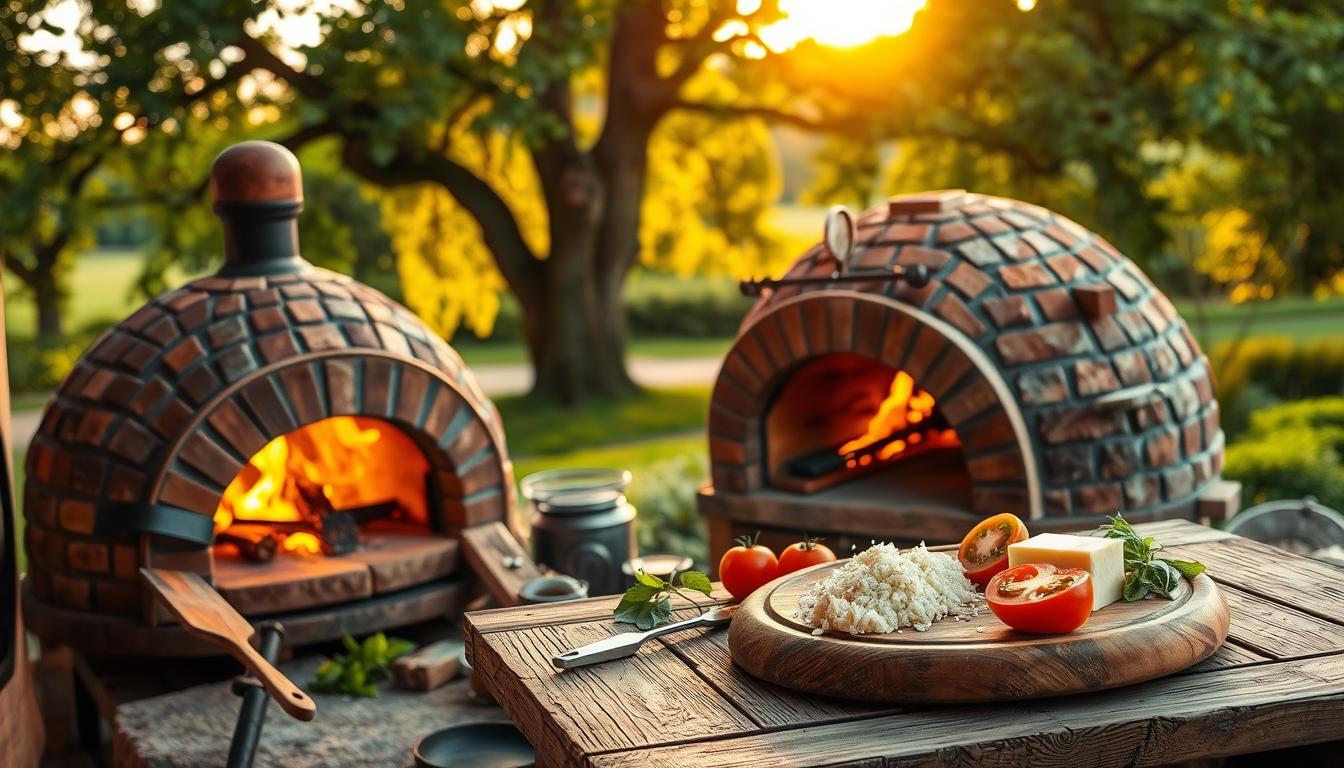
Wood Fired Pizza Oven Setup and Safety Guide starts with understanding that proper installation and safety protocols are essential for enjoying authentic wood-fired cooking at home. Whether you’ve invested in a permanent brick oven or a portable unit, following the right setup procedures protects your family and property while delivering amazing results.
Getting your wood-fired oven ready involves more than just finding a good spot in your backyard. The placement, ventilation, fuel preparation, and safety measures all work together to create a cooking environment that’s both safe and productive.
TL;DR
- Place your oven at least 10 feet from structures and 3 feet from property lines to meet fire safety codes.
- Cure your oven with 5-7 small fires over 2 weeks before cooking to prevent cracking from thermal shock.
- Keep a class A fire extinguisher and water source within 25 feet of your oven at all times.
- Use only seasoned hardwood with 20% or less moisture content to avoid excessive smoke and poor heat.
Wood Fired Pizza Oven Setup and Safety Guide
Setting up a wood-fired pizza oven requires careful planning and attention to local building codes. Most municipalities require permits for permanent installations and have specific requirements for clearances from structures and property lines.
Start by checking with your local building department about permit requirements and fire safety regulations. Many areas require professional installation for permanent ovens, especially those connected to gas lines or requiring electrical work for lighting.
Location and Clearance Requirements
Choose a level location that provides adequate clearance from combustible materials. Your oven needs proper spacing to operate safely and meet local fire codes.
- Structure clearance – Maintain at least 10 feet from your home, garage, or other buildings.
- Property line distance – Keep the oven at least 3 feet from neighboring properties.
- Overhead clearance – Ensure 8 feet of clear space above the oven and chimney area.
- Wind patterns – Consider prevailing winds to direct smoke away from your home and neighbors.
Foundation and Base Preparation
A solid foundation prevents settling and cracking that can compromise your oven’s performance and safety. The base must support the oven’s weight while providing proper insulation from the ground.
Pour a concrete pad at least 4 inches thick with steel reinforcement for permanent installations. The pad should extend 6 inches beyond the oven footprint on all sides for stability and safety.
Oven Curing Process
New wood-fired ovens require a curing process to remove moisture from masonry materials and prevent thermal shock cracking. Rushing this process can damage your oven beyond repair.
Plan for a 2-week curing period with progressively hotter fires. This gradual heating allows moisture to escape slowly without creating damaging steam pressure inside the oven walls.
Week One Curing Schedule
- Days 1-3. Build small fires using kindling and thin wood pieces, maintaining temperatures around 200-250°F for 2-3 hours daily.
- Days 4-5. Increase fire size slightly, reaching 300-350°F for 3-4 hours while monitoring for any visible steam or moisture.
- Days 6-7. Build moderate fires reaching 400-450°F for 4-5 hours, using slightly larger wood pieces.
Week Two Curing Schedule
- Days 8-10. Increase temperatures to 500-550°F for 5-6 hours, using standard cooking-size wood pieces.
- Days 11-14. Build full fires reaching 650-700°F for 6+ hours, preparing the oven for regular cooking use.
Wood Selection and Preparation
The right wood fuel makes the difference between safe, efficient cooking and a smoky, dangerous situation. Understanding wood selection helps you maintain proper temperatures while minimizing safety risks.
Use only seasoned hardwoods with moisture content below 20% for clean burning and optimal heat production. Avoid softwoods like pine or cedar that create excessive smoke and leave resin deposits.
Best Wood Types for Pizza Ovens
- Oak – Burns hot and long with minimal smoke, perfect for maintaining cooking temperatures.
- Maple – Clean burning with good heat output, readily available in most regions.
- Apple or cherry – Adds mild flavor while burning cleanly, great for finishing touches.
- Ash – Burns very hot with little smoke, excellent for reaching initial firing temperatures.
Wood Storage Tip
Store wood in a covered area with good air circulation at least 6 months before use. Well-seasoned wood sounds hollow when knocked together and has visible cracks in the ends.
Fire Starting and Management
Starting your first fire requires patience and the right technique to build heat gradually without overwhelming the oven. Proper fire management ensures even cooking temperatures and reduces safety risks.
Begin with small kindling in the center of the oven floor, building up to larger pieces as the fire establishes. This central placement allows heat to radiate evenly throughout the cooking chamber.
Step-by-Step Fire Starting
- Prepare kindling. Gather dry newspaper, small twigs, and pencil-thick dry wood pieces for initial ignition.
- Build base fire. Create a small fire in the oven center using kindling and gradually add finger-thick pieces.
- Add medium wood. Once flames are established, add wrist-thick pieces to build heat and create coals.
- Scale up gradually. Progress to full-size split wood only after the oven reaches 400°F consistently.
Essential Safety Equipment
Having the right safety equipment within reach prevents small problems from becoming dangerous situations. Your best outdoor pizza ovens deserve proper safety preparation to protect your investment and your family.
Keep safety equipment in a designated area near your oven where it’s easily accessible but protected from heat and sparks. Regular equipment checks ensure everything works when you need it most.
Required Safety Equipment
- Class A fire extinguisher – Rated for wood and paper fires, inspected annually.
- Garden hose or water source – Connected and ready with at least 25 feet of reach.
- Long-handled tools – Pizza peels, rakes, and brushes designed for high-heat use.
- Heat-resistant gloves – Leather or specialized high-temperature gloves for handling tools and wood.
- First aid kit – Include burn gel and sterile bandages for treating minor burns.
Operational Safety Practices
Safe operation habits prevent accidents and ensure consistent cooking results. These practices become second nature with regular use but require conscious attention when starting out.
Never leave your oven unattended while firing or cooking, and establish clear zones around the oven where children and pets shouldn’t enter. Communication with family members about oven operation helps everyone stay safe.
During Operation Safety Rules
- Maintain clear zones – Keep a 6-foot radius clear of people and combustible materials.
- Monitor constantly – Never leave an active fire unattended, even for short periods.
- Control sparks – Use a spark arrestor on the chimney and have tools ready to manage flying embers.
- Proper clothing – Wear natural fiber clothing and closed-toe shoes, avoid synthetic materials that melt.
Shutdown and Cool-Down Procedures
Proper shutdown procedures prevent accidents during the cool-down period when the oven remains dangerously hot for hours. Following these steps protects your property and prepares the oven for the next use.
Plan for a 12-24 hour cool-down period depending on your oven’s thermal mass and ambient temperature. The oven remains hot enough to cause burns even when it appears cold from the outside.
Safe Shutdown Steps
- Stop adding fuel. Allow existing wood to burn completely to coals, then spread coals evenly across the floor.
- Monitor temperature. Use an infrared thermometer to track cooling progress from a safe distance.
- Secure the area. Close oven doors if equipped, and ensure the area remains off-limits during cool-down.
- Final inspection. Check for remaining hot spots before considering the oven fully cooled and safe.
Articles You May Like
Frequently Asked Questions
How long does it take to properly cure a new wood-fired pizza oven?
A proper curing process takes 2 weeks with daily fires of increasing intensity. Rushing this process can cause irreparable cracking from thermal shock.
What type of fire extinguisher should I keep near my pizza oven?
Use a Class A fire extinguisher rated for wood and paper fires. Keep it within 25 feet of the oven and have it professionally inspected annually.
Can I use any type of wood in my pizza oven?
Only use seasoned hardwoods with less than 20% moisture content. Avoid softwoods like pine or treated lumber that create toxic smoke and excessive creosote.
How far should my pizza oven be from my house?
Most building codes require at least 10 feet clearance from structures and 3 feet from property lines. Check with your local building department for specific requirements.
Do I need a permit to install a wood-fired pizza oven?
Permanent installations typically require building permits and must meet local fire safety codes. Portable units may have fewer requirements but should still follow safety guidelines.
Final Thoughts
Wood Fired Pizza Oven Setup and Safety Guide principles ensure years of safe cooking enjoyment when followed consistently. Taking time for proper installation, curing, and safety preparation protects your investment and creates memorable cooking experiences.
Start with these fundamentals and build your confidence through careful practice and attention to safety protocols.



Ryan Conlon is a BBQ enthusiast and inspired chef on a journey through the smoky, savory world of outdoor cooking. Hailing from the heart of the Midwest, Ryan’s passion for grilling ignited during his early years, where family gatherings often revolved around the sizzle of the grill and the aroma of seasoned meats.